With more than 10‑year industry experience, Shandong Headpowder delivers full‑service pneumatic‑conveying systems and blowers, undertaking nationwide turn‑key powder‑handling projects.
Understanding synthetic fiber material handling is crucial for industries that rely on efficient and reliable transportation of these lightweight, strong materials. This article explores the fundamental aspects of synthetic fiber material handling systems and the key design principles that ensure optimal performance.
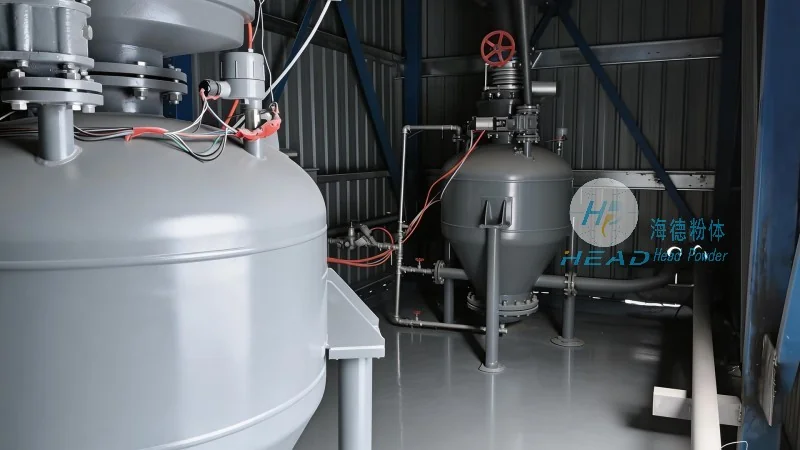
Synthetic fibers, such as polyester, nylon, and polypropylene, are widely used in various applications due to their durability, flexibility, and cost-effectiveness. Material handling systems for these fibers must address unique challenges like dust generation, static electricity, and the need for gentle handling to prevent damage. The design of these systems is tailored to the specific properties of the fibers and the operational requirements of the end-user.
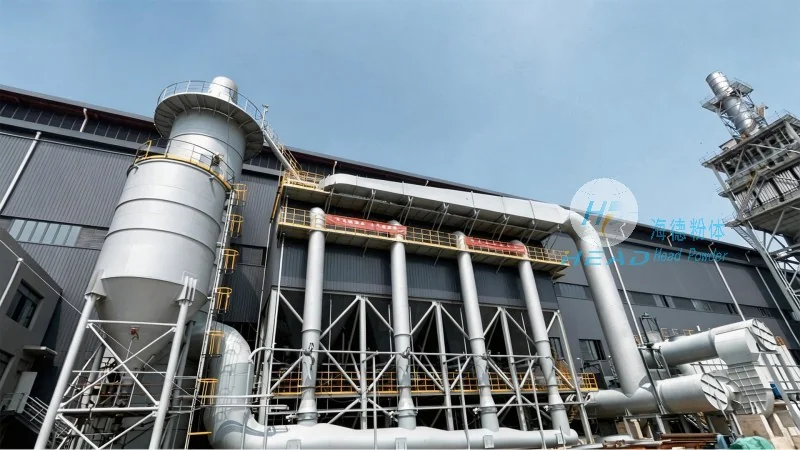
The design of synthetic fiber material handling systems is guided by several critical principles to ensure safety, efficiency, and product integrity. First, the system must be designed to minimize dust and particulate matter, as synthetic fibers can create fine powders that are hazardous if inhaled or if they accumulate in the environment. This often involves the use of enclosed conveying systems, filtration, and proper ventilation. Second, static electricity control is paramount. Synthetic fibers are prone to generating static charges, which can cause material buildup, sparks, or even fires in certain environments. Anti-static materials, grounding systems, and ionizing equipment are commonly integrated into the design to mitigate these risks. Third, the system must provide gentle handling to avoid fiber breakage or entanglement. This is achieved through the use of smooth, non-abrasive surfaces, low-velocity conveying, and appropriate belt or conveyor designs that prevent friction-induced damage. Finally, the design must prioritize energy efficiency and operational flexibility. Modern systems often incorporate variable speed drives, automated controls, and modular components that allow for easy integration with existing production lines and future expansion.
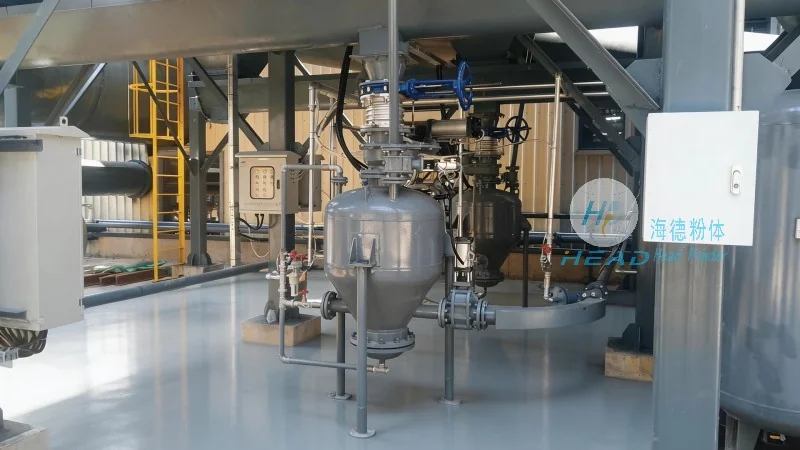
Effective synthetic fiber material handling relies on a combination of specialized components and advanced technologies. Conveying systems, such as belt conveyors, screw conveyors, and pneumatic conveying lines, are commonly used to transport fibers from storage to processing areas. These systems are often equipped with features like dust collection hoods, air filtration units, and anti-static coatings to address the unique challenges of synthetic fibers. In addition, material feeders and distributors are used to evenly distribute fibers into the conveying system, ensuring consistent flow and preventing blockages. The use of sensors and automation technology is also critical for monitoring system performance, detecting faults, and adjusting operations in real-time. This helps maintain optimal throughput and reduces downtime, contributing to overall operational efficiency.
Synthetic fiber material handling systems are essential in a variety of industries, including textiles, automotive, construction, and packaging. In the textile industry, these systems are used to transport raw fibers to spinning and weaving machines, where they are processed into yarns and fabrics. The automotive industry relies on synthetic fibers for interior components like seat fabrics and carpets, requiring efficient handling to ensure consistent quality. In construction, synthetic fibers are used in reinforcement materials and insulation products, necessitating reliable material transport to construction sites. The packaging industry also benefits from synthetic fiber handling systems, as these fibers are used in non-woven fabrics and other packaging materials. Each industry has specific requirements, but the underlying design principles remain consistent, focusing on safety, efficiency, and product integrity.
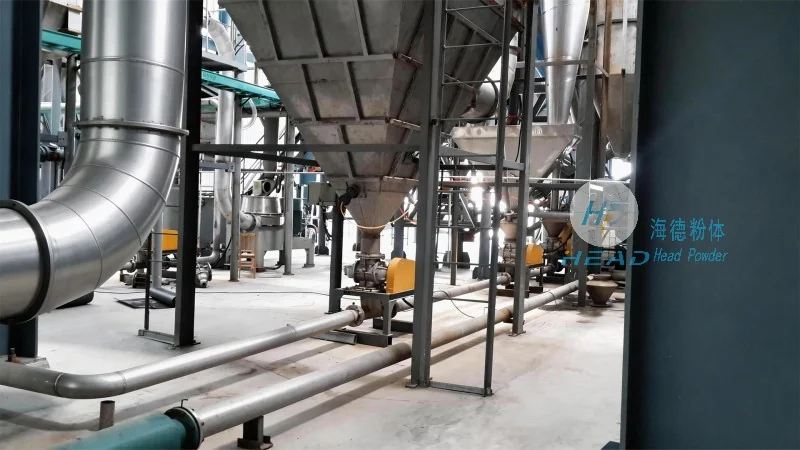
Designing effective synthetic fiber material handling systems requires a deep understanding of both the material properties and the operational needs of the end-user. The key design principles—dust control, static electricity management, gentle handling, and energy efficiency—form the foundation of reliable systems. Shandong HeadPowder Engineering Co., Ltd., a leading provider in this field, leverages advanced technologies and industry expertise to develop customized solutions that meet the unique challenges of synthetic fiber handling. With a focus on safety, efficiency, and innovation, HeadPowder plays a vital role in supporting industries that rely on synthetic fibers for their products. By adhering to these design principles and utilizing specialized components, synthetic fiber material handling systems can achieve optimal performance, ensuring the smooth and safe transport of these essential materials.

 Shandong Headpowder Engineering Co., Ltd.
 156-6277-7102(Manager Zhang)
  0531-83386006
  Zhangqiu District, Jinan City, Shandong Province, China
telephone
WeChatconsult
top