With more than 10‑year industry experience, Shandong Headpowder delivers full‑service pneumatic‑conveying systems and blowers, undertaking nationwide turn‑key powder‑handling projects.
Iron oxide, a critical industrial material, is commonly transported via pneumatic conveying systems. These systems provide efficient and reliable methods for moving iron oxide powders between locations. Understanding the operation process and working principle of such systems is essential for appreciating their functionality and effectiveness in industrial applications.
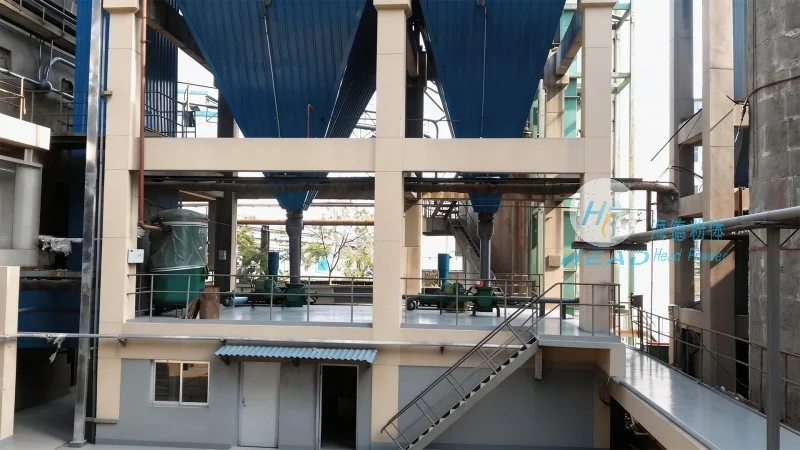
The iron oxide pneumatic conveying system is engineered to transport iron oxide powders through a combination of air flow and pressure differentials. This system typically comprises key components including a hopper for material storage, a conveyor line, a blower or compressor to generate airflow, and a receiver for material delivery. The system is designed to ensure safe and efficient movement of iron oxide, which is vital for various industrial processes.
Each component of the iron oxide pneumatic conveying system plays a crucial role in the overall operation. The hopper serves as the initial storage container, holding iron oxide until transport is initiated. The conveyor line, often constructed from metal or flexible tubing, transports the material through the system. The blower or compressor generates the necessary air pressure to move the material along the conveyor line. Finally, the receiver collects the iron oxide as it is discharged, completing the transportation cycle. Proper integration of these components ensures smooth and continuous operation.
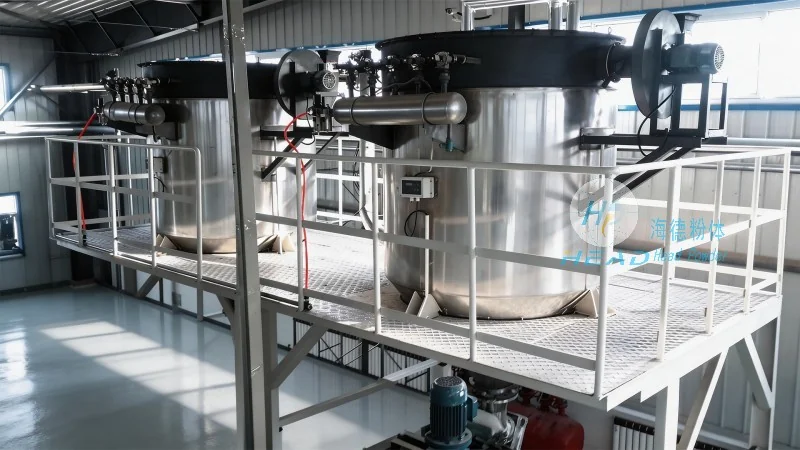
The operation process of the iron oxide pneumatic conveying system begins with loading iron oxide into the hopper. Once the hopper is filled, the system activates the blower or compressor, which generates a high-pressure air stream. This air stream creates a pressure differential that pulls the iron oxide particles from the hopper into the conveyor line. As the air flows through the line, it carries the iron oxide particles along, ensuring they are transported to the receiver. The system maintains consistent airflow to prevent material buildup or blockages, which could disrupt the process. The receiver then collects the iron oxide as it is discharged, completing the cycle.
The working principle of the iron oxide pneumatic conveying system is based on fluidization and air movement. The system uses compressed air to transport solid particles like iron oxide. The air flow is directed through the conveyor line, and as it passes through the material in the hopper, it lifts and carries the particles. The velocity of the air is critical; it must be sufficient to overcome gravitational forces and friction within the system. The system is designed to maintain optimal air velocity to ensure efficient transport without excessive wear or energy consumption.
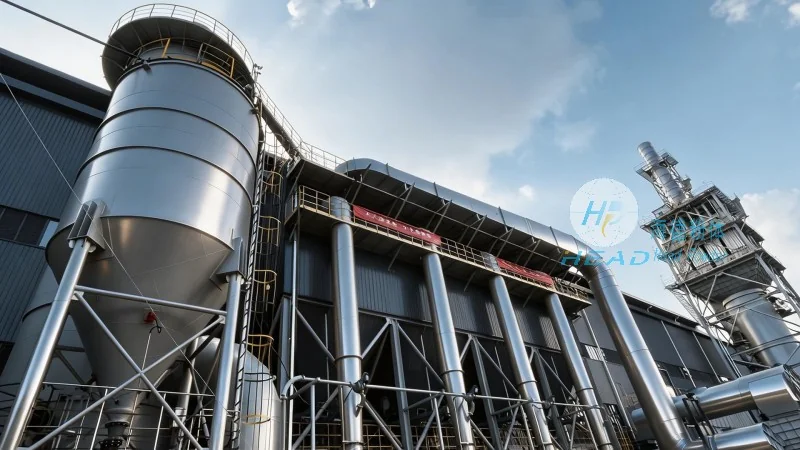
The iron oxide pneumatic conveying system offers advantages over traditional transport methods such as bucket elevators or belt conveyors. These systems are particularly effective for handling iron oxide powders, which can be dusty and require careful handling to prevent contamination or environmental issues. The pneumatic system provides a closed-loop operation, reducing dust emissions and enhancing workplace safety. Additionally, it allows for flexible and scalable transport solutions, making it suitable for various industrial applications including manufacturing, processing, and distribution of iron oxide products.
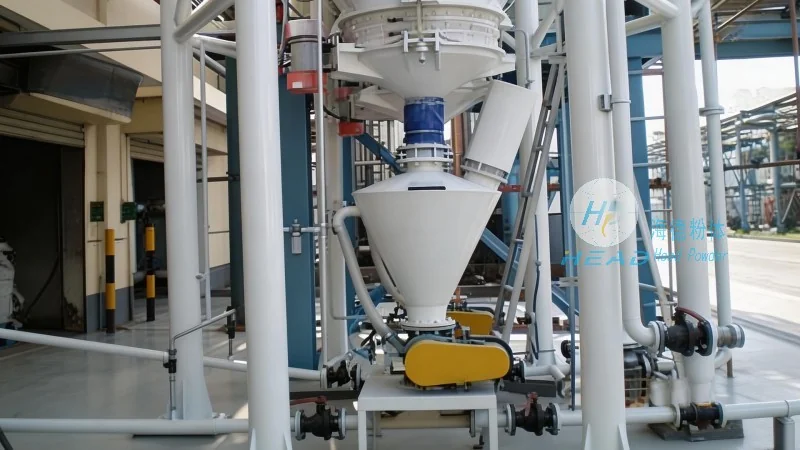
Proper maintenance is essential to ensure the efficient and long-term operation of the iron oxide pneumatic conveying system. Regular checks of the blower or compressor, air filters, and conveyor line are necessary to prevent issues like air leaks or material blockages. Cleaning the system, especially the hopper and receiver, is important to remove accumulated iron oxide and prevent clogging. The system should also be monitored for air pressure and flow rates to ensure optimal performance. By following proper maintenance procedures, the system can operate reliably and efficiently, minimizing downtime and maximizing productivity.
In conclusion, the iron oxide pneumatic conveying system is a sophisticated and effective method for transporting iron oxide powders. Its operation process, which involves loading, air compression, material transport, and collection, is designed to ensure efficient and safe movement of the material. The working principle, based on air flow and pressure differentials, allows for reliable performance in industrial settings. With proper maintenance and operational considerations, this system can provide consistent and high-quality transport of iron oxide, supporting various industrial applications and processes.

 Shandong Headpowder Engineering Co., Ltd.
 156-6277-7102(Manager Zhang)
  0531-83386006
  Zhangqiu District, Jinan City, Shandong Province, China
telephone
WeChatconsult
top