

What is the Handling of Moist Sodium Nitrate? Exploring Design Principles
Moist sodium nitrate is a critical chemical compound widely used in various industrial applications, including fertilizer production, food preservation, and chemical synthesis. The efficient and safe handling of this material is essential to ensure operational efficiency and compliance with safety standards. This article delves into the complexities of moist sodium nitrate material handling, focusing on the underlying design principles that govern the selection and implementation of appropriate systems.
Understanding Moist Sodium Nitrate: Properties and Handling Challenges
Before exploring the design principles of material handling systems for moist sodium nitrate, it is crucial to understand the inherent properties of this compound. Sodium nitrate, with the chemical formula NaNO₃, is hygroscopic, meaning it readily absorbs moisture from the air. This characteristic makes it prone to clumping and caking, which can significantly impede the flow and transport of the material. Additionally, moist sodium nitrate may have varying moisture content levels, depending on the production process and storage conditions. These variations necessitate flexible and adaptable handling solutions that can accommodate different material states.
The Importance of Tailored Material Handling Solutions
Due to the unique challenges posed by moist sodium nitrate, a one-size-fits-all approach to material handling is often insufficient. The design of an effective system must consider several key factors, including the material's physical characteristics, the required throughput, the operational environment, and safety regulations. A well-designed handling system not only improves productivity but also minimizes the risk of accidents, such as blockages, equipment damage, or environmental contamination. For industries relying on consistent and reliable supply chains, investing in a tailored material handling solution is a strategic necessity.
Design Principles for Moist Sodium Nitrate Material Handling
The core of any effective moist sodium nitrate handling system lies in its design principles, which guide the selection of equipment, layout, and operational protocols. Key design considerations include:
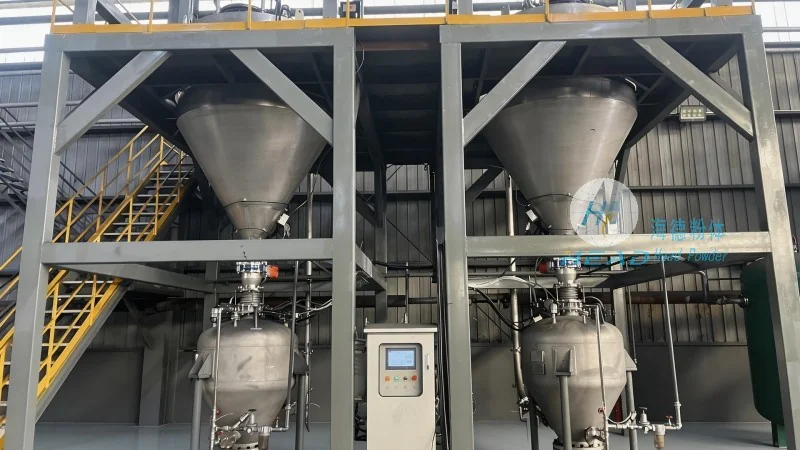
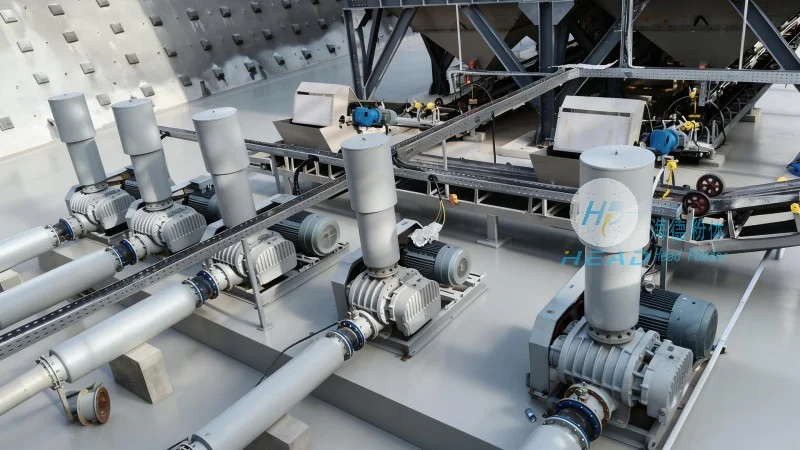
1. **Equipment Selection**: Choosing the right equipment is paramount. For moist sodium nitrate, equipment that can handle sticky or caking materials is essential. Options may include screw conveyors, belt conveyors, or pneumatic conveying systems, each with its own advantages and limitations. Screw conveyors, for instance, are effective for vertical or inclined transport and can maintain a consistent flow, while belt conveyors are suitable for horizontal or long-distance transport. Pneumatic conveying systems are ideal for dust-free handling but require careful consideration of pressure and air flow rates.
2. **System Layout and Flow**: The layout of the handling system should be designed to minimize material contact with surfaces, reducing the risk of caking and contamination. Properly sized hoppers and chutes are critical to ensure smooth material flow and prevent blockages. The system should also incorporate features like vibration or agitators to break up clumps and maintain material mobility.
3. **Safety and Environmental Considerations**: Moist sodium nitrate handling systems must adhere to strict safety and environmental regulations. This includes proper ventilation to control dust, grounding to prevent static electricity buildup, and containment measures to prevent spills or leaks. The design should also account for the potential for material degradation or reaction under certain conditions, ensuring that the system is robust and reliable.
Case Study: Implementing a Moist Sodium Nitrate Handling System by Shandong HeadPowder Engineering Co., Ltd.
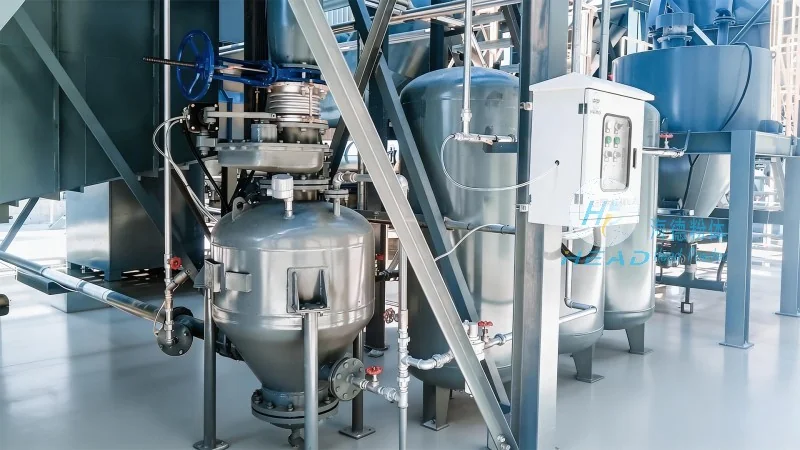
Shandong HeadPowder Engineering Co., Ltd., a leading provider of material handling solutions, has extensive experience in designing and implementing systems for moist sodium nitrate. The company’s approach emphasizes a comprehensive understanding of the material's properties and the specific needs of the client. By working closely with clients, HeadPowder engineers develop customized solutions that address unique challenges, such as varying moisture content or space constraints.
For example, a recent project involved designing a screw conveyor system for a fertilizer plant in China. The system was tailored to handle moist sodium nitrate with a moisture content of up to 10%, ensuring efficient transport from storage silos to processing units. The design incorporated vibration mechanisms to prevent caking and included dust collection systems to maintain a safe working environment. The successful implementation of this system resulted in improved throughput, reduced downtime, and enhanced safety for the plant operators.
Conclusion: The Role of Expertise in Moist Sodium Nitrate Material Handling
Efficient handling of moist sodium nitrate requires a deep understanding of the material's properties and the application of sound design principles. By selecting appropriate equipment, optimizing system layout, and prioritizing safety and environmental considerations, industries can achieve reliable and cost-effective material transport. Shandong HeadPowder Engineering Co., Ltd. exemplifies the importance of expertise in this field, providing tailored solutions that meet the specific needs of clients while adhering to industry standards.