With more than 10‑year industry experience, Shandong Headpowder delivers full‑service pneumatic‑conveying systems and blowers, undertaking nationwide turn‑key powder‑handling projects.
Flower bio-material conveying systems are specialized equipment designed to efficiently transport biological materials, such as flower petals, seeds, or other organic components, within industrial or agricultural processing environments. These systems are crucial for optimizing workflow in applications like flower processing, biofuel production, or organic waste management. The design of such systems is tailored to handle delicate or sensitive materials while ensuring minimal damage and maintaining product integrity throughout the conveying process.
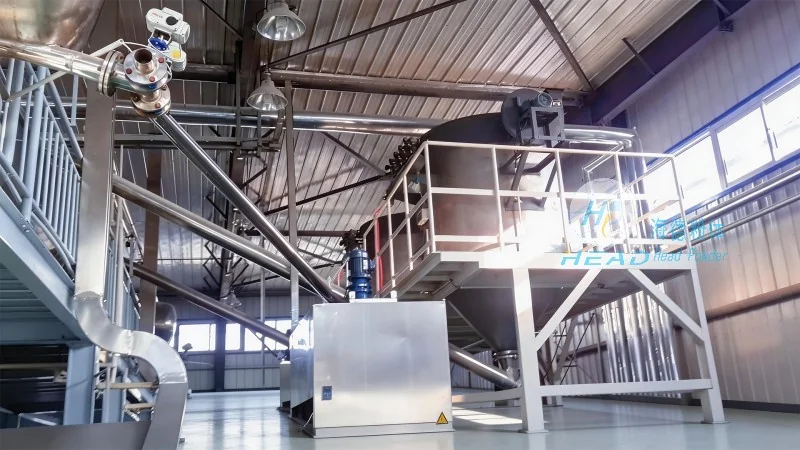
The core components of a flower bio-material conveying system typically include a feeding mechanism, a conveying path (often with adjustable speed and direction), a material handling unit (like a conveyor belt or screw conveyor), and a control system. The design principles focus on gentleness, efficiency, and adaptability to the specific characteristics of the flower bio-materials being processed. For instance, the feeding mechanism may use soft rollers or gentle paddles to avoid bruising or crushing the petals, while the conveying path is often inclined at a moderate angle to facilitate smooth movement without excessive force. The material handling unit, such as a flexible conveyor belt or a slow-moving screw, ensures that the materials are moved steadily and without causing breakage. The control system allows operators to adjust parameters like speed, direction, and pressure, ensuring optimal performance based on the type and quantity of materials being processed.
The operation of a flower bio-material conveying system generally follows a sequential process. First, the flower bio-materials are fed into the system through the feeding mechanism. The materials then enter the conveying path, where they are transported to the next processing stage. The control system monitors the flow and adjusts the conveying speed as needed to maintain a consistent throughput. The system is designed to minimize friction and impact, which are critical factors in preserving the quality of the flower bio-materials. For example, in systems handling delicate flower petals, the conveyor belt may be made of a soft, non-abrasive material to prevent scratches or tears. The entire process is automated to some extent, with sensors and feedback mechanisms ensuring that the system operates smoothly and efficiently. This design approach not only enhances the quality of the output but also reduces the risk of material loss or degradation.
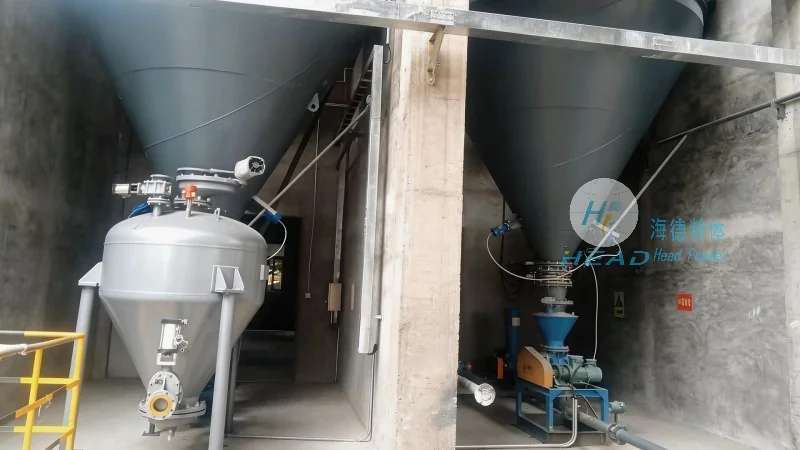
Flower bio-material conveying systems are widely used in various industries, including flower processing, biofuel production, and organic waste recycling. In flower processing, these systems are essential for moving petals from harvesting to further processing stages, such as drying or extraction. In biofuel production, they help transport flower biomass to processing units where it can be converted into biofuels like ethanol or biodiesel. The benefits of using such systems include improved efficiency, reduced labor costs, and enhanced product quality. By minimizing damage to the flower bio-materials, the systems ensure that the final products retain their nutritional value or aesthetic properties, depending on the application. Additionally, the automated nature of these systems reduces the risk of human error and improves safety in the workplace.
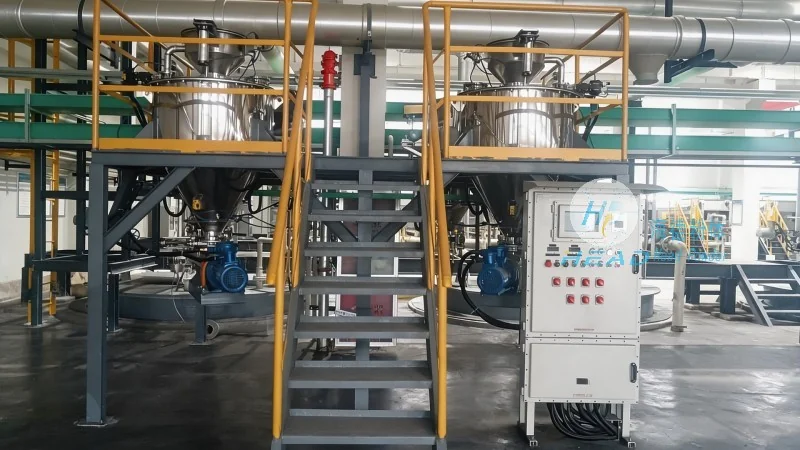
One of the key advantages of modern flower bio-material conveying systems is their adaptability to different types of flower bio-materials and processing requirements. Manufacturers, such as Shandong HeadPowder Engineering Co., Ltd., based in China, offer customized solutions tailored to the specific needs of clients. These systems can be modified to handle different sizes, shapes, and textures of flower bio-materials, ensuring that they are suitable for a wide range of applications. For example, a system designed for processing large flower petals may use a wider conveyor belt with a gentler slope, while a system for smaller seeds might use a more compact design with higher precision controls. The adaptability of these systems also allows them to integrate with other processing equipment, creating a seamless workflow from material intake to final product output. This flexibility is crucial for businesses that deal with diverse flower bio-materials or have varying production demands.
Proper maintenance is essential to ensure the longevity and optimal performance of a flower bio-material conveying system. Regular cleaning and inspection of the components, such as the conveyor belt and feeding mechanism, help prevent clogging and damage. The control system should be checked periodically to ensure that all sensors and feedback mechanisms are functioning correctly. Manufacturers like Shandong HeadPowder Engineering Co., Ltd., provide maintenance services and spare parts to support their clients. By following recommended maintenance schedules, users can extend the lifespan of the system and minimize downtime. This is particularly important in industries where continuous operation is critical, as any interruption in the conveying process can impact production schedules and output quality. The robust design of these systems, combined with proper maintenance, ensures that they remain reliable and efficient over time.

 Shandong Headpowder Engineering Co., Ltd.
 156-6277-7102(Manager Zhang)
  0531-83386006
  Zhangqiu District, Jinan City, Shandong Province, China
telephone
WeChatconsult
top