

Types, Features, and Applications of Polyolefin Pneumatic Conveying Systems
For industries dealing with polyolefin materials, efficient material handling is crucial for maintaining production efficiency and product quality. Pneumatic conveying systems offer a reliable solution for transporting polyolefin powders and granules, and understanding the different types, key features, and application ranges is essential for selecting the right system for specific operational needs.
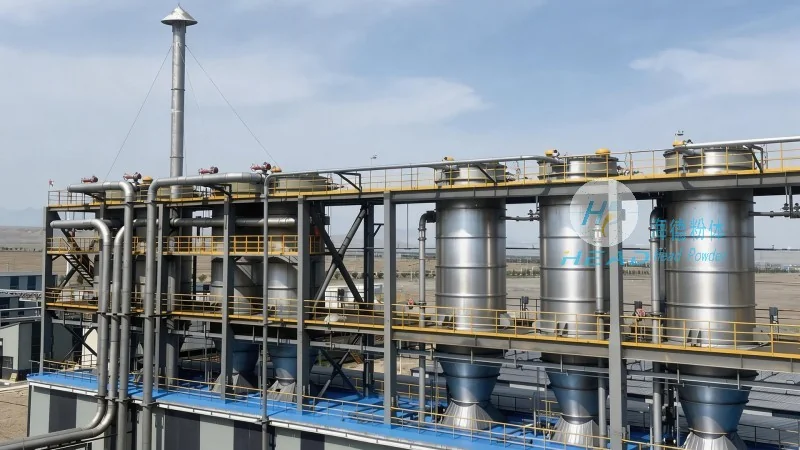
Overview of Polyolefin Pneumatic Conveying Systems
Polyolefin pneumatic conveying systems are designed to transport polyolefin materials such as polyethylene (PE), polypropylene (PP), and other related polymers in powder or granular form. These systems utilize air or gas to move the material through a pipeline network, eliminating the need for mechanical components like belts or buckets that may cause contamination or material degradation. The choice of system type depends on factors including material properties, process requirements, and operational environment.
Types of Polyolefin Pneumatic Conveying Systems
There are primarily two main categories of pneumatic conveying systems used for polyolefin materials: pressure and vacuum systems. Each type has distinct characteristics and is suitable for different applications.
Pressure Conveying Systems
Pressure conveying systems operate by blowing air or gas under pressure into the material hopper, forcing the polyolefin material through the pipeline. This method is particularly effective for transporting materials over longer distances or when dealing with high-volume production. The system typically includes a positive displacement blower or compressor, a hopper for material storage, and a series of pipelines with appropriate valves and filters. The pressure system ensures consistent material flow and can handle a wide range of material densities and particle sizes, making it suitable for both bulk and fine polyolefin powders.
Vacuum Conveying Systems
Vacuum conveying systems, on the other hand, create a negative pressure in the pipeline to draw the polyolefin material from the source into the system. This method is ideal for applications where the material needs to be collected from multiple points or transported over shorter distances. The vacuum system often uses a rotary lobe or roots blower to generate the suction, and it may include a collection hopper and a filter to prevent dust from escaping. Vacuum conveying is particularly effective for handling fine powders that are prone to clogging or for applications requiring gentle material handling to avoid degradation.
Key Features of Polyolefin Pneumatic Conveying Systems
Regardless of the system type, polyolefin pneumatic conveying systems share several key features that contribute to their effectiveness and reliability. These features are tailored to meet the specific demands of polyolefin materials, ensuring optimal performance and minimal downtime.
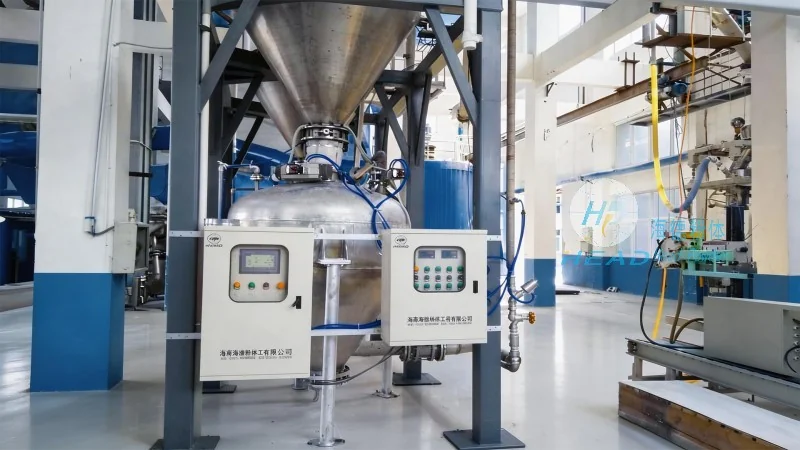
Material Compatibility
One of the most critical features is the system's ability to handle polyolefin materials without causing contamination or degradation. This is achieved through the use of materials such as stainless steel, food-grade plastics, or specialized coatings that resist chemical reactions with the polyolefin polymers. The system components are designed to prevent the buildup of static electricity, which can be a concern with polyolefin powders, as static can lead to material bridging or clogging. Additionally, the system includes filtration and cleaning mechanisms to maintain material purity and prevent the accumulation of fines that could affect downstream processes.
Efficient Material Handling
Efficient material handling is another key feature, as polyolefin systems must manage the flow of materials with precision. The use of variable speed drives and adjustable air flow controls allows operators to regulate the conveying rate based on production demands. This flexibility ensures that the system can handle fluctuations in material volume without compromising performance. The system also includes safety features such as pressure relief valves and overcurrent protection to prevent equipment damage and ensure operational safety.
Low Maintenance Requirements
Polyolefin pneumatic conveying systems are designed for low maintenance, which is essential for maintaining production efficiency. The use of robust components, such as high-quality blowers and durable pipelines, reduces the need for frequent repairs. Additionally, the system includes self-cleaning mechanisms, such as rotary valves and filter cleaning systems, that minimize downtime and extend the lifespan of the equipment. This low maintenance feature is particularly valuable for continuous production environments where downtime can result in significant financial losses.
Application Ranges of Polyolefin Pneumatic Conveying Systems
Polyolefin pneumatic conveying systems are widely used across various industries due to their versatility and efficiency. The application ranges vary based on the system type and the specific requirements of the process.
Plastic Manufacturing and Processing
In the plastic manufacturing industry, polyolefin pneumatic conveying systems are used to transport raw materials from storage silos to processing equipment such as extruders and pelletizers. This ensures a continuous and consistent supply of material, which is critical for maintaining production rates and product quality. The systems are also used in downstream processes such as blending, compounding, and color mixing, where precise material control is essential.
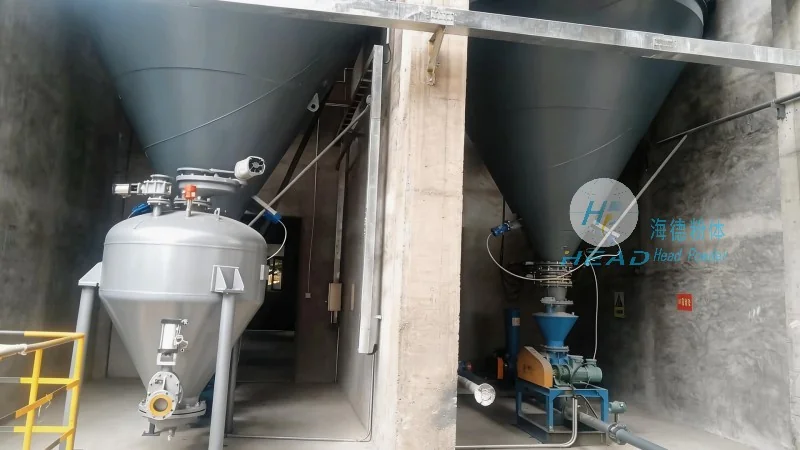
Food and Beverage Industry
The food and beverage industry utilizes polyolefin pneumatic conveying systems for handling food-grade polyolefin powders and granules. These systems are designed to meet stringent hygiene standards, with components made from food-grade materials and easy-to-clean surfaces. The vacuum conveying systems are particularly popular in this industry due to their gentle material handling, which prevents product degradation and maintains the integrity of the food material. The systems are used for transporting ingredients such as polyolefin-based food additives, packaging materials, and other food-related products.
Pharmaceutical Industry
In the pharmaceutical industry, polyolefin pneumatic conveying systems are used to transport pharmaceutical-grade polyolefin materials, such as those used in drug delivery systems or packaging. The systems are designed to meet the strict regulatory requirements of the pharmaceutical industry, including GMP (Good Manufacturing Practice) compliance. The pressure conveying systems are often preferred in this industry due to their ability to handle high-volume production and maintain consistent material flow. The systems include features such as closed-loop operation and sterile filtration to ensure that the polyolefin materials are handled in a clean and controlled environment.
Chemical Industry
The chemical industry uses polyolefin pneumatic conveying systems for transporting various polyolefin-based chemicals and additives. These systems are designed to handle materials with varying properties, including those that are abrasive or corrosive. The pressure and vacuum systems are both used in this industry, depending on the specific material and process requirements. The systems include features such as temperature control and material drying to ensure that the polyolefin materials are handled under optimal conditions.
Conclusion
Polyolefin pneumatic conveying systems offer a reliable and efficient solution for handling polyolefin materials in various industries. The different types of systems, including pressure and vacuum, provide flexibility to meet the specific needs of different applications. The key features of these systems, such as material compatibility, efficient handling, and low maintenance, contribute to their effectiveness and reliability. By understanding the types, features, and application ranges of polyolefin pneumatic conveying systems, industries can select the right system to optimize their production processes and maintain product quality.
Shandong HeadPowder Engineering Co., Ltd., a leading provider of material handling solutions, specializes in designing and manufacturing polyolefin pneumatic conveying systems tailored to the unique requirements of various industries. With a focus on quality, efficiency, and customer satisfaction, the company has established itself as a trusted partner for businesses seeking reliable material handling solutions. Based in Shandong, China, HeadPowder Engineering Co., Ltd. leverages advanced technology and expertise to deliver innovative solutions that enhance operational performance and reduce costs for its clients.