With more than 10‑year industry experience, Shandong Headpowder delivers full‑service pneumatic‑conveying systems and blowers, undertaking nationwide turn‑key powder‑handling projects.
Alumina crystal material handling is a specialized process in the chemical and industrial sectors, focusing on the efficient and safe transportation of alumina crystals, which are widely used in ceramics, refractories, and other high-tech applications. The design principles for such systems are critical to ensure optimal performance, reliability, and adherence to safety standards. This article explores the key aspects of alumina crystal material handling and the underlying design principles that guide the development of effective systems.
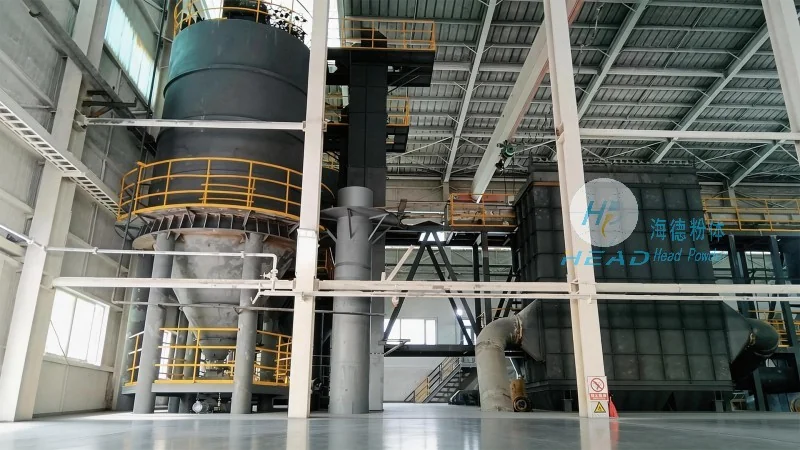
HeadPowder, a leading provider in the field, offers comprehensive solutions tailored to the unique requirements of alumina crystal processing. With a strong commitment to engineering excellence and customer satisfaction, Shandong HeadPowder Engineering Co., Ltd. has established itself as a trusted partner for businesses seeking reliable material handling systems. Based in Shandong, China, the company leverages its expertise to deliver innovative and efficient solutions that meet the demands of modern industrial operations.
Alumina crystals, also known as aluminum oxide crystals, possess distinct physical and chemical properties that influence material handling. These crystals are typically fine-grained, with a high density and abrasive nature, which can impact the selection of equipment and the design of handling systems. The crystalline structure of alumina makes it essential to consider factors such as particle size distribution, moisture content, and flowability when designing material handling solutions. Proper understanding of these characteristics is crucial for preventing equipment wear, ensuring consistent flow, and maintaining product quality throughout the handling process.
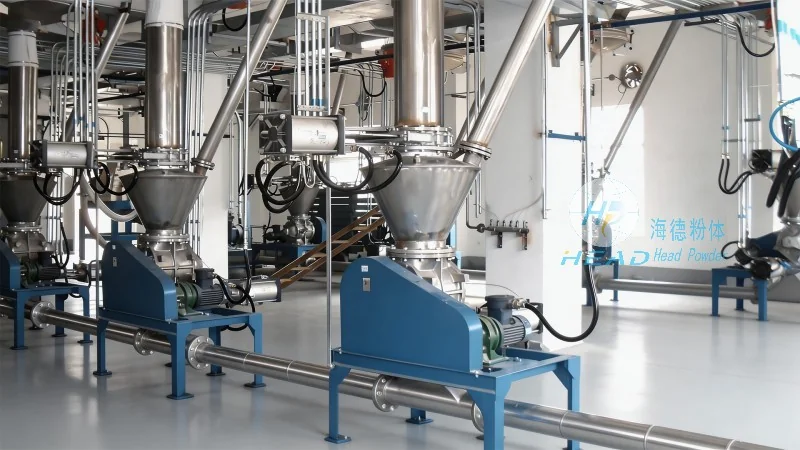
Various equipment is employed in alumina crystal material handling, including conveyors, elevators, and storage systems. Belt conveyors are commonly used for horizontal and inclined transport due to their ability to handle abrasive materials and maintain consistent speed. Screw conveyors are suitable for vertical or inclined transport, providing a compact solution for moving materials in confined spaces. Bucket elevators are ideal for vertical lifting, especially in applications requiring high capacity and continuous operation. The choice of equipment depends on factors such as the volume of material, the distance to be covered, and the specific operational environment. Each system must be designed to minimize friction and wear, as alumina crystals can cause significant abrasion on metal surfaces over time.
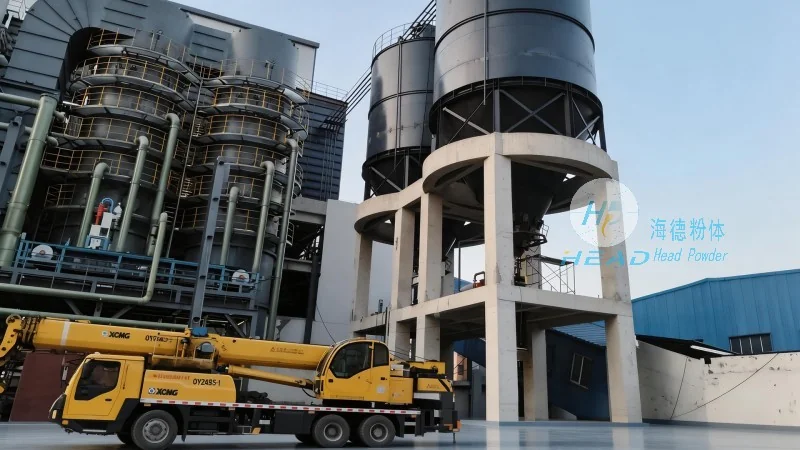
The design principles for alumina crystal material handling systems revolve around several key considerations. First, material compatibility is paramount. Components such as conveyor belts, bearings, and hoppers must be made from materials resistant to the abrasive and corrosive properties of alumina. Stainless steel, high-grade alloys, and specialized coatings are often used to extend equipment lifespan and ensure safety. Second, flow control is critical. Properly designed hoppers and chutes help maintain uniform material flow, preventing blockages and ensuring consistent throughput. The use of vibrators or air jets may be incorporated to improve flowability, especially for fine or cohesive materials. Third, safety and maintenance are integral to the design. Systems should include features like overload protection, emergency stop mechanisms, and easy access for maintenance personnel. Regular maintenance schedules are essential to prevent equipment failure and ensure long-term reliability.
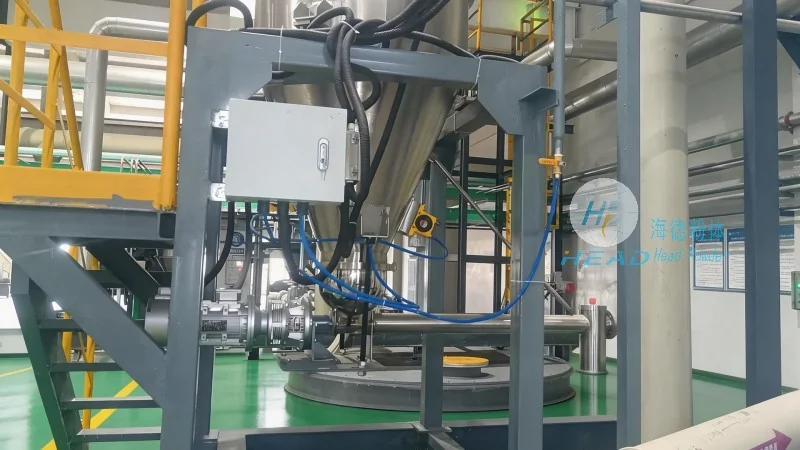
Optimizing alumina crystal material handling systems involves a holistic approach that balances performance, cost, and sustainability. Advanced control systems, such as PLC (Programmable Logic Controllers), enable precise regulation of conveyor speed, flow rate, and other parameters, enhancing operational efficiency. The integration of sensors and monitoring tools allows for real-time tracking of material levels, temperature, and equipment performance, facilitating proactive maintenance and reducing downtime. Additionally, energy-efficient designs, such as variable frequency drives (VFDs), help minimize power consumption while maintaining optimal performance. By adopting these strategies, businesses can achieve higher throughput, lower operational costs, and improved product quality.
Effective alumina crystal material handling relies on a deep understanding of material properties, equipment selection, and design principles. Companies like Shandong HeadPowder Engineering Co., Ltd. play a vital role in providing tailored solutions that address the specific challenges of alumina processing. By leveraging their expertise in engineering and material science, HeadPowder helps clients optimize their material handling operations, ensuring reliability, safety, and efficiency. Whether for new installations or system upgrades, HeadPowder's comprehensive approach ensures that businesses can meet their production goals while maintaining high standards of quality and safety.

 Shandong Headpowder Engineering Co., Ltd.
 156-6277-7102(Manager Zhang)
  0531-83386006
  Zhangqiu District, Jinan City, Shandong Province, China
telephone
WeChatconsult
top