With more than 10‑year industry experience, Shandong Headpowder delivers full‑service pneumatic‑conveying systems and blowers, undertaking nationwide turn‑key powder‑handling projects.
Biomass pellet material handling is a critical process in the renewable energy and industrial sectors, focusing on the efficient transport, storage, and processing of biomass pellets. These pellets, typically made from wood chips, agricultural residues, or other organic materials, are a key component in biomass power generation, heating systems, and biofuel production. The design of biomass pellet handling systems is essential to ensure optimal performance, reliability, and safety in various industrial applications.
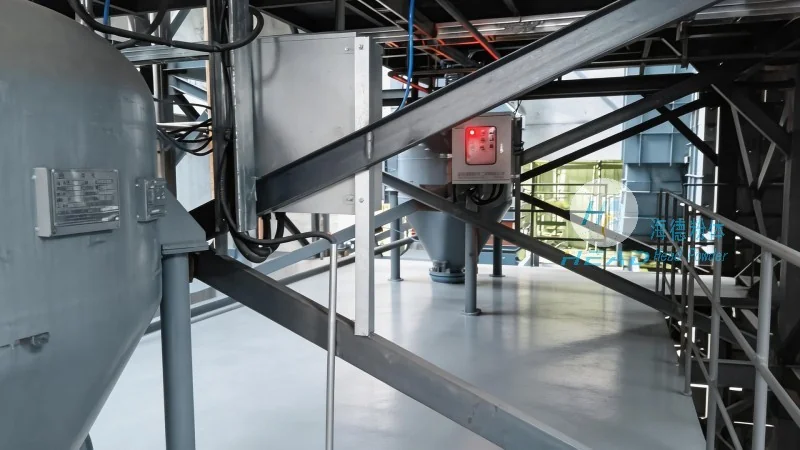
Biomass pellet material handling involves the movement of biomass pellets from storage areas to processing units or end-use applications. This process includes loading, conveying, storing, and unloading operations. The efficiency of these systems directly impacts the overall productivity and cost-effectiveness of biomass-based energy projects. Proper design and implementation of material handling equipment are crucial to minimize material loss, reduce energy consumption, and maintain consistent pellet quality throughout the handling process.
Biomass pellets are cylindrical or spherical particles with a uniform size, typically ranging from 6 to 12 millimeters in diameter and 3 to 8 millimeters in length. They are produced through a process of drying, grinding, and pressing organic feedstocks. The handling of these pellets requires specialized equipment due to their density, shape, and potential for static electricity. Common handling challenges include dust generation, material segregation, and the need for gentle handling to preserve pellet integrity. Effective material handling solutions address these challenges by using appropriate conveying methods, storage systems, and control mechanisms.
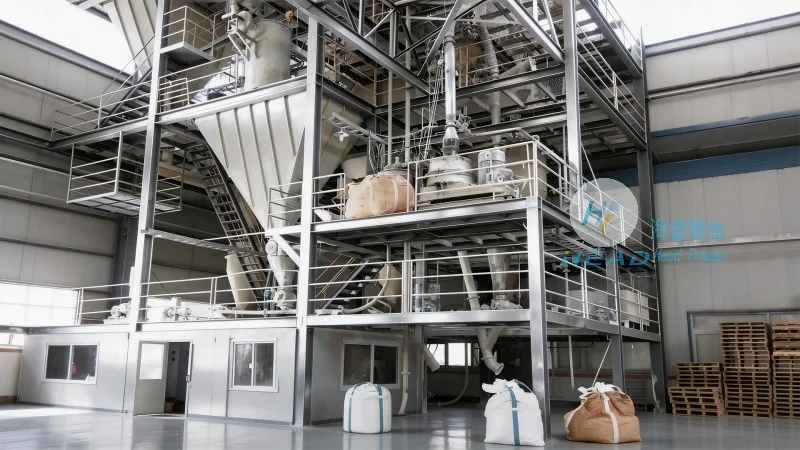
The design of biomass pellet material handling systems follows several key principles to ensure functionality and efficiency. First, the system must be tailored to the specific characteristics of the biomass pellets, including their size, density, moisture content, and flow properties. This involves selecting the appropriate type of conveyor, such as belt conveyors, screw conveyors, or pneumatic conveyors, based on the application requirements. Second, the design must prioritize material flow and minimize friction and abrasion to prevent pellet degradation. This includes using smooth surfaces, appropriate belt materials, and proper alignment of components. Third, the system should incorporate safety features and maintenance considerations to ensure long-term reliability and operational safety. This may include sensors for monitoring flow, emergency stop mechanisms, and easy access for maintenance personnel.
Biomass pellet handling systems typically consist of several key components, each serving a specific function. The primary components include storage silos or hoppers, conveying equipment (such as belt conveyors or screw conveyors), feeding mechanisms, and control systems. Storage silos are used to store large quantities of biomass pellets, ensuring a steady supply for processing. Conveying equipment transports the pellets from the storage area to the processing unit or end-use application. Feeding mechanisms, such as rotary valves or feeders, regulate the flow of pellets into the conveying system, ensuring consistent and controlled delivery. Control systems monitor and regulate the operation of the entire system, providing feedback on flow rates, pressure, and other critical parameters to maintain optimal performance.
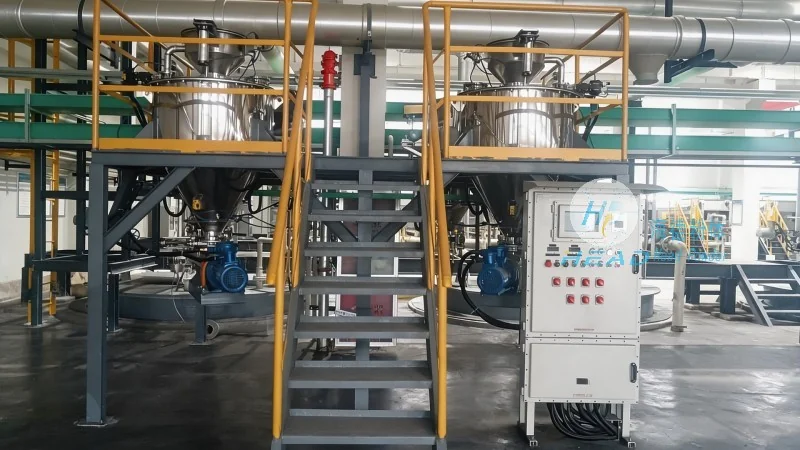
Biomass pellet material handling systems are widely used in various industries, including power generation, heating, and biofuel production. In power plants, these systems transport biomass pellets to boilers for combustion, providing a renewable energy source. In residential and commercial heating systems, pellet handling equipment delivers fuel to stoves or furnaces, offering an efficient and clean-burning alternative to traditional fuels. The biofuel industry also relies on biomass pellet handling for the production of pellets used as a feedstock in the manufacturing of bioethanol or biodiesel. The versatility of biomass pellets and the efficiency of handling systems make them a valuable resource in the transition to sustainable energy sources.
Shandong HeadPowder Engineering Co., Ltd. is a leading manufacturer and supplier of biomass pellet material handling equipment based in China. The company specializes in designing and manufacturing high-quality, reliable systems tailored to the specific needs of biomass processing facilities. With a focus on innovation and customer satisfaction, HeadPowder provides comprehensive solutions for biomass pellet handling, including storage silos, conveyors, feeders, and control systems. The company's products are known for their durability, efficiency, and adherence to industry standards, ensuring optimal performance in various applications. HeadPowder's commitment to quality and customer support has made it a trusted partner for businesses in the renewable energy and industrial sectors. The company is located in Shandong, China, providing local support and service to its clients.

 Shandong Headpowder Engineering Co., Ltd.
 156-6277-7102(Manager Zhang)
  0531-83386006
  Zhangqiu District, Jinan City, Shandong Province, China
telephone
WeChatconsult
top