With more than 10‑year industry experience, Shandong Headpowder delivers full‑service pneumatic‑conveying systems and blowers, undertaking nationwide turn‑key powder‑handling projects.
Understanding the various types, features, and application ranges of air-flow conveying systems for phenolic powder is essential for industries that require efficient material handling. This article delves into the different air-flow conveying methods used for phenolic powder, highlighting their characteristics and practical uses.
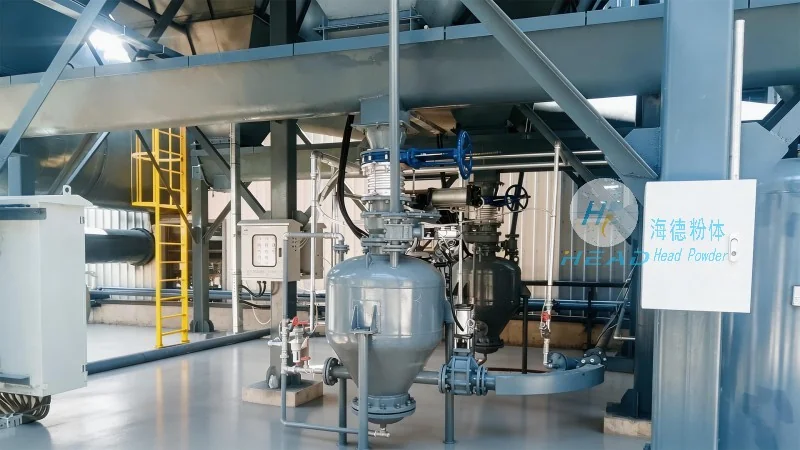
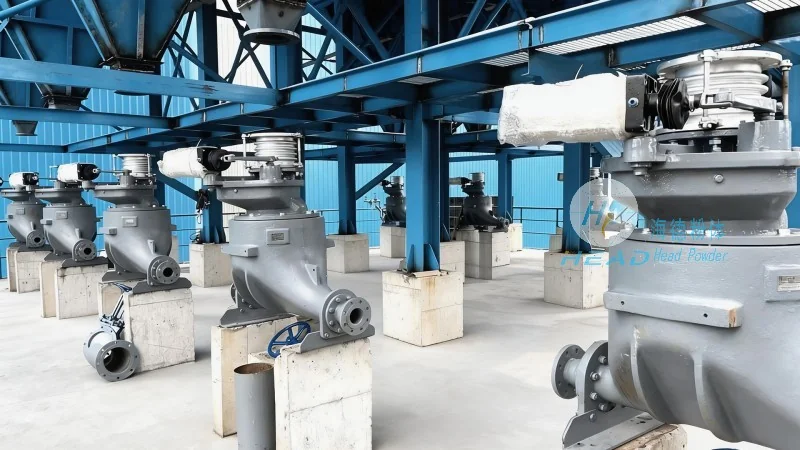
There are two primary types of air-flow conveying systems commonly employed for phenolic powder: dilute-phase and dense-phase systems. Dilute-phase conveying involves transporting the powder in a low concentration of particles suspended in air at high velocities, typically suitable for shorter distances and less abrasive powders. Dense-phase conveying, conversely, uses a higher concentration of powder at lower velocities, which minimizes product degradation and equipment wear. The choice between these systems depends on the specific properties of the phenolic powder and the operational requirements of the application.
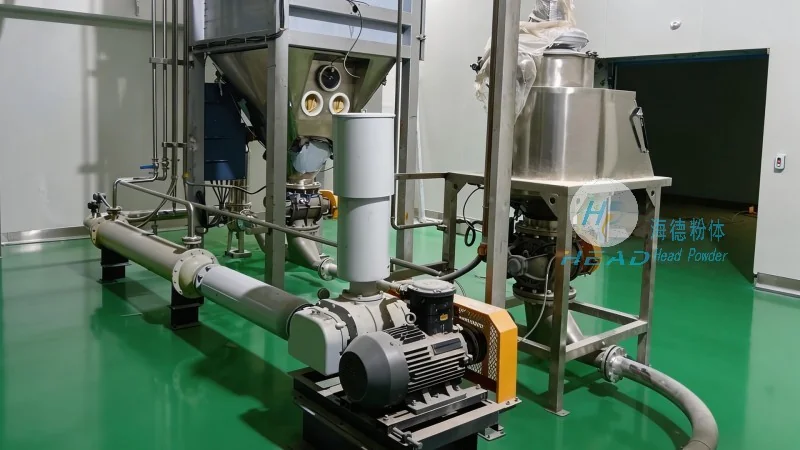
Efficient air-flow conveying systems for phenolic powder are equipped with several critical features to ensure optimal performance. These include durable construction materials to resist the abrasive nature of phenolic powder, which may contain fine, hard particles that can cause wear on equipment. Advanced filtration and separation mechanisms are also integrated to prevent dust accumulation and maintain clean operation. Modern systems often feature variable speed controls and pressure monitoring to maintain consistent flow rates and prevent system overload. These features collectively enhance the reliability and longevity of the conveying process.
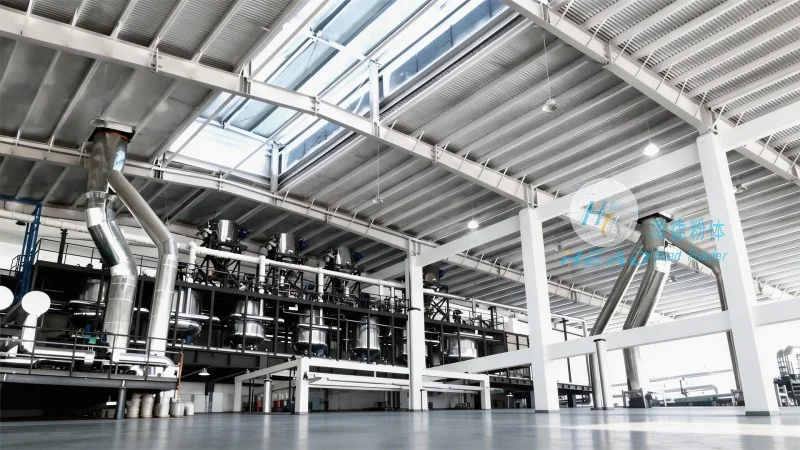
The application ranges of air-flow conveying systems for phenolic powder are extensive and cover various industrial processes. In the production of phenolic resins and composites, air-flow conveying is used to transport raw phenolic powder from storage silos to processing lines, ensuring a continuous and controlled supply. The system is also widely utilized in the manufacturing of phenolic molded parts, where precise and minimal-degradation delivery of powder to molding machines is critical. Additionally, in the recycling and reprocessing of phenolic waste materials, air-flow conveying facilitates the efficient collection and transport of recycled powder, supporting sustainable manufacturing practices. The versatility of air-flow conveying makes it suitable for both small-scale and large-scale industrial operations, adapting to different production volumes and operational conditions.

 Shandong Headpowder Engineering Co., Ltd.
 156-6277-7102(Manager Zhang)
  0531-83386006
  Zhangqiu District, Jinan City, Shandong Province, China
telephone
WeChatconsult
top