

Types, Characteristics, and Applications of Mineral Sand Pneumatic Conveying Systems
Mineral sand pneumatic conveying is a critical technology in material handling, offering efficient and flexible solutions for transporting various mineral sands. This article explores the different types of pneumatic conveying systems, their key characteristics, and the diverse applications where they are employed. The information is presented by Shandong HeadPowder Engineering Co., Ltd., a leading provider in the field, with operations based in Shandong, China.
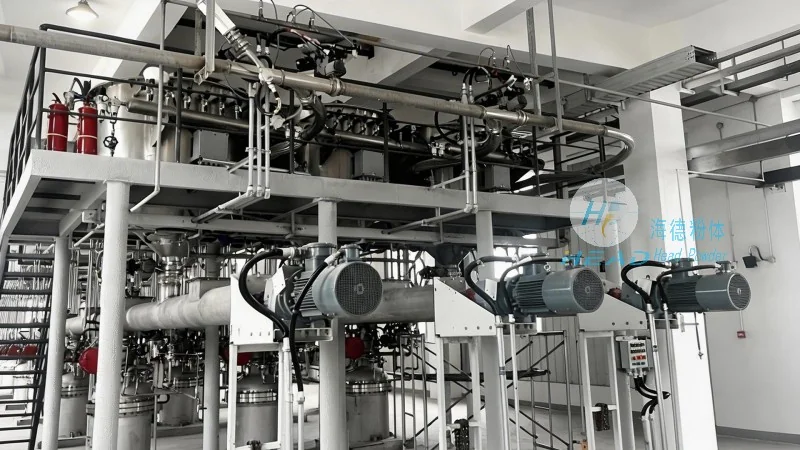
Overview of Mineral Sand Pneumatic Conveying Systems
Pneumatic conveying systems utilize air or gas to transport bulk materials like mineral sands through a pipeline network. These systems are designed to handle materials with varying properties, including different particle sizes, densities, and moisture contents. The primary goal is to achieve safe, reliable, and efficient material transport from source to destination, often in industrial settings such as mining, processing plants, and manufacturing facilities.
Types of Pneumatic Conveying Systems
There are several types of pneumatic conveying systems, each tailored to specific operational requirements and material characteristics. The main categories include:
1. Dilute Phase Conveying
Dilute phase systems operate by suspending the mineral sand particles in a high-velocity air stream. This method is suitable for materials with low to medium density and relatively fine particle sizes. The conveying velocity is typically high, ensuring that the particles remain suspended and travel efficiently through the pipeline. Dilute phase systems are commonly used for short to medium distance transport and are known for their energy efficiency and low maintenance requirements.
2. Dense Phase Conveying
Dense phase systems, also known as low velocity or high-pressure systems, transport mineral sand in a more concentrated state. The material is conveyed at a lower velocity, often with a higher air-to-material ratio, which allows for better control over particle movement and reduces the risk of particle degradation or degradation. This type of system is ideal for handling abrasive or sensitive materials, as well as for longer distance transport where maintaining material integrity is crucial.

3. Hybrid Conveying Systems
Hybrid systems combine elements of both dilute and dense phase conveying to optimize performance for specific applications. These systems may use a combination of high and low velocities, or vary the air pressure and flow rate to adapt to changing material conditions. Hybrid systems are particularly useful in complex material handling scenarios where different sections of the pipeline require different conveying modes, such as when transporting mineral sand from a hopper to a processing unit and then to a storage silo.
Key Characteristics of Mineral Sand Pneumatic Conveying
Each type of pneumatic conveying system exhibits distinct characteristics that influence its suitability for various applications. Understanding these features is essential for selecting the right system for a specific need. The main characteristics include:
1. Efficiency and Energy Consumption
The efficiency of a pneumatic conveying system is determined by its ability to transport material with minimal energy input. Dilute phase systems generally offer higher efficiency due to lower air pressure requirements, while dense phase systems may consume more energy but provide better material handling control. The choice between these systems depends on the balance between energy costs and operational requirements.
2. Material Handling Capacity
Conveying capacity refers to the volume of mineral sand that can be transported per unit time. This characteristic is influenced by factors such as the system's design, air velocity, and the properties of the material being conveyed. Higher capacity systems are typically used in large-scale industrial operations, where high throughput is required to meet production demands.

3. Material Integrity and Degradation Prevention
For mineral sands, maintaining material integrity is critical, as degradation can affect the quality of the final product. Dense phase systems are particularly effective in preventing particle breakage or attrition, making them suitable for sensitive materials. Dilute phase systems, while efficient, may pose a higher risk of degradation, especially for brittle or abrasive mineral sands.
4. System Complexity and Maintenance
The complexity of a pneumatic conveying system affects its installation, operation, and maintenance requirements. Simple dilute phase systems are generally easier to install and maintain, with fewer components and lower operational costs. In contrast, dense phase and hybrid systems may require more sophisticated control systems and regular maintenance to ensure optimal performance.
Applications of Mineral Sand Pneumatic Conveying
Mineral sand pneumatic conveying systems find applications in a wide range of industries, where efficient material transport is essential. The primary applications include:
1. Mining and Mineral Processing
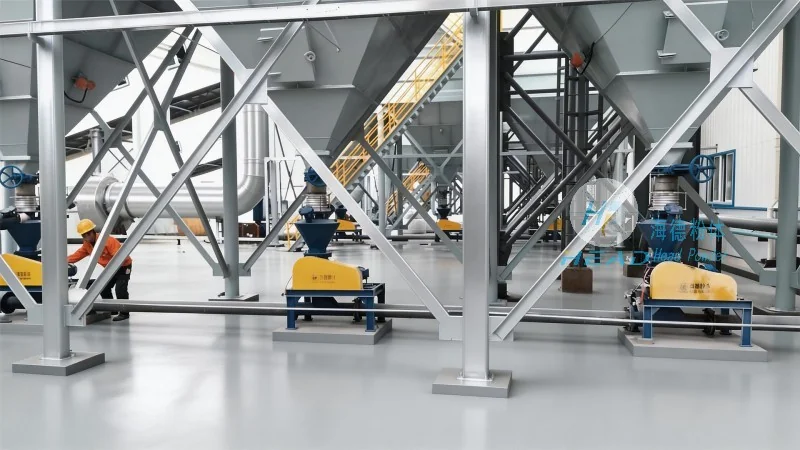
In the mining industry, pneumatic conveying is used to transport mineral sands from extraction sites to processing plants. This includes the movement of raw ore, crushed materials, and finished products. The systems are designed to handle abrasive and heavy materials, ensuring reliable operation in harsh environments.
2. Chemical and Pharmaceutical Manufacturing
Chemical and pharmaceutical industries rely on pneumatic conveying for transporting mineral sands used as raw materials or additives. These materials may include silica, kaolin, or other minerals used in the production of chemicals, coatings, or pharmaceutical products. The systems must meet stringent quality and cleanliness standards to prevent contamination.
3. Food and Beverage Processing
Mineral sands are also used in the food and beverage industry, such as in the production of food additives, packaging materials, or as filtration agents. Pneumatic conveying systems are employed to transport these materials in a hygienic and controlled manner, ensuring that the final products meet safety and quality regulations.
4. Construction and Building Materials
In the construction sector, mineral sands are used as components in concrete, mortar, and other building materials. Pneumatic conveying systems facilitate the transport of these materials from storage facilities to construction sites, improving operational efficiency and reducing handling time.
Conclusion
Mineral sand pneumatic conveying systems offer versatile and efficient solutions for material handling in various industrial applications. By understanding the different types, characteristics, and applications of these systems, industries can select the most appropriate technology to meet their specific needs. Shandong HeadPowder Engineering Co., Ltd. specializes in designing and implementing such systems, providing customized solutions tailored to the unique requirements of each client, with operations based in Shandong, China.