With more than 10‑year industry experience, Shandong Headpowder delivers full‑service pneumatic‑conveying systems and blowers, undertaking nationwide turn‑key powder‑handling projects.
Efficient material handling is a critical component in the cement and construction industries, particularly when dealing with cement and gypsum powders. These materials are essential for various applications, from concrete production to dry mix mortar manufacturing. The proper design and implementation of material handling systems for cement and gypsum powders are crucial to ensure smooth operations, maintain product quality, and enhance overall productivity. This article delves into the fundamental aspects of cement and gypsum powder material handling, exploring the key design principles that underpin effective systems.
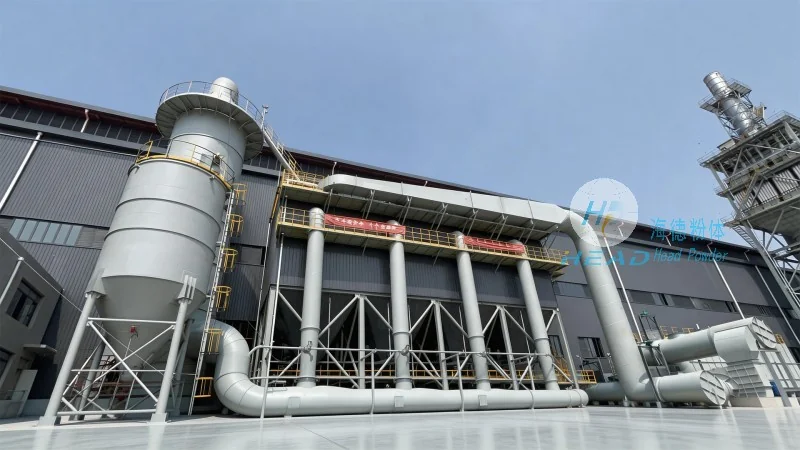
At Shandong HeadPowder Engineering Co., Ltd., we specialize in providing comprehensive material handling solutions tailored to the unique needs of the cement and gypsum industries. With our headquarters located in Shandong, China, our team of experienced engineers and technicians leverages advanced technology and industry best practices to design, manufacture, and install efficient powder handling systems. Our commitment to quality and customer satisfaction has made us a trusted partner for businesses seeking reliable and durable solutions for their cement and gypsum powder material handling requirements.
The design of cement and gypsum powder material handling systems involves several critical principles that ensure optimal performance and safety. First, the system must be designed to handle the specific physical properties of the powders, such as particle size, moisture content, and flow characteristics. These properties directly impact the material's behavior during transport, storage, and processing. For instance, cement powders are typically fine and can be prone to dust generation, while gypsum powders may have different bulk density and flowability. Understanding these characteristics is essential for selecting appropriate equipment and materials.
Second, the design must prioritize safety and environmental compliance. Cement and gypsum powders can be hazardous if not handled properly, as they may cause respiratory issues or environmental contamination. Therefore, systems must incorporate dust control measures, such as sealed conveying lines, dust collectors, and proper ventilation. Additionally, the design should adhere to local regulations and industry standards to ensure compliance and minimize risks.
Third, efficiency and cost-effectiveness are paramount in material handling system design. The system should minimize energy consumption, reduce maintenance costs, and maximize throughput. This involves selecting the right type of equipment, such as screw conveyors, pneumatic conveyors, or bucket elevators, based on the specific application and material characteristics. For example, pneumatic conveyors are ideal for transporting fine powders over long distances, while screw conveyors are suitable for horizontal or slight incline transport with minimal dust generation.
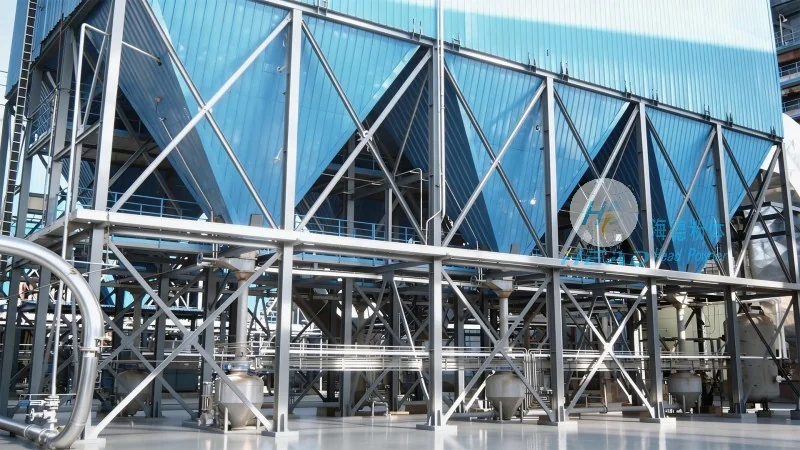
Fourth, the design must consider the overall process flow and integration with other equipment. Cement and gypsum powder handling systems are often part of larger production lines, including mixing, grinding, and packaging processes. The material handling system must be seamlessly integrated with these processes to ensure smooth material flow and minimize bottlenecks. This requires careful planning and coordination to ensure that the system aligns with the overall production goals and operational requirements.
Fifth, durability and reliability are critical factors in the long-term success of material handling systems. Cement and gypsum powders can be abrasive and corrosive, which can lead to equipment wear and failure if not properly managed. Therefore, the design should incorporate materials and components that are resistant to wear, corrosion, and abrasion. This includes using high-quality stainless steel, wear-resistant liners, and robust drive systems. Additionally, regular maintenance and monitoring are essential to ensure the system operates reliably over its service life.
Several types of equipment are commonly used in cement and gypsum powder material handling systems. Each type has its own advantages and is suitable for specific applications. The choice of equipment depends on factors such as the material's properties, the required transport distance, and the desired level of automation.
One of the most common equipment types is the screw conveyor. Screw conveyors are used for horizontal or slight incline transport of powders and granules. They are simple in design, easy to install, and can handle a wide range of materials. Screw conveyors are particularly suitable for transporting cement and gypsum powders in batching plants or storage silos. They can be equipped with variable speed drives to control the flow rate and prevent overloading.
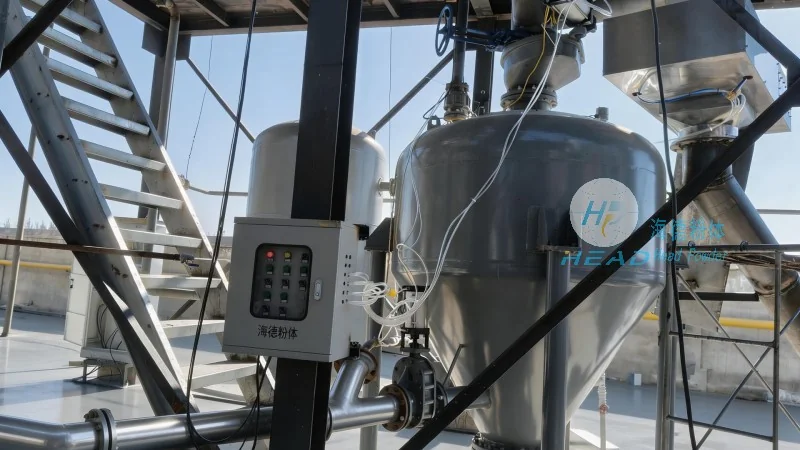
Another popular option is the pneumatic conveyor, which uses air pressure to transport powders through a sealed pipeline. Pneumatic conveyors are ideal for long-distance transport and can handle fine powders without generating dust. They are commonly used in cement and gypsum plants to transport materials from storage silos to mixing or packaging areas. There are two main types of pneumatic conveyors: positive displacement and pressure-type. Positive displacement conveyors use a pump to create a vacuum or pressure, while pressure-type conveyors use compressed air to push the material through the pipeline.
Bucket elevators are another essential equipment for vertical transport of powders. They consist of a continuous chain with buckets attached, which lift the material from a lower level to a higher level. Bucket elevators are commonly used in cement and gypsum plants to transport materials from ground-level storage to elevated silos or processing areas. They are capable of handling large volumes of material and can be designed to handle abrasive or corrosive materials.
Finally, storage silos are an integral part of cement and gypsum powder handling systems. Silos are used to store large quantities of powders and maintain consistent material quality. They are typically made of steel or concrete and can be equipped with aeration systems to control moisture content and prevent caking. Silos are designed to be compatible with various material handling equipment, such as screw conveyors and pneumatic conveyors, to ensure seamless material flow.
Designing and implementing an effective cement and gypsum powder material handling system requires careful consideration of various factors, including material properties, safety requirements, efficiency, and durability. At Shandong HeadPowder Engineering Co., Ltd., we understand the critical role that material handling plays in the cement and construction industries. Our team of experts works closely with clients to design customized solutions that meet their specific needs and operational goals. By adhering to the key design principles outlined in this article, businesses can ensure that their cement and gypsum powder material handling systems are efficient, reliable, and safe. With our expertise and commitment to quality, we are dedicated to helping our clients achieve optimal performance and productivity in their material handling operations.

 Shandong Headpowder Engineering Co., Ltd.
 156-6277-7102(Manager Zhang)
  0531-83386006
  Zhangqiu District, Jinan City, Shandong Province, China
telephone
WeChatconsult
top