With more than 10‑year industry experience, Shandong Headpowder delivers full‑service pneumatic‑conveying systems and blowers, undertaking nationwide turn‑key powder‑handling projects.
Rice bran, a byproduct of rice milling, is rich in nutrients and widely used in food, feed, and industrial applications. Efficient handling of rice bran is crucial for maximizing its value and ensuring smooth production processes. This article explores the concept of a rice bran material handling system and delves into its core design principles, highlighting how such systems are engineered to meet the unique challenges of processing this valuable material.
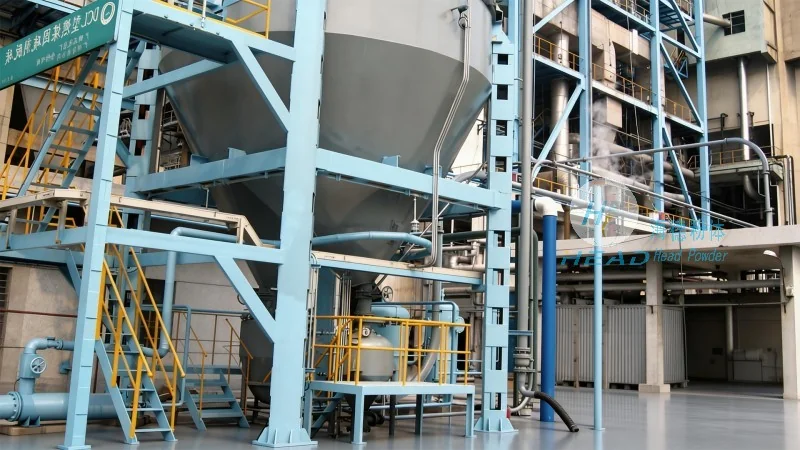
Rice bran is a fine, powdery material that can be prone to caking, dust generation, and flow irregularities if not handled properly. Traditional bulk material handling methods may not be suitable due to its hygroscopic nature and potential for creating dust clouds, which can pose health and safety risks. A dedicated rice bran material handling system is designed to address these challenges by providing controlled, efficient, and safe transfer of the material from one stage of the process to another. This specialized approach ensures that the nutritional quality of the rice bran is preserved while optimizing the overall efficiency of the production line.
The design of a rice bran material handling system is guided by several critical principles that ensure optimal performance, safety, and durability. These principles include:
1. Material Compatibility and Corrosion Resistance: Rice bran handling systems must be constructed from materials that are resistant to the acidic and oxidative properties of the material. Stainless steel, high-grade plastics, and specialized coatings are commonly used to prevent corrosion and maintain the integrity of the equipment over time. This ensures that the system can withstand the chemical interactions with rice bran without degrading, which is essential for long-term reliability.
2. Controlled Flow and Prevention of Caking: To prevent caking and blockages, the system incorporates features such as gentle material handling mechanisms, temperature control, and moisture management. For example, some systems use low-speed screw conveyors or pneumatic transport with controlled air flow to maintain the free-flowing nature of rice bran. Additionally, the design may include vibration or agitation features to break up any agglomerates that form, ensuring consistent material flow.
3. Efficient Dust Control and Safety Measures: Given that rice bran is a fine powder, dust generation is a significant concern. The system is equipped with dust collection systems, sealed enclosures, and proper ventilation to minimize exposure to airborne particles. This not only protects workers from respiratory hazards but also prevents dust explosions by maintaining a safe dust concentration level. Safety interlocks and emergency shut-off mechanisms are also integrated into the design to ensure operational safety.
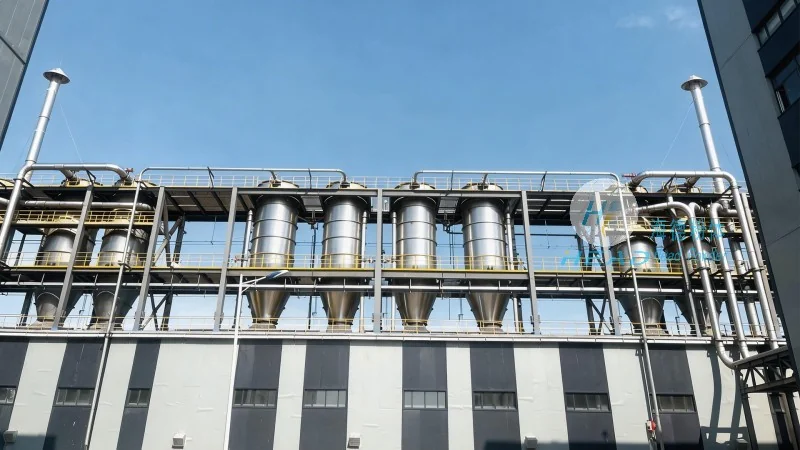
4. Modular and Scalable Design: Modern rice bran material handling systems are often designed with modularity in mind, allowing for easy expansion or integration with other processing equipment. This flexibility enables manufacturers to adapt the system as their production needs evolve, ensuring that the investment in the system remains relevant and cost-effective over time. The modular approach also simplifies maintenance and repair, as individual components can be replaced or upgraded without disrupting the entire system.
A rice bran material handling system typically consists of several key components, each playing a vital role in the efficient transfer of the material. These components include:
1. Feeding and Conveying Equipment: The system starts with a feeding hopper that collects rice bran from storage silos or processing equipment. From there, the material is conveyed using various technologies, such as screw conveyors, belt conveyors, or pneumatic systems. Screw conveyors are particularly popular for rice bran due to their ability to handle fine powders without causing excessive friction or heat buildup. The design of the screw (e.g., U-shaped or solid screw) is optimized to prevent material buildup and ensure smooth flow.
2. Storage and Conditioning Units: In some systems, rice bran may be stored in silos or bins before further processing. These storage units are equipped with aeration systems to control moisture levels and prevent caking. The design of the silo, including its shape and material, is crucial for maintaining the quality of the rice bran during storage. Proper aeration ensures that the material remains dry and free-flowing, which is essential for subsequent handling steps.
3. Dust Collection and Filtration Systems: To manage dust generated during handling, the system includes dust collection equipment such as cyclones or baghouses. These systems capture fine particles and return them to the material stream or dispose of them safely. The filtration efficiency and capacity of these systems are critical to maintaining a clean working environment and complying with environmental regulations.
4. Control and Monitoring Systems: Modern rice bran material handling systems are often equipped with advanced control systems that monitor key parameters such as flow rate, pressure, and temperature. These systems use sensors and automation controls to adjust the operation of the equipment in real-time, ensuring optimal performance and preventing issues such as overloading or blockages. The control panel may also include alarms and indicators to alert operators of any deviations from normal operation.

Shandong HeadPowder Engineering Co., Ltd., a leading manufacturer in the field, specializes in designing and manufacturing customized rice bran material handling systems tailored to the specific needs of their clients. With a focus on innovation and quality, HeadPowder integrates the latest technologies and design principles into their systems to deliver solutions that are efficient, reliable, and safe. The company's expertise lies in understanding the unique challenges of rice bran processing and translating them into practical, effective solutions.
HeadPowder's design process begins with a thorough analysis of the client's production requirements, including the volume of rice bran to be handled, the desired output, and any specific processing constraints. This analysis helps the engineers to select the most appropriate equipment and configuration for the system. The company uses advanced simulation tools to model the material flow and predict potential issues, ensuring that the final design is optimized for performance and durability.
One of the key features of HeadPowder's rice bran material handling systems is their emphasis on material compatibility and corrosion resistance. The company uses high-quality stainless steel and specialized coatings to construct the equipment, ensuring that it can withstand the acidic and oxidative properties of rice bran without degradation. This not only extends the lifespan of the system but also maintains the quality of the material being handled.
Furthermore, HeadPowder incorporates advanced dust control measures into their systems. The company uses sealed enclosures and efficient filtration systems to minimize dust exposure and comply with environmental regulations. The control systems are designed to monitor dust levels and adjust the operation of the equipment as needed, ensuring a safe working environment for operators.
A well-designed rice bran material handling system is essential for maximizing the value of this valuable byproduct and ensuring the smooth operation of rice milling and processing facilities. By adhering to key design principles such as material compatibility, controlled flow, and efficient dust control, manufacturers can achieve high levels of efficiency, safety, and durability. Companies like Shandong HeadPowder Engineering Co., Ltd. play a crucial role in providing these specialized systems, leveraging their expertise and innovative approaches to meet the evolving needs of the industry.

 Shandong Headpowder Engineering Co., Ltd.
 156-6277-7102(Manager Zhang)
  0531-83386006
  Zhangqiu District, Jinan City, Shandong Province, China
telephone
WeChatconsult
top