With more than 10‑year industry experience, Shandong Headpowder delivers full‑service pneumatic‑conveying systems and blowers, undertaking nationwide turn‑key powder‑handling projects.
When it comes to efficiently transporting fine light sand materials, specialized systems are essential for maintaining performance and operational efficiency. This article explores the concept of a fine light sand material handling system, detailing its design principles and the key considerations that contribute to its effectiveness in industrial applications.
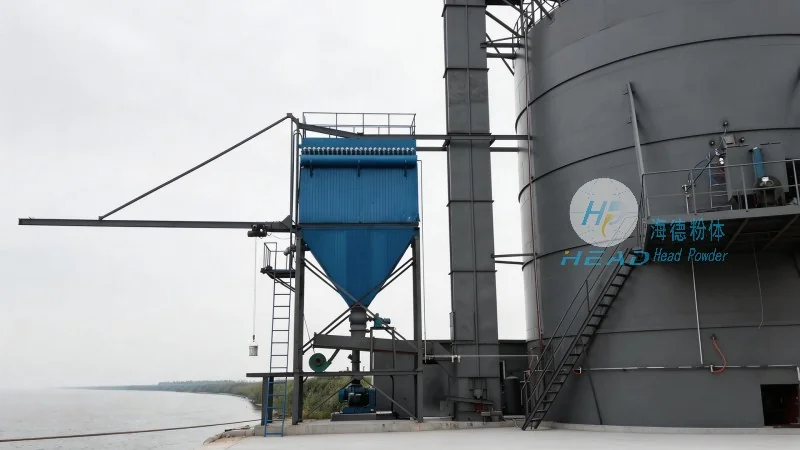
A fine light sand material handling system is engineered to transport fine, lightweight sand particles, which often present unique challenges due to their size, density, and flow characteristics. These systems are designed to handle materials that are difficult to move using conventional bulk material handling equipment. The primary goal is to ensure smooth, consistent movement of the sand while minimizing issues such as material degradation, equipment wear, and operational inefficiencies.
The design of a fine light sand material handling system is guided by several critical principles to optimize performance and durability. These principles include:
1. **Material Compatibility**: The system components, such as hoppers, conveyors, and valves, are constructed from materials that are resistant to sand abrasion and corrosion. This ensures longevity and reduces maintenance costs.
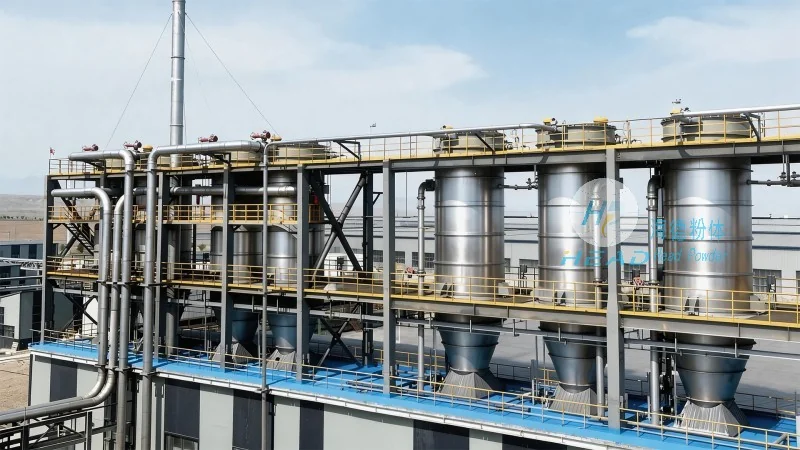
2. **Low-Pressure Flow Control**: Fine light sand can be prone to bridging and clogging in traditional high-pressure systems. Therefore, low-pressure, gentle flow mechanisms are employed to prevent material buildup and ensure consistent transport.
3. **Aerodynamic Considerations**: The design incorporates aerodynamic features to minimize air resistance and maintain a stable flow of the sand particles. This is crucial for maintaining the material's integrity and preventing segregation.
4. **Energy Efficiency**: Modern systems are designed with energy efficiency in mind, using advanced motor controls and optimized conveyor speeds to reduce operational costs while maintaining performance.
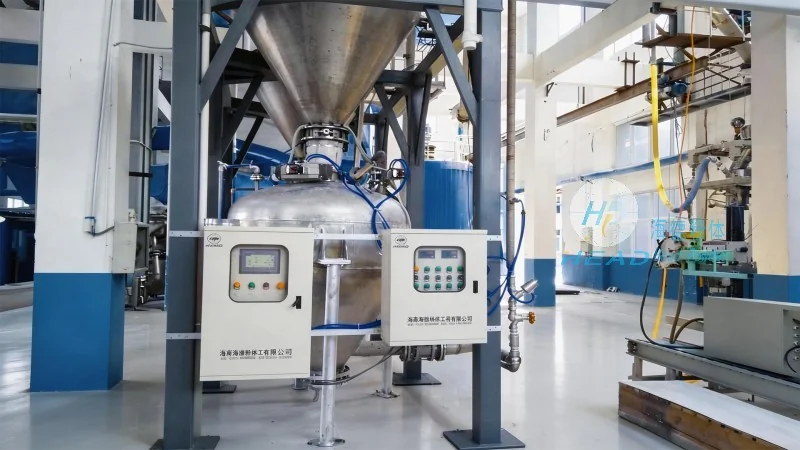
The fine light sand material handling system typically consists of several interconnected components that work in tandem to achieve efficient material transport. These components include:
• **Feed Hopper**: A hopper that stores the fine light sand and feeds it into the system at a controlled rate. The hopper is designed with a sloped bottom to prevent material bridging.
• **Conveyor System**: This is the core of the system, often using a belt or screw conveyor to move the sand. The conveyor is engineered to handle low-density materials without excessive friction or wear.
• **Valves and Control Devices**: These components regulate the flow of sand, ensuring that the material is released in a controlled manner to the next processing stage.
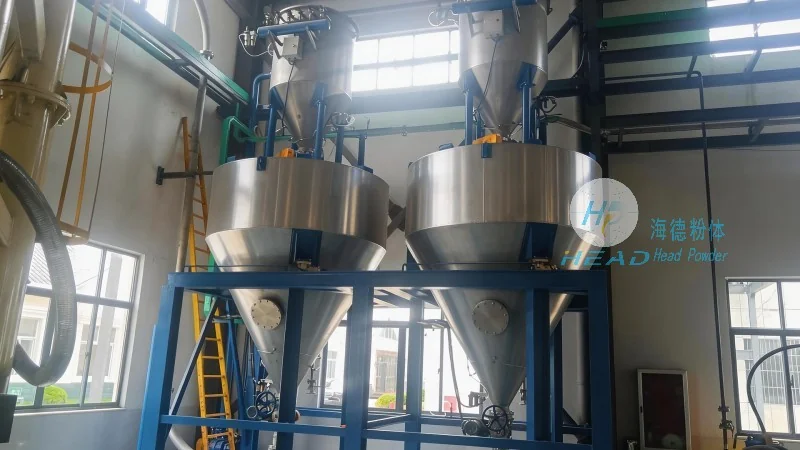
• **Dust Control Measures**: Fine light sand can generate dust, which is managed through features like dust collection systems and sealed enclosures to maintain a safe and clean working environment.
Fine light sand material handling systems are widely used in various industries, including construction, foundries, and mining. They are essential for processes such as sand mixing, casting, and material storage. The system's ability to handle fine, lightweight materials makes it particularly valuable in applications where material quality and consistency are critical.
Shandong HeadPowder Engineering Co., Ltd., commonly known as headpowder, is a leading manufacturer specializing in material handling solutions for fine light sand and similar materials. With a strong commitment to quality and innovation, the company has developed advanced systems that meet the demanding requirements of modern industrial applications. Headpowder's headquarters is located in Shandong, China, where the company leverages local expertise and resources to deliver reliable and efficient material handling solutions.

 Shandong Headpowder Engineering Co., Ltd.
 156-6277-7102(Manager Zhang)
  0531-83386006
  Zhangqiu District, Jinan City, Shandong Province, China
telephone
WeChatconsult
top