With more than 10‑year industry experience, Shandong Headpowder delivers full‑service pneumatic‑conveying systems and blowers, undertaking nationwide turn‑key powder‑handling projects.
For industrial applications involving silica fume, an efficient material handling system is crucial to ensure safe and reliable operation. Silica fume, a byproduct of silicon metal production, is a fine powder with high reactivity and density, making its transport and storage require specialized equipment and design considerations. This article explores the key components and design principles of a silica fume material handling system, highlighting the importance of each element in optimizing performance and safety. The system is designed and manufactured by Shandong HeadPowder Engineering Co., Ltd., a leading provider of industrial material handling solutions.
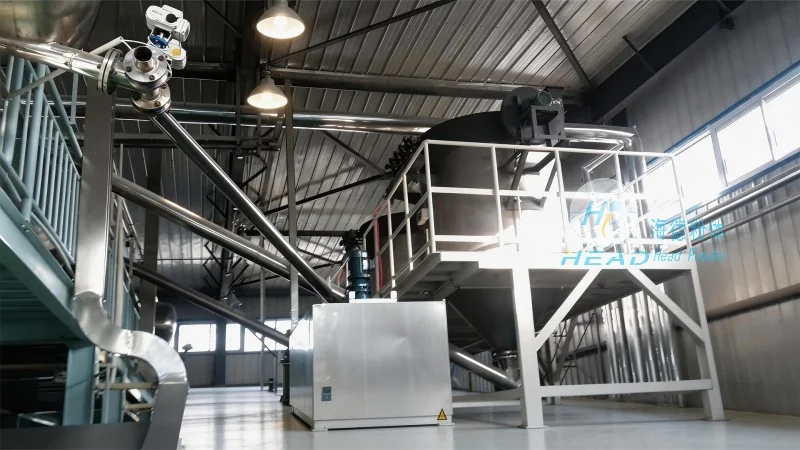
Silica fume, also known as microsilica, is a fine powder composed of amorphous silicon dioxide. It is characterized by its high surface area, high reactivity, and density, which makes it challenging to handle compared to other bulk materials. Due to its fine particle size and potential for dust generation, silica fume handling systems must be designed to minimize dust exposure, prevent material degradation, and ensure consistent flow. The material's chemical properties also require that the handling equipment be resistant to corrosion and wear, as silica fume can be abrasive and reactive with certain materials. Shandong HeadPowder Engineering Co., Ltd. specializes in developing customized solutions for handling such challenging materials, ensuring compliance with industry standards and safety regulations.
The design of a silica fume material handling system typically involves several key components, each playing a critical role in the overall operation. These components include storage silos, feeding equipment, conveying systems, and dust control measures. Each component must be carefully selected and integrated to ensure seamless material flow and compliance with safety regulations. The company's expertise in material handling systems allows for the optimization of each component to meet the specific needs of silica fume applications.
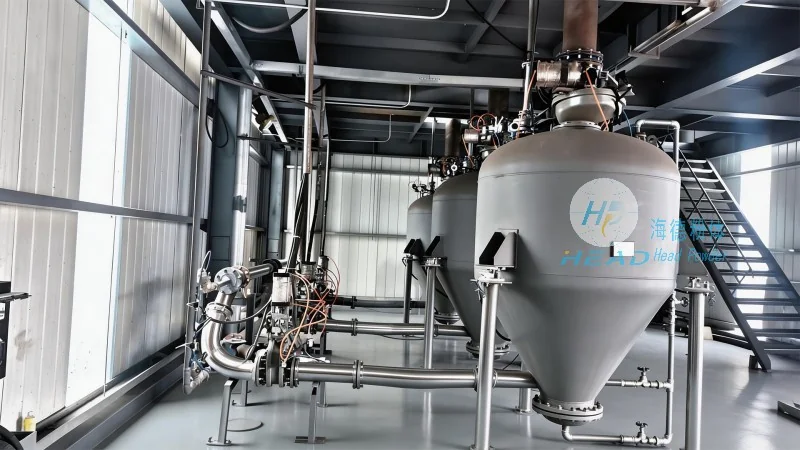
Storage silos are a fundamental part of any silica fume handling system, providing a secure and controlled environment for storing the material. These silos are typically made of high-strength materials such as steel or concrete, designed to withstand the pressure and weight of the stored material. The design of the silo includes features like a conical bottom to facilitate material discharge and prevent bridging or caking, which can occur with fine powders like silica fume. The silo may also be equipped with a level indicator and a pressure relief valve to monitor and maintain safe operating conditions. Shandong HeadPowder Engineering Co., Ltd. offers customized silo designs that ensure efficient material storage and discharge, tailored to the specific volume and flow requirements of the client.
Feeding equipment, such as rotary valves or screw feeders, is used to control the flow of silica fume from the storage silo to the conveying system. These devices ensure a consistent and controlled discharge of material, preventing overloading or underloading of the conveyor. The conveying system, which may include pneumatic or mechanical conveyors, transports the silica fume from the storage area to the processing or packaging equipment. Pneumatic conveyors are often preferred for silica fume due to their ability to handle fine powders and minimize dust generation, while mechanical conveyors like belt or chain conveyors provide a more direct and efficient transport method. The company's feeding and conveying solutions are engineered to handle the unique characteristics of silica fume, ensuring reliable and efficient material transport.
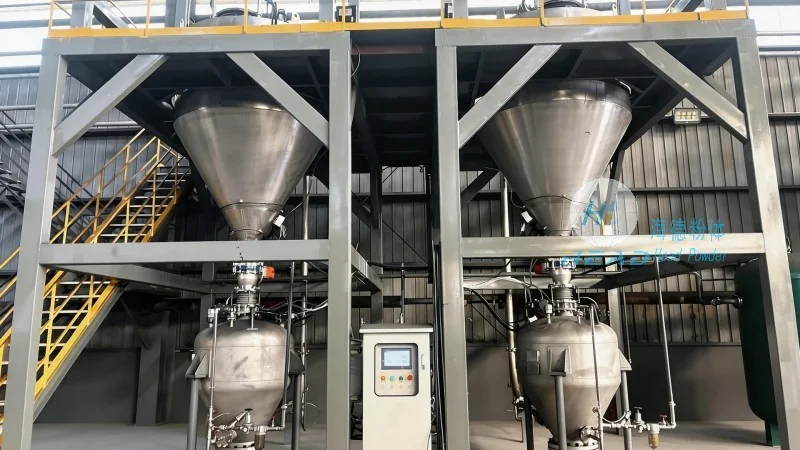
Given the fine particle size of silica fume, dust control is a critical aspect of the material handling system. The system may include dust collection systems, such as baghouse filters or cartridge filters, to capture and remove airborne particles. Additionally, the design incorporates features like sealed hoppers, enclosed conveyors, and local exhaust ventilation to minimize dust exposure to personnel and the environment. Safety measures also include proper grounding and bonding of equipment to prevent static electricity buildup, which can cause dust explosions. The system must comply with relevant safety standards and regulations, such as those from OSHA or other regulatory bodies, to ensure worker safety and environmental protection. Shandong HeadPowder Engineering Co., Ltd. prioritizes safety in all its designs, implementing robust dust control and safety features in every silica fume handling system.
The design of a silica fume material handling system follows several key principles to ensure optimal performance, efficiency, and safety. These principles include material compatibility, flow control, and system integration. Material compatibility ensures that all components of the system are suitable for handling silica fume, considering its chemical and physical properties. Flow control involves designing the system to maintain consistent material flow, preventing issues like bridging, caking, or blockages. System integration ensures that all components work together seamlessly, minimizing downtime and maximizing productivity. The company adheres to these principles in all its designs, ensuring that each system is tailored to the specific needs of the client and optimized for performance.

 Shandong Headpowder Engineering Co., Ltd.
 156-6277-7102(Manager Zhang)
  0531-83386006
  Zhangqiu District, Jinan City, Shandong Province, China
telephone
WeChatconsult
top