With more than 10‑year industry experience, Shandong Headpowder delivers full‑service pneumatic‑conveying systems and blowers, undertaking nationwide turn‑key powder‑handling projects.
Calcium chloride is a widely used chemical compound in various industrial applications, and efficient handling of its powder form is crucial for operational efficiency and safety. This article provides an introduction to the systems and principles involved in calcium chloride powder handling, focusing on the structural design and operational mechanisms that enable reliable material transport.
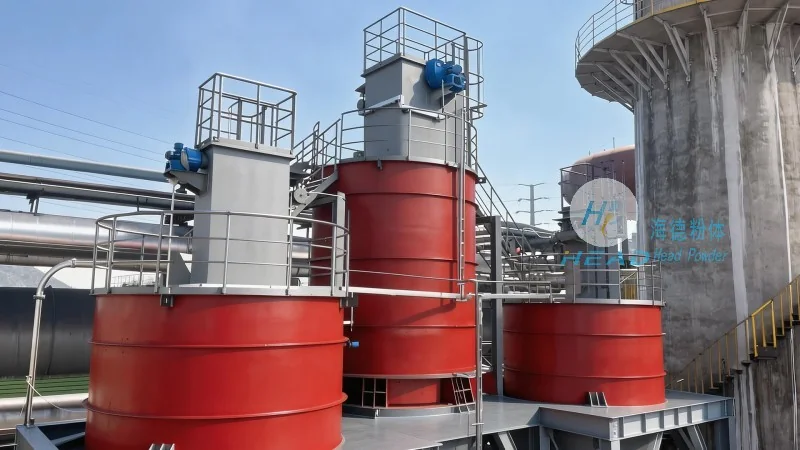
Calcium chloride powder handling systems are engineered to manage the storage, transfer, and processing of calcium chloride in bulk quantities. These systems are essential in industries such as construction, de-icing, and chemical manufacturing, where calcium chloride is used for its hygroscopic properties and ability to lower freezing points. The design of these systems prioritizes safety, efficiency, and durability, addressing the challenges posed by the material's characteristics, including its tendency to absorb moisture and its potential to cause corrosion in certain environments.
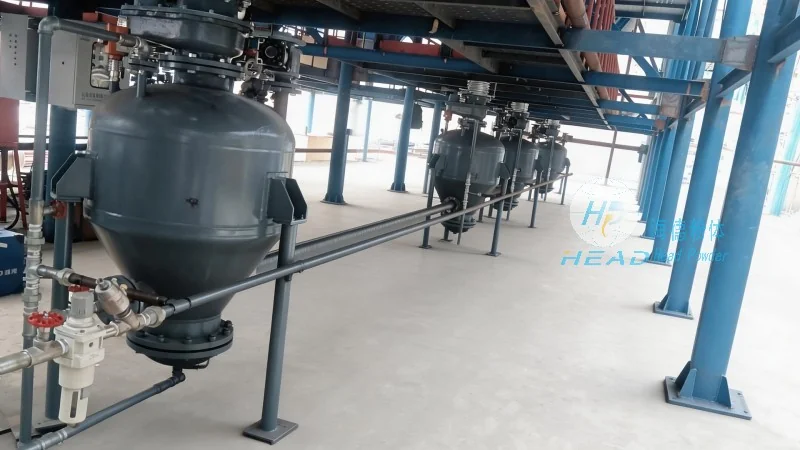
The structural principle of calcium chloride powder handling systems revolves around several critical components that work in tandem to ensure smooth operation. These include bulk storage silos or hoppers, which are typically constructed from corrosion-resistant materials like stainless steel or coated steel to withstand the chemical's effects. Conveying equipment, such as screw conveyors or pneumatic systems, is used to transport the powder from storage to processing or packaging areas. The selection of conveying method depends on factors like the material's flowability, the distance to be covered, and the required throughput. Additionally, dust control systems, including hoods and filtration units, are integral to maintaining air quality and preventing dust dispersion, which is critical for worker safety and compliance with environmental regulations.
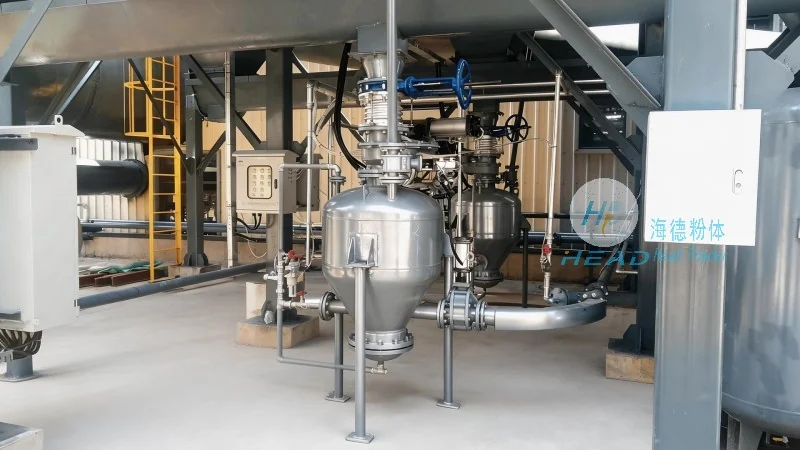
The operational principle of calcium chloride powder handling systems involves a controlled flow of material through the system. For example, screw conveyors use rotating screws to move the powder along a tube, while pneumatic systems utilize air pressure to transport the material in a sealed pipeline. Both methods require careful consideration of the material's bulk density and flow characteristics to prevent blockages or uneven flow. Safety considerations are paramount in these systems, as calcium chloride can be irritating to the skin and eyes, and its dust can cause respiratory issues. Therefore, systems are equipped with personal protective equipment (PPE) guidelines, ventilation systems, and emergency shutdown procedures to mitigate risks. Regular maintenance is also essential to ensure the longevity and reliability of the equipment, including inspections of conveyor components, silo linings, and dust control devices.
The structural design of calcium chloride powder handling systems can vary based on the specific application. For instance, in de-icing operations, systems may include specialized equipment for dispensing the powder onto roads or surfaces, often with automated controls to manage application rates. In industrial manufacturing, the systems may integrate with other processing equipment, such as mixing or granulation units, to incorporate calcium chloride into final products. The flexibility of these systems allows them to adapt to different operational needs while maintaining the core principles of efficient material handling and safety.
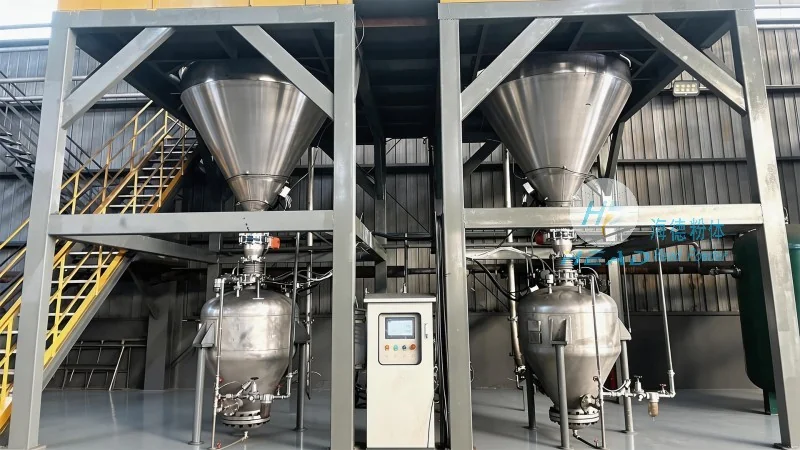
Calcium chloride powder handling systems exemplify the integration of structural engineering and operational efficiency in industrial material management. By understanding the principles behind their design and operation, users can select and maintain systems that meet their specific requirements, ensuring reliable performance and compliance with industry standards. As technology advances, ongoing improvements in material handling systems continue to enhance safety and productivity in the use of calcium chloride across various sectors.

 Shandong Headpowder Engineering Co., Ltd.
 156-6277-7102(Manager Zhang)
  0531-83386006
  Zhangqiu District, Jinan City, Shandong Province, China
telephone
WeChatconsult
top