

What is a Polypropylene Material Pneumatic Conveying System? And What Are Its Design Principles?
Polypropylene, a widely used thermoplastic polymer, often requires specialized handling solutions for its transportation and processing. In industrial settings, pneumatic conveying systems have emerged as a reliable method for moving polypropylene materials efficiently and safely. This article explores the fundamental aspects of such systems, focusing on their design principles and operational effectiveness.
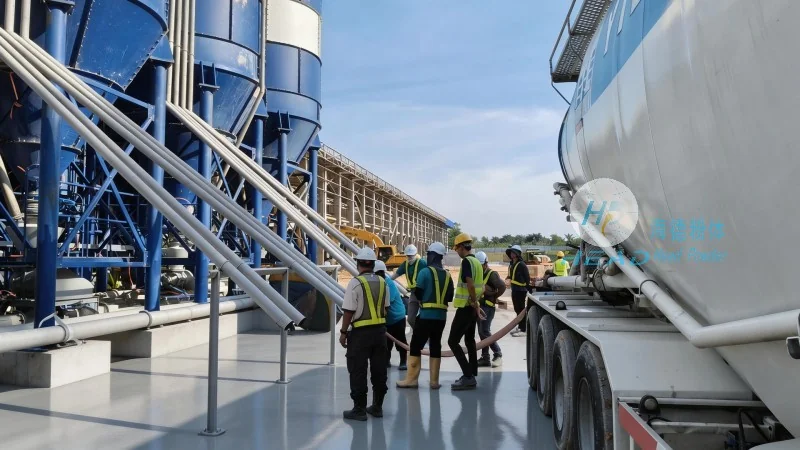
Introduction to Polypropylene Material Pneumatic Conveying Systems
Polypropylene is known for its lightweight, durability, and resistance to chemicals, making it a popular choice in various industries, including packaging, automotive, and textiles. However, due to its granular or powder form, transporting polypropylene can present challenges, such as dust generation and material segregation. Pneumatic conveying systems address these challenges by using air to transport the material through a pipeline, eliminating the need for mechanical components like belts or buckets.
Understanding the Core Function of Pneumatic Conveying Systems
The primary function of a pneumatic conveying system is to move bulk materials like polypropylene from one location to another using compressed air. The system operates by creating a pressure differential that propels the material through the pipeline. There are two main types of pneumatic conveying: positive pressure and negative pressure. Positive pressure systems use an air compressor to force air and material into the pipeline, while negative pressure systems use a vacuum to draw the material into the pipeline.
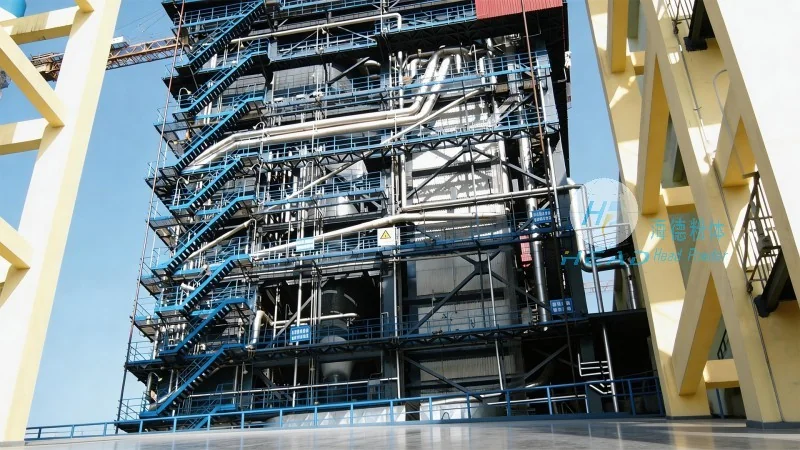
Key Design Principles for Efficient Polypropylene Handling
The design of a polypropylene material pneumatic conveying system involves several critical principles to ensure optimal performance. First, the system must be tailored to the specific characteristics of polypropylene, such as its density, flowability, and potential for static charge accumulation. These factors directly influence the choice of air velocity, pipeline diameter, and the type of conveying equipment. For example, higher air velocities may be required for finer polypropylene powders to prevent clogging, while larger diameters are needed for bulkier granules to maintain flow rates.
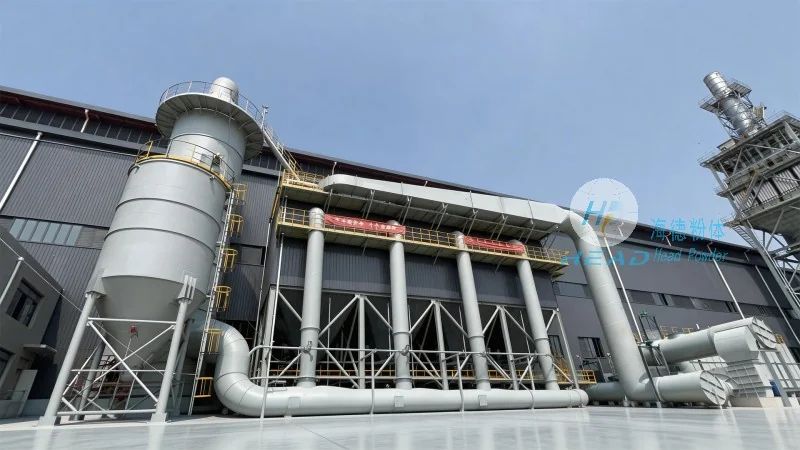
Components and Their Roles in the System
Key components of the system include the material feed hopper, which ensures a consistent flow of polypropylene into the system; the air compressor, which generates the necessary pressure to move the material; and the conveying pipeline, which can be either positive or negative pressure depending on the application. The system may also incorporate filters and cyclones to separate the material from the air stream, preventing contamination and ensuring clean operation. Additionally, the system includes control valves and sensors to monitor pressure, flow rate, and material level, allowing for real-time adjustments to maintain system efficiency.
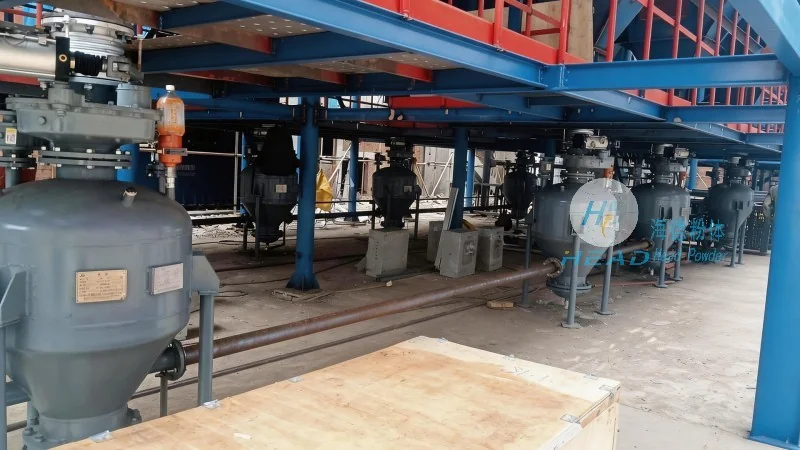
How the System Ensures Safe and Effective Material Transport
Safety is a paramount consideration in polypropylene handling, as the material can be prone to static electricity, which may cause sparks or explosions in certain environments. Therefore, the design incorporates grounding and bonding measures to dissipate static charges. Additionally, the system is engineered to minimize material degradation, which is crucial for maintaining the quality of polypropylene products. This is achieved through the use of smooth, non-abrasive pipeline materials and low-velocity conveying where possible.
The Role of HeadPowder in Engineering and Implementing These Systems
HeadPowder, a leading engineering company based in Shandong, China, specializes in the design, manufacturing, and implementation of advanced material handling solutions. With a strong commitment to quality and innovation, HeadPowder has become a trusted partner for industries dealing with polypropylene and other bulk materials. The company leverages its expertise in fluid dynamics, materials science, and industrial engineering to develop customized pneumatic conveying systems that meet the unique requirements of each client. By focusing on efficiency, safety, and durability, HeadPowder ensures that its systems provide long-term value and reliability.