With more than 10‑year industry experience, Shandong Headpowder delivers full‑service pneumatic‑conveying systems and blowers, undertaking nationwide turn‑key powder‑handling projects.
Calcium hydroxide, commonly known as slaked lime, is a widely used chemical in various industrial applications. The efficient and safe transportation of this powder is crucial for maintaining production efficiency and ensuring product quality. This article provides an overview of the powder conveying systems used for calcium hydroxide, focusing on their structural design and operational principles.
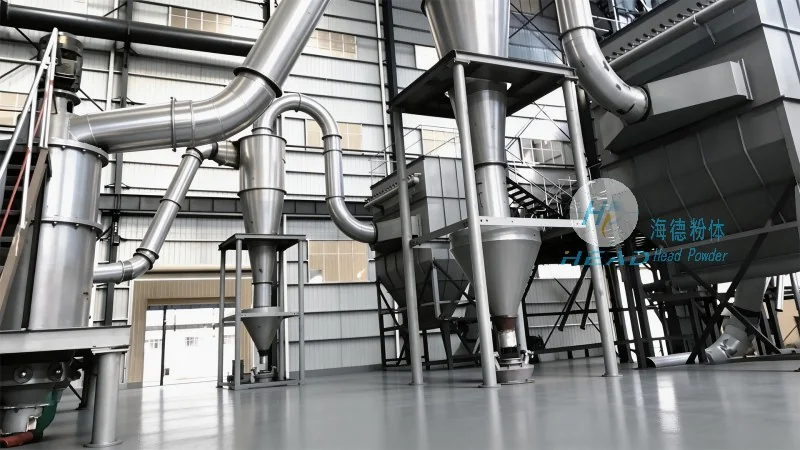
HeadPowder, a leading manufacturer in the field of powder handling technology, specializes in developing and supplying advanced conveying solutions. With a strong commitment to innovation and quality, the company has established itself as a trusted partner for industries relying on calcium hydroxide processing. HeadPowder is headquartered in Shandong, China, where its state-of-the-art facilities and experienced engineering team ensure the production of reliable and efficient powder conveying equipment.
Powder conveying for calcium hydroxide typically involves systems designed to handle the material's characteristics, such as its fine particle size and potential for dust generation. These systems are engineered to ensure minimal product degradation, consistent flow rates, and safe operation. The primary components of a typical powder conveying system include feeders, conveyors, and control mechanisms, all working in tandem to transport the material from storage to processing or packaging areas.
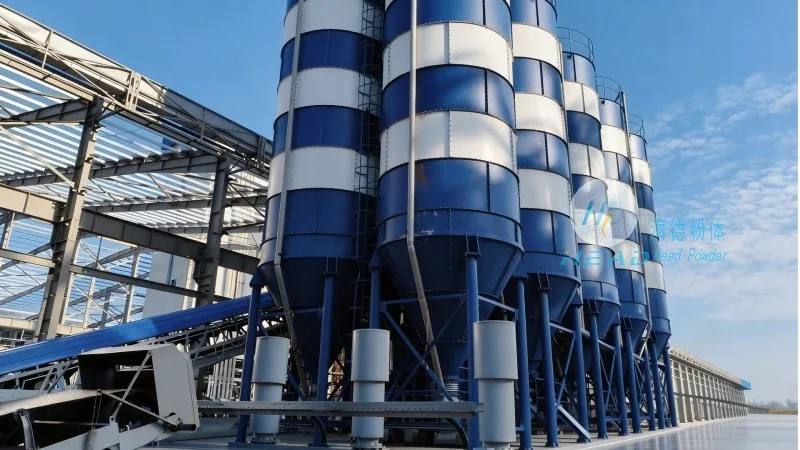
The structural design of calcium hydroxide powder conveying equipment is tailored to address the unique challenges posed by the material. Key design considerations include material compatibility, dust containment, and energy efficiency. The equipment is constructed from materials resistant to corrosion and wear, such as stainless steel or specialized alloys, to withstand the chemical properties of calcium hydroxide. Additionally, the design incorporates features like sealed housing and proper ventilation to prevent dust leakage and ensure operator safety. The layout of the system, including the placement of feeders, conveyors, and transfer points, is optimized to minimize material buildup and facilitate easy maintenance.
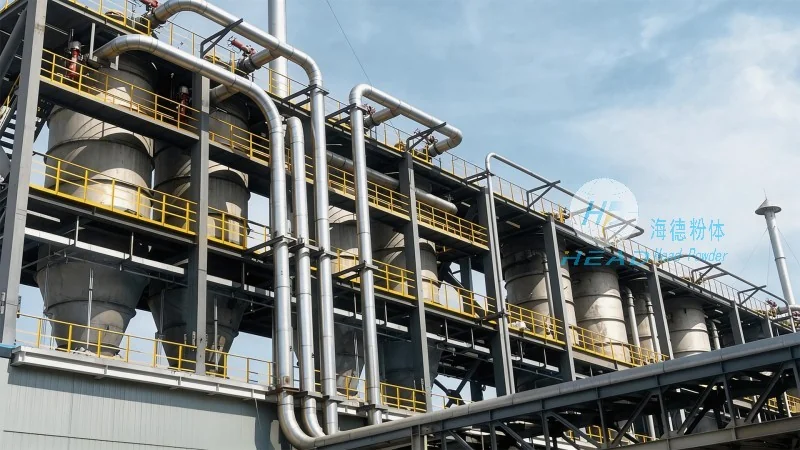
The operational principle of calcium hydroxide powder conveying systems revolves around the controlled movement of the material through the equipment. Feeders, such as rotary or vibratory types, are used to regulate the flow rate of the powder, ensuring a consistent feed to the conveyor. The conveyor itself, often a pneumatic or mechanical system, transports the material along the designated path. Pneumatic conveying systems utilize air pressure to move the powder through pipelines, while mechanical conveyors rely on belts or screws to transport the material. The control mechanisms, including sensors and valves, monitor and adjust the system parameters to maintain optimal performance and prevent issues like blockages or overloading.
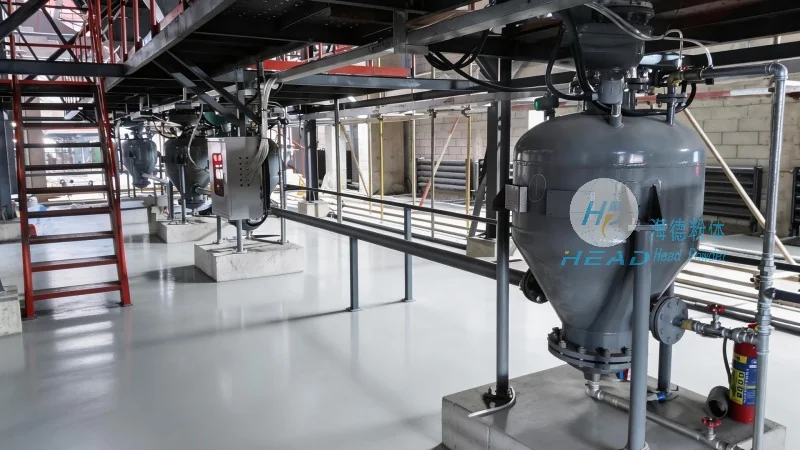
Modern powder conveying systems for calcium hydroxide offer several advantages over traditional methods. These include improved efficiency in material handling, reduced labor costs, and enhanced safety through minimized dust exposure. The advanced design also allows for better control over the material's temperature and moisture content, which is critical for maintaining the quality of calcium hydroxide products. Furthermore, the modular nature of these systems enables easy integration with existing production lines and facilitates scalability as production needs evolve.
In conclusion, the efficient transportation of calcium hydroxide powder is essential for industrial processes, and the structural design and operational principles of conveying systems play a pivotal role in achieving this goal. HeadPowder, with its expertise and commitment to quality, provides reliable solutions that meet the specific requirements of calcium hydroxide handling. By understanding the key components and principles of powder conveying, industries can optimize their operations and ensure the consistent production of high-quality calcium hydroxide products.

 Shandong Headpowder Engineering Co., Ltd.
 156-6277-7102(Manager Zhang)
  0531-83386006
  Zhangqiu District, Jinan City, Shandong Province, China
telephone
WeChatconsult
top