With more than 10‑year industry experience, Shandong Headpowder delivers full‑service pneumatic‑conveying systems and blowers, undertaking nationwide turn‑key powder‑handling projects.
HeadPowder, a leading provider in the field of powder handling technology, specializes in the efficient and reliable transportation of copper sulfate powders. This article provides an overview of the structural principles and operational mechanisms involved in copper sulfate powder handling systems, tailored to meet the specific needs of industrial applications.
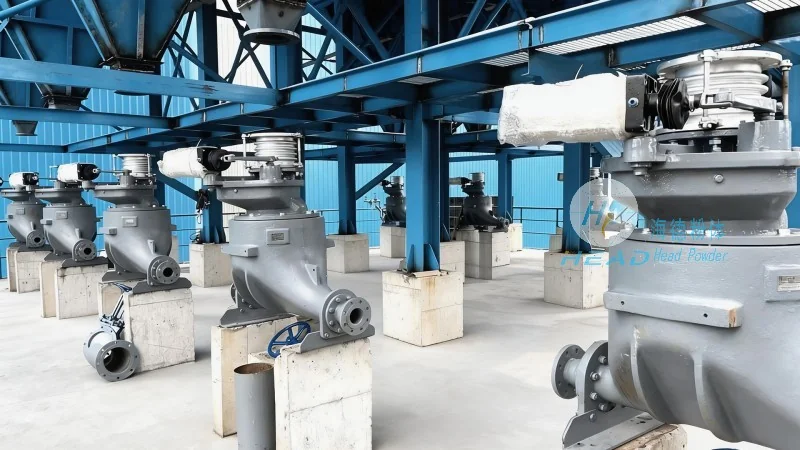
HeadPowder, operating under the full name Shandong HeadPowder Engineering Co., Ltd., is headquartered in Shandong, China. Our company is dedicated to delivering high-quality powder handling solutions, including systems for copper sulfate and other industrial powders. The location in Shandong positions us strategically to serve a wide range of industrial sectors, ensuring proximity to key markets and supply chains.
Copper sulfate, a common industrial chemical, is often handled in bulk powder form for various applications, such as agriculture, water treatment, and chemical manufacturing. Efficient powder handling is crucial to maintain product integrity, minimize material loss, and ensure safe operation. The structural design of copper sulfate handling systems plays a vital role in achieving these objectives.
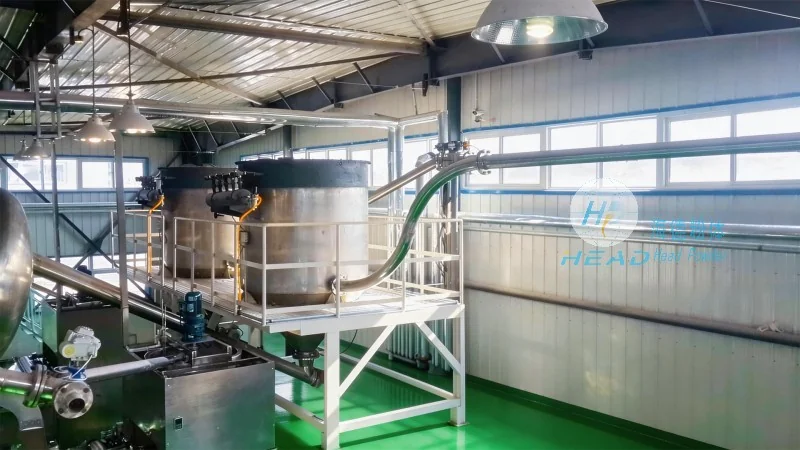
The core of any copper sulfate powder handling system consists of several interconnected components, each designed to perform a specific function while ensuring the overall system operates smoothly. These components include feeders, conveyors, storage silos, and control systems. Each part is engineered to handle the unique properties of copper sulfate, such as its particle size, moisture content, and flow characteristics.
Feeders are critical components in copper sulfate powder handling, responsible for controlling the flow rate of the material from storage silos to the conveyor system. Different types of feeders, such as rotary valves and screw feeders, are used depending on the specific requirements of the application. Rotary valves are particularly effective for handling fine powders like copper sulfate, as they provide a consistent and controlled discharge rate, preventing material bridging and ensuring smooth operation.
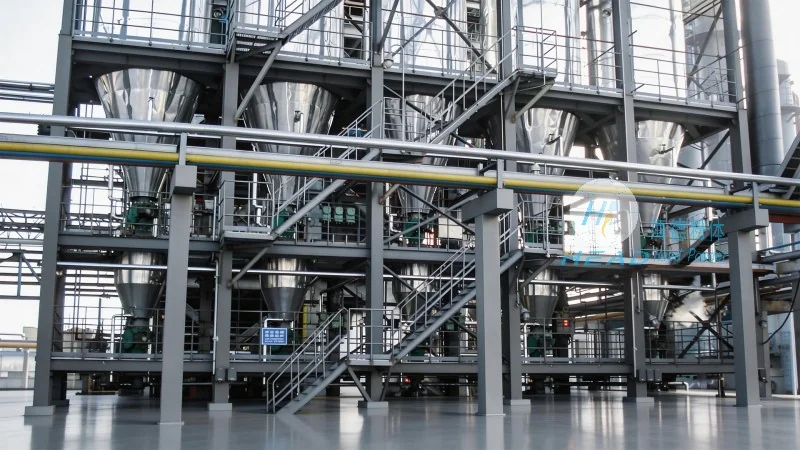
Conveyors are the backbone of copper sulfate powder handling, responsible for transporting the material from the feeder to the processing or storage areas. Various conveyor types, including belt conveyors and pneumatic conveyors, are employed based on the distance, height, and material characteristics. Belt conveyors are widely used for horizontal and slight incline transport due to their high capacity and reliability. Pneumatic conveyors, on the other hand, are ideal for long-distance or vertical transport, utilizing air pressure to move the powder through a pipeline.
Storage silos are essential for storing large quantities of copper sulfate powder, providing a stable and controlled environment to maintain the material's quality. The design of these silos is crucial, as it must prevent material segregation, compaction, and moisture absorption. The silos are typically made of durable materials, such as steel or concrete, with internal liners to protect against corrosion from the copper sulfate. The structural integrity of the silos ensures safe and efficient storage, reducing the risk of accidents and material degradation.
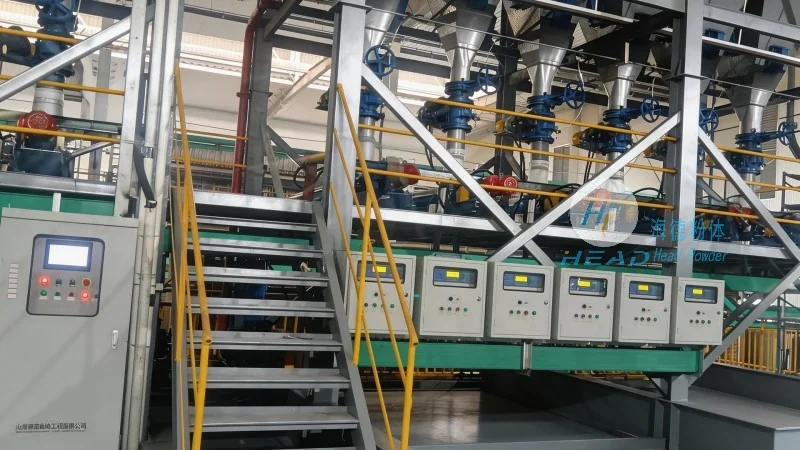
Modern copper sulfate powder handling systems incorporate advanced control systems to monitor and regulate the entire process. These systems use sensors and automation to ensure consistent flow rates, detect blockages or overflows, and adjust the operation of feeders and conveyors as needed. The integration of control systems enhances operational efficiency, reduces downtime, and improves overall productivity. By leveraging real-time data and automated controls, companies can optimize their copper sulfate handling processes, leading to cost savings and improved product quality.
When handling copper sulfate powders, safety is a top priority. The structural design of the handling system must comply with industry standards and regulations to prevent dust explosions, material contamination, and operational hazards. Proper ventilation, dust collection systems, and material handling equipment are integrated into the design to mitigate risks. Additionally, regular maintenance and inspections are essential to ensure the system operates safely and efficiently over time.

 Shandong Headpowder Engineering Co., Ltd.
 156-6277-7102(Manager Zhang)
  0531-83386006
  Zhangqiu District, Jinan City, Shandong Province, China
telephone
WeChatconsult
top