

What is a Silicon Carbide Material Pneumatic Conveying System? What are its Design Principles?
For industrial applications involving the handling of silicon carbide (SiC) materials, efficient and reliable material transport is crucial. A pneumatic conveying system specifically designed for silicon carbide offers a solution that minimizes material degradation while ensuring smooth operation. This article explores the concept of a silicon carbide material pneumatic conveying system and delves into its underlying design principles, highlighting the technical aspects that make such systems effective for industrial use.
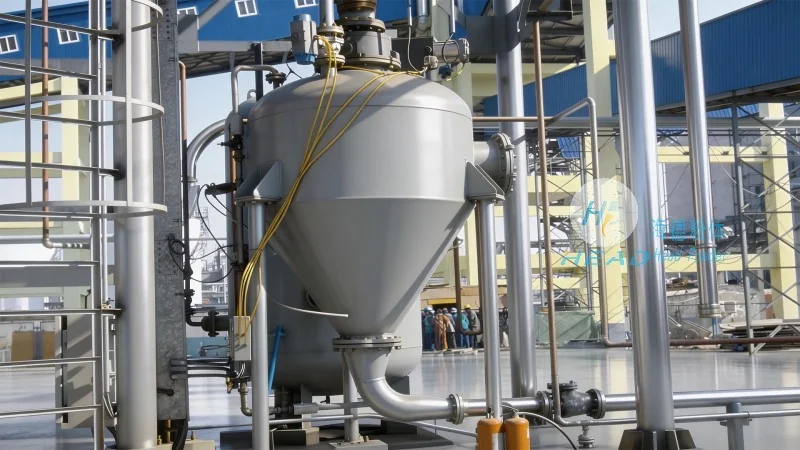
Understanding the Silicon Carbide Material Pneumatic Conveying System
Silicon carbide is a high-performance ceramic material widely used in various industries, including electronics, automotive, and aerospace, due to its exceptional hardness, thermal stability, and chemical resistance. When handling SiC powders or granules, traditional mechanical conveying methods may cause particle attrition, leading to product quality issues. A pneumatic conveying system provides an alternative that uses air or other gases to transport the material through a pipeline, reducing the risk of contamination and maintaining the integrity of the silicon carbide particles.
Key Design Principles of the System
The design of a silicon carbide material pneumatic conveying system is based on several critical principles to ensure optimal performance. First, the system must be capable of handling the specific physical properties of silicon carbide, such as its particle size distribution, density, and flow characteristics. The selection of the conveying air velocity is a key factor; it must be high enough to keep the material in suspension but low enough to prevent excessive wear on the system components. Additionally, the system incorporates appropriate equipment, including feeders, cyclones, and filters, to manage the material flow and maintain system efficiency.
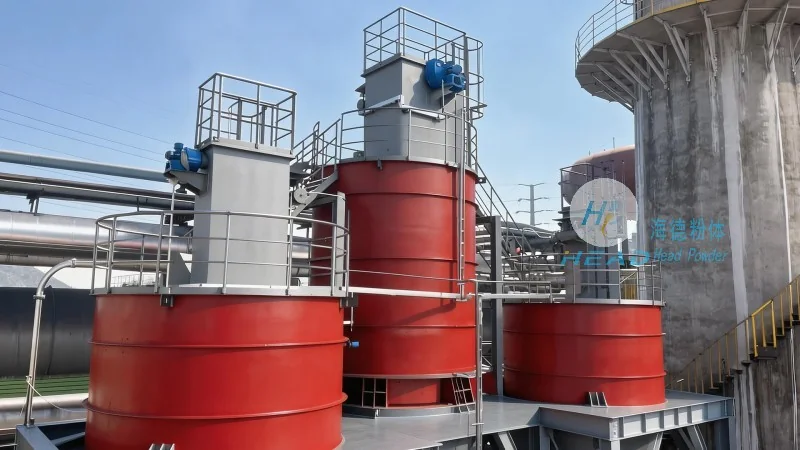
Components and Their Functions
HeadPowder, a leading engineering company based in Shandong, China, specializes in the design and manufacturing of pneumatic conveying systems tailored to the needs of silicon carbide applications. The core components of their system include a material feeder that accurately controls the flow rate of SiC, a conveying pipeline that transports the material using compressed air, and a collection unit that separates the material from the air stream. The company’s engineering expertise ensures that each component is optimized for the unique demands of silicon carbide, resulting in a system that is both durable and efficient.
Advantages of the Pneumatic Conveying System
Implementing a silicon carbide material pneumatic conveying system offers several advantages over traditional methods. It eliminates the need for mechanical parts that come into direct contact with the material, reducing the risk of contamination and wear. The system also allows for a more compact layout, as the material is transported through a pipeline rather than on conveyor belts or buckets. Furthermore, the ability to control the conveying rate precisely helps in maintaining consistent product quality and reducing waste. These benefits make the pneumatic conveying system an attractive solution for industries that rely on high-purity silicon carbide materials.
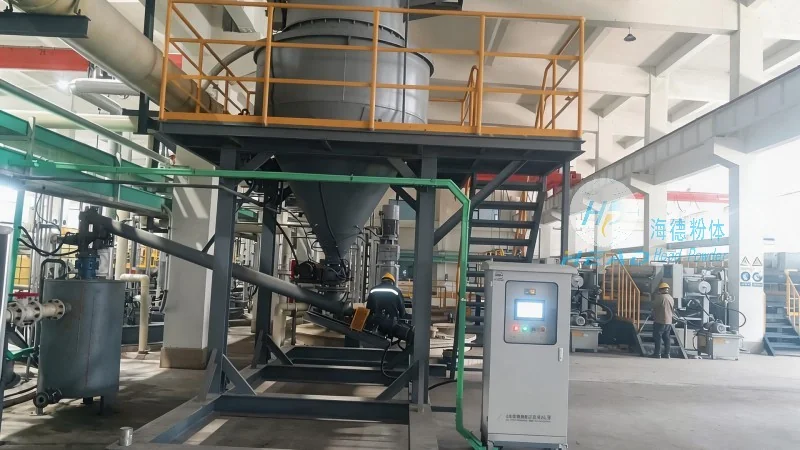
Application Examples and Industry Impact
The effectiveness of the silicon carbide material pneumatic conveying system is demonstrated in various industrial applications. For instance, in the production of SiC-based ceramics, the system ensures that the raw material is transported without degradation, leading to higher-quality end products. In the automotive sector, where SiC is used in brake pads and other components, the system maintains the material’s performance characteristics, contributing to the reliability of the final parts. The consistent performance of the system also supports process automation, reducing labor costs and improving overall productivity.
Conclusion
In summary, a silicon carbide material pneumatic conveying system is a sophisticated solution for the efficient handling of this high-performance ceramic material. The design principles, including optimized air velocity, specialized components, and precise control mechanisms, ensure that the system operates reliably and maintains the integrity of the silicon carbide particles. HeadPowder, with its expertise in engineering, provides these systems tailored to the specific needs of industries, offering a durable and efficient solution for material transport. The adoption of such systems not only improves operational efficiency but also enhances product quality, making it a valuable investment for companies in the silicon carbide industry.