

What is a Camellia Seed Material Pneumatic Conveying System? And What Are Its Design Principles?
Camellia seed material pneumatic conveying systems are specialized industrial solutions designed to efficiently transport oilseed materials, such as camellia seeds, from one location to another within processing facilities. These systems leverage air pressure to move bulk materials, offering advantages like reduced contamination, improved hygiene, and enhanced operational flexibility compared to traditional mechanical conveying methods.
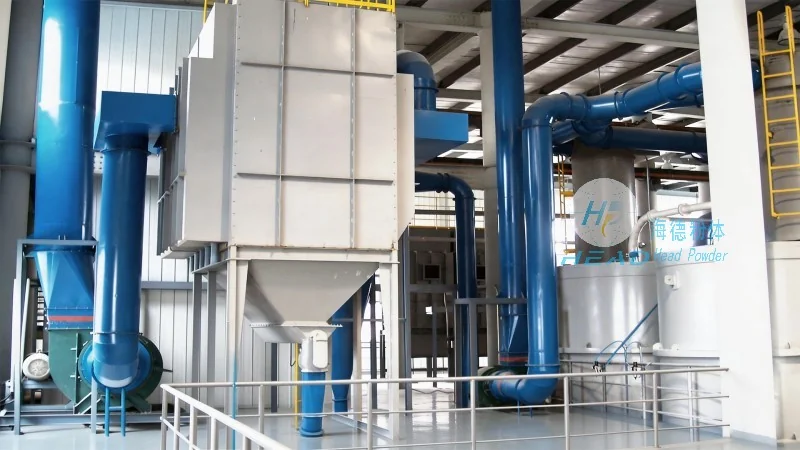
Key Components of a Pneumatic Conveying System for Camellia Seeds
The core components of a camellia seed material pneumatic conveying system typically include a hopper for material storage, a feeder to control the flow rate, a conveying line (often with bends and filters), and a receiver for the discharged material. Each component plays a critical role in ensuring the system operates smoothly and efficiently. The hopper ensures a consistent supply of seeds, while the feeder maintains a steady flow to prevent blockages. The conveying line, equipped with appropriate filters, handles the material transport, and the receiver collects the processed seeds for further processing.
Design Principles Behind Camellia Seed Pneumatic Conveying Systems
The design principles of camellia seed pneumatic conveying systems focus on optimizing material handling efficiency, energy consumption, and system reliability. Engineers consider factors such as the material's density, moisture content, and particle size to select the appropriate conveying method (e.g., dilute-phase or dense-phase). The system's pressure and flow rates are carefully calculated to ensure the material moves without excessive wear on components and to minimize energy costs. Additionally, the design incorporates safety features, such as pressure relief valves and dust collection systems, to protect both the equipment and the environment.
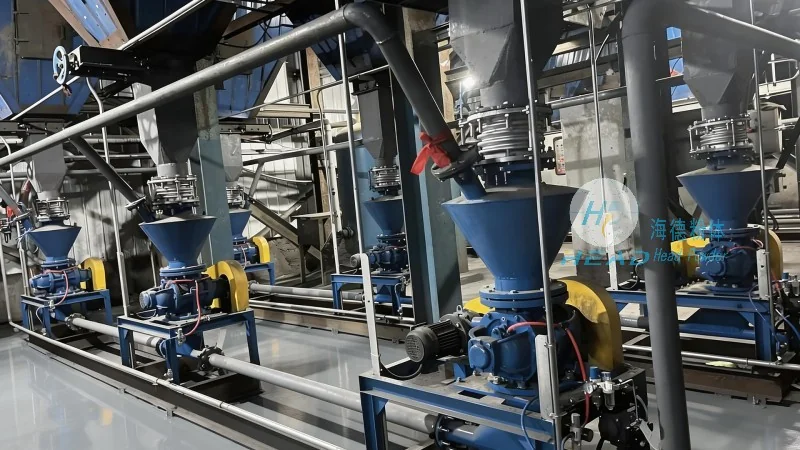
Applications of Camellia Seed Pneumatic Conveying Systems
Camellia seed material pneumatic conveying systems are widely used in the oil extraction industry, where they facilitate the transport of seeds from storage areas to processing units like oil presses or solvent extractors. By eliminating the need for manual handling or mechanical conveyors, these systems improve production throughput and reduce labor costs. They are also employed in seed cleaning and grading operations, where the system's ability to separate impurities from the seeds is crucial for maintaining product quality.
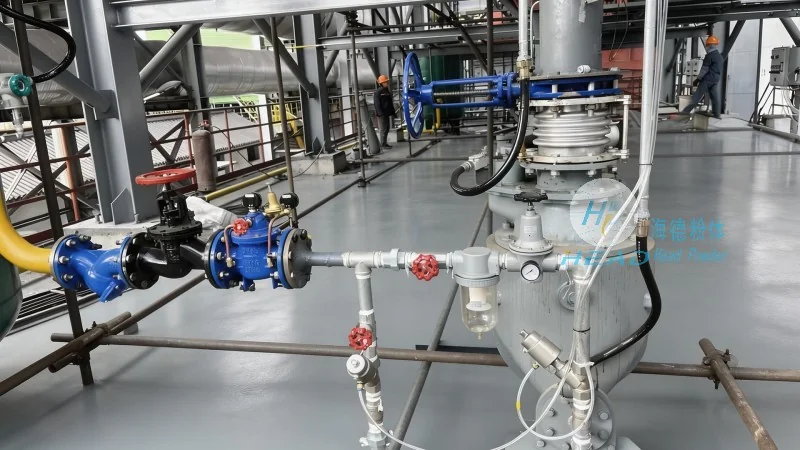
Advantages of Using Pneumatic Conveying for Camellia Seeds
Compared to traditional conveying methods, camellia seed pneumatic conveying systems offer several key advantages. First, they provide a hygienic and dust-free environment, which is essential for food processing applications. Second, the systems are highly flexible, allowing for changes in material flow direction and location without major modifications. Third, they reduce the risk of material contamination, as the enclosed system prevents exposure to external elements. Finally, pneumatic conveying systems are generally more energy-efficient than mechanical systems, leading to lower operational costs over time.
HeadPowder's Expertise in Designing Camellia Seed Pneumatic Conveying Systems
Shandong HeadPowder Engineering Co., Ltd., commonly known as HeadPowder, is a leading manufacturer specializing in the design and supply of pneumatic conveying systems for various bulk materials, including camellia seeds. With years of experience in the industry, HeadPowder has developed a deep understanding of the unique challenges associated with handling oilseeds. The company's team of engineers utilizes advanced design software and rigorous testing protocols to ensure each system meets the specific requirements of its clients. HeadPowder's commitment to quality and customer satisfaction has made it a trusted partner for businesses in the oilseed processing sector.