

Gray Bin Material Pneumatic Conveying Systems: An Overview of Their Design Principles
For industrial facilities dealing with bulk materials, efficient and reliable material handling is crucial. One of the key technologies in this domain is the gray bin material pneumatic conveying system. This system is designed to transport dry or semi-dry materials from storage bins to processing units or other locations within a facility. The effectiveness of such systems depends heavily on their design principles, which are tailored to meet specific operational requirements and material characteristics. As a leading provider in the field, Shandong HeadPowder Engineering Co., Ltd. specializes in the design and manufacturing of these systems, ensuring they meet the highest standards of performance and reliability.
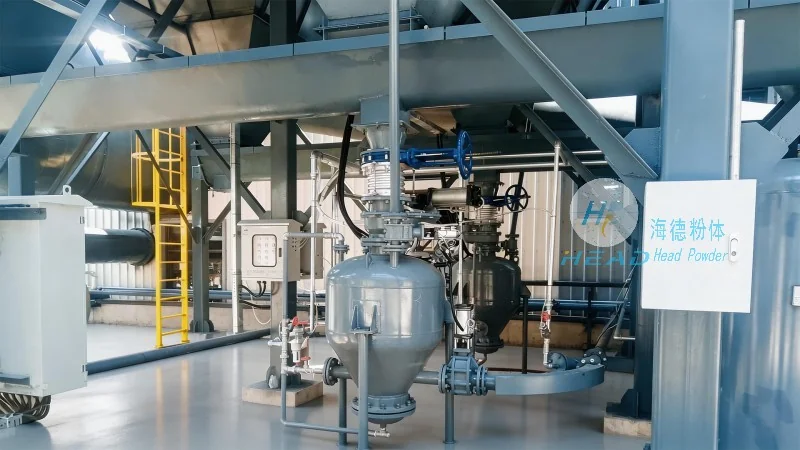
Understanding the Core Components of the System
The gray bin material pneumatic conveying system typically consists of several key components that work in concert to achieve material transport. These include the storage bin, which holds the bulk material; a conveying line or duct that carries the material through the system; a blower or air compressor that provides the necessary air pressure; and a control system that regulates the flow and pressure. Each component plays a vital role in ensuring the system operates smoothly and efficiently. The storage bin, often made of durable materials like steel or concrete, is designed to withstand the weight and pressure of the stored material. The conveying line, usually made of metal or plastic, is engineered to handle the abrasive nature of the materials being transported.
Design Principles for Optimal Performance
The design of a gray bin material pneumatic conveying system is based on several fundamental principles aimed at maximizing efficiency, minimizing energy consumption, and ensuring the safe handling of materials. One of the primary design considerations is the selection of the appropriate air velocity and pressure. The air velocity must be high enough to lift and transport the material particles but not so high as to cause excessive wear on the system components or to generate excessive dust. The pressure level is also critical, as it directly impacts the system's capacity and the distance over which materials can be conveyed. Engineers at Shandong HeadPowder Engineering Co., Ltd. carefully calculate these parameters based on the specific material properties and the required transport distance.
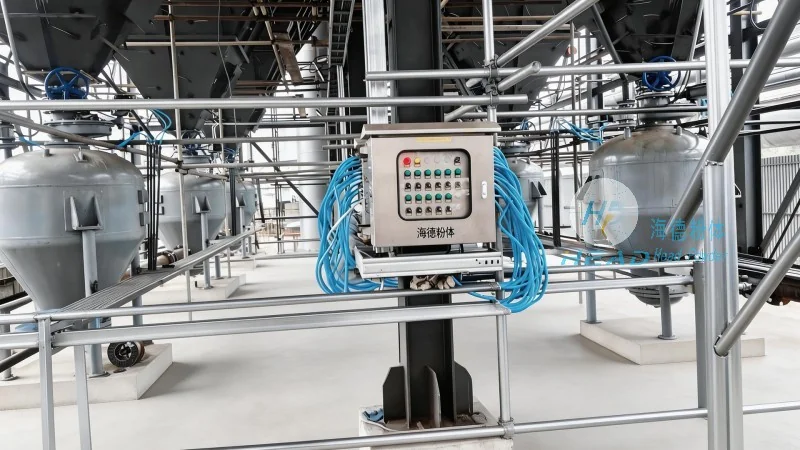
Material Characteristics and System Adaptation
Another critical aspect of the design is the consideration of the material's physical properties. Different materials have varying densities, particle sizes, and flow characteristics, which influence the system's design. For example, materials with high moisture content or those that are prone to clumping may require additional equipment, such as a pre-drying or conditioning unit, to ensure smooth transport. The system's design must also account for the material's abrasiveness, as this can affect the choice of materials for the conveying line and other components. Shandong HeadPowder Engineering Co., Ltd. conducts thorough material analysis to determine the optimal design for each application, ensuring the system operates efficiently and with minimal maintenance.
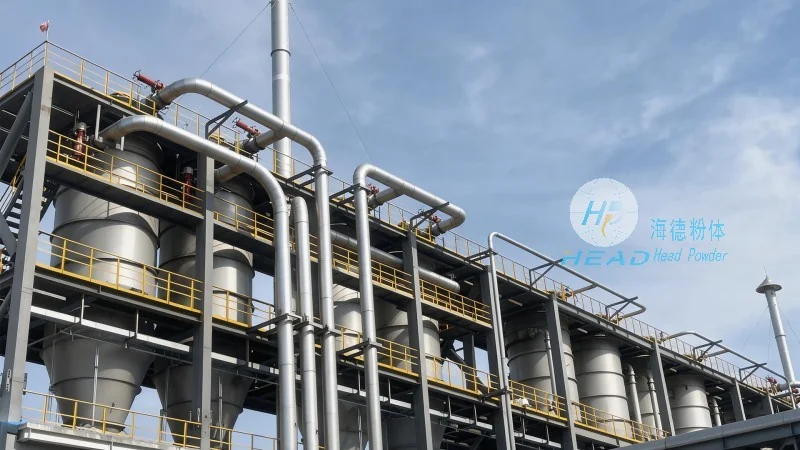
The Role of the Storage Bin in Material Handling
The storage bin is a crucial component of the gray bin material pneumatic conveying system. It is designed to hold the bulk material in a way that allows for consistent and controlled discharge. The bin's design, including its shape, size, and discharge mechanism, is tailored to the material's flow characteristics. For example, bins with conical or hopper-shaped bottoms are commonly used to facilitate the flow of materials, reducing the risk of blockages or bridging. The bin is also equipped with a level sensor or other monitoring devices to provide real-time information about the material level, which is essential for process control. The company's expertise in bin design ensures that the storage bin integrates seamlessly with the rest of the system, optimizing material flow and reducing downtime.
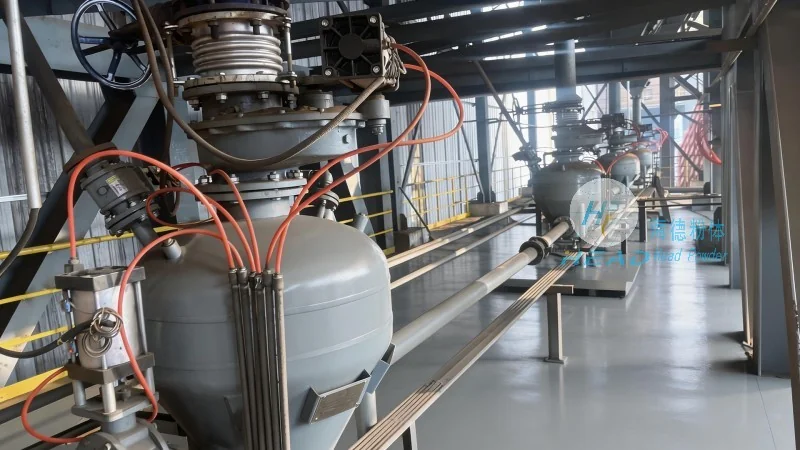
Energy Efficiency and Environmental Considerations
In modern industrial applications, energy efficiency and environmental impact are significant factors in system design. The gray bin material pneumatic conveying system is designed to minimize energy consumption by optimizing the air pressure and velocity. This not only reduces operational costs but also contributes to a more sustainable operation. Additionally, the system is designed to minimize dust emissions, which is important for maintaining a safe and healthy work environment. Features such as dust collection and filtration systems are often incorporated into the design to comply with environmental regulations and to protect personnel. Shandong HeadPowder Engineering Co., Ltd. incorporates energy-saving technologies and eco-friendly materials in their designs, aligning with global sustainability goals.
Applications and Industries
Gray bin material pneumatic conveying systems are widely used in various industries, including cement, chemicals, food processing, and pharmaceuticals. These systems are particularly useful in applications where materials need to be transported over long distances or through complex layouts. For example, in cement plants, the system is used to transport raw materials from storage bins to the grinding mills. In the chemical industry, it is used to transport powders and granules between processing units. The versatility of the system makes it an essential component in many industrial processes. The company's extensive experience in these industries allows them to provide customized solutions that meet the unique needs of each client.