With more than 10‑year industry experience, Shandong Headpowder delivers full‑service pneumatic‑conveying systems and blowers, undertaking nationwide turn‑key powder‑handling projects.
HeadPowder, a leading manufacturer in the field of pneumatic conveying systems, specializes in the design and production of equipment for transporting metal particles efficiently and reliably. This article provides an overview of the technology, structural principles, and key components involved in pneumatic conveying for metal particles, along with insights into the operational mechanisms that enable smooth material handling.
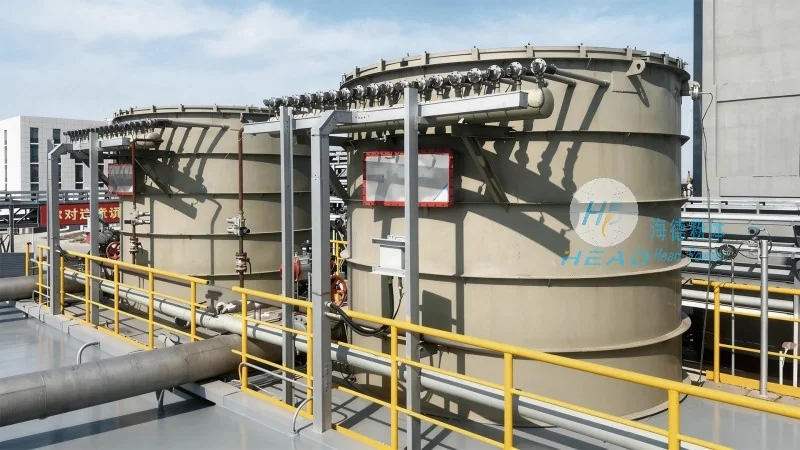
HeadPowder, operating under the full name Shandong HeadPowder Engineering Co., Ltd., is headquartered in Shandong, China. The company has established itself as a trusted provider of advanced pneumatic conveying solutions tailored to the specific needs of industries dealing with metal powders and granules. With a focus on innovation and precision engineering, HeadPowder delivers systems that enhance productivity, reduce downtime, and ensure the integrity of metal particles during transport.
The pneumatic conveying system for metal particles typically consists of several critical components that work in concert to achieve efficient material transport. These include the hopper or feed hopper, which stores and feeds the metal particles into the system; the air compressor or blower, which generates the necessary airflow to move the particles; the pipeline network, which transports the particles from the source to the destination; and the receiver or discharge hopper, where the particles are collected. Each component is designed to handle the unique properties of metal particles, such as their density, size distribution, and potential for abrasiveness.
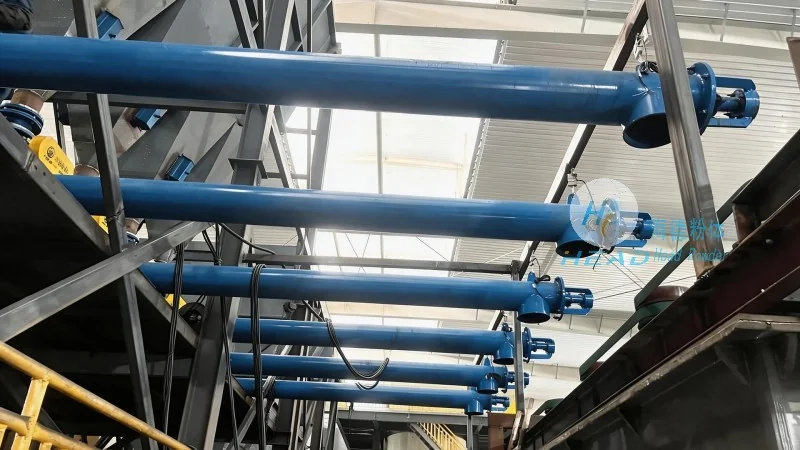
The structural principles of pneumatic conveying for metal particles revolve around the use of air as the conveying medium. There are two primary modes of operation: dilute phase and dense phase. In dilute phase conveying, particles are suspended in the air stream and transported at relatively high velocities, typically in vertical or inclined pipelines. This method is suitable for short to medium distances and is commonly used for fine metal powders. In dense phase conveying, particles are conveyed in a slurry-like state, with lower air velocities and higher particle concentrations, which is ideal for longer distances and bulk metal granules.
Compared to traditional mechanical conveying methods, pneumatic conveying offers several advantages when handling metal particles. These include the ability to transport materials in a closed system, which minimizes dust emissions and contamination, a key consideration for metal powders used in precision applications. Additionally, pneumatic systems can handle a wide range of particle sizes and shapes, from fine powders to larger granules, without the need for additional processing. The flexibility of the system allows for easy integration into existing production lines, and the reduced maintenance requirements compared to mechanical conveyors contribute to lower operational costs over time.
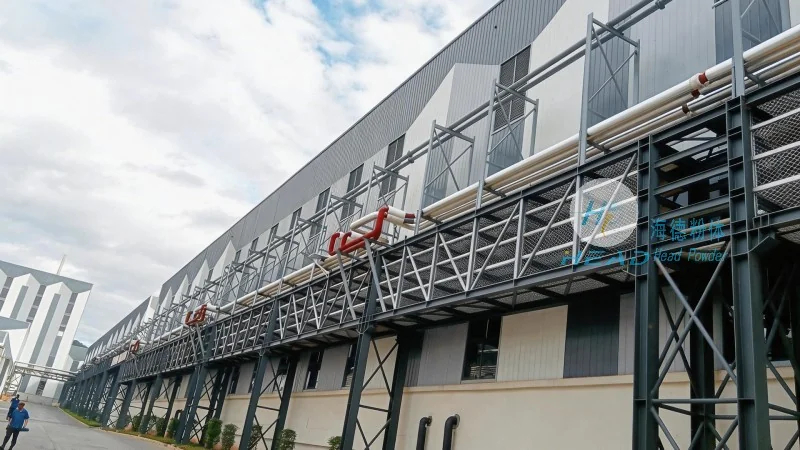
HeadPowder's pneumatic conveying systems are widely used in various industries that rely on metal particles, including aerospace, electronics, and pharmaceuticals. In the aerospace industry, for example, fine metal powders are used in the production of high-performance components, and the precise control offered by pneumatic systems ensures that the particles remain uncontaminated and free-flowing. In the electronics sector, metal powders are used in the manufacturing of printed circuit boards (PCBs), where the cleanliness and consistency of the material are critical. HeadPowder's systems help maintain these standards by providing a reliable and efficient transport solution.
As industries continue to demand higher efficiency and precision in material handling, the importance of advanced pneumatic conveying systems for metal particles cannot be overstated. HeadPowder, with its commitment to innovation and quality, remains at the forefront of developing solutions that meet these evolving needs. By understanding the structural principles and operational mechanisms of these systems, users can make informed decisions about implementing effective material transport solutions that enhance productivity and ensure product quality.

 Shandong Headpowder Engineering Co., Ltd.
 156-6277-7102(Manager Zhang)
  0531-83386006
  Zhangqiu District, Jinan City, Shandong Province, China
telephone
WeChatconsult
top