With more than 10‑year industry experience, Shandong Headpowder delivers full‑service pneumatic‑conveying systems and blowers, undertaking nationwide turn‑key powder‑handling projects.
For agricultural and food processing industries, the efficient handling of bulk materials like oats is crucial for maintaining product quality and operational efficiency. Pneumatic conveying systems offer a reliable solution by transporting oats through the use of air pressure, eliminating the need for mechanical components that can cause contamination or wear. This article explores the classification and key components of oat pneumatic conveying systems, highlighting the expertise of Shandong HeadPowder Engineering Co., Ltd., a leading manufacturer in the field.
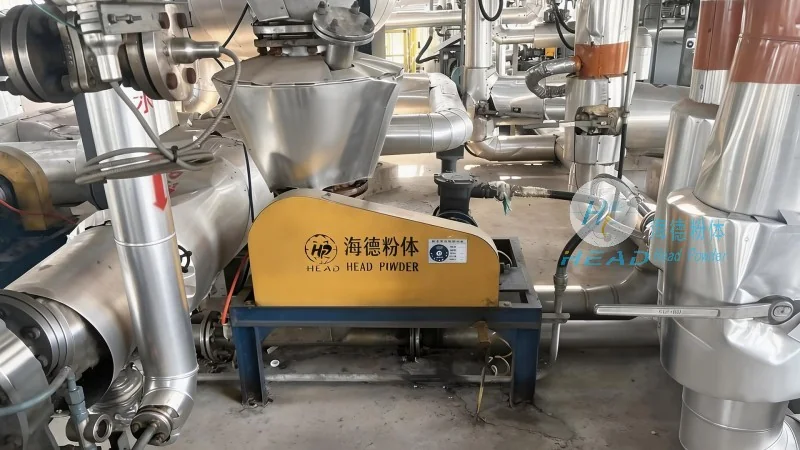
Oat pneumatic conveying systems are typically classified based on the direction of air flow and the method of material transport. The primary categories include:
Regardless of the classification, an oat pneumatic conveying system consists of several critical components that work in tandem to ensure smooth operation. These components are designed to handle the unique properties of oats, such as their size, density, and susceptibility to breakage.
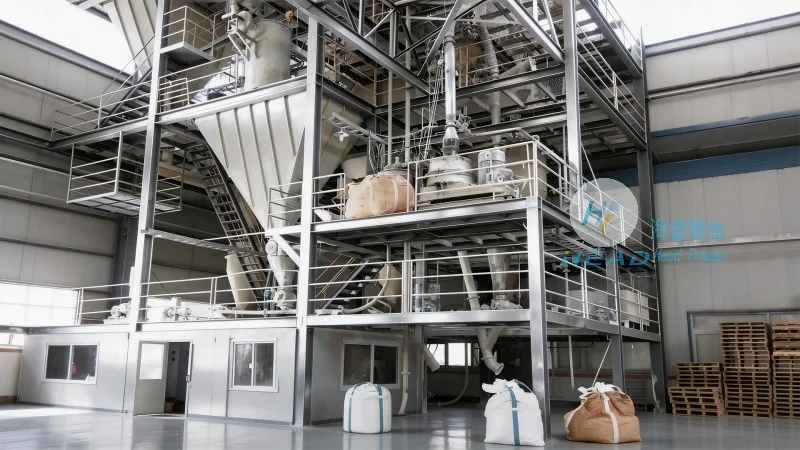
The feeding system is the first stage of the conveying process, responsible for introducing oats into the pipeline. For oats, this often involves a hopper or silo equipped with a rotary valve or star feeder to regulate the flow rate. Conditioning equipment, such as a vibrating feeder or a pre-cleaner, may be added to remove foreign objects and ensure consistent material quality. Shandong HeadPowder Engineering Co., Ltd. specializes in designing feeding systems that minimize material degradation and maintain uniform flow, which is essential for preserving the nutritional value of oats.
The pipeline is the core of the pneumatic conveying system, typically made of stainless steel or plastic to withstand the abrasive nature of oats and prevent contamination. The design of the pipeline, including bends, elbows, and straight sections, is critical for maintaining air velocity and preventing material buildup. Air distribution components, such as airlocks and check valves, are integrated to control the flow of air and material, ensuring efficient transport without backflow or clogging.
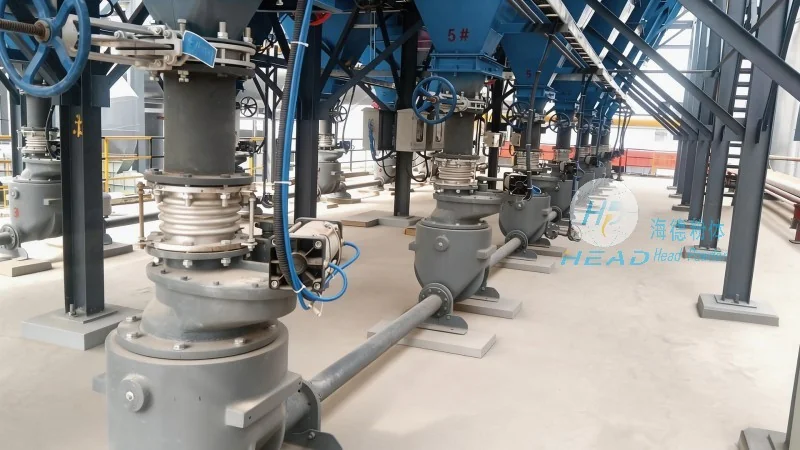
As oats travel through the pipeline, they may carry fine particles or dust. Separation equipment, such as cyclone separators or bag filters, is used to remove these contaminants from the air stream. This not only protects downstream equipment but also ensures that the transported oats remain clean and free from impurities. The separation efficiency of the system directly impacts the quality of the final product, making it a vital component in oat processing.
The air source, usually a blower or compressor, provides the necessary pressure and volume of air to move the oats. The control system manages the operation of the blower, feeding equipment, and separation units, ensuring that the system operates within optimal parameters. Modern systems often include variable frequency drives (VFDs) to adjust the air flow based on the material load, improving energy efficiency and reducing operational costs.
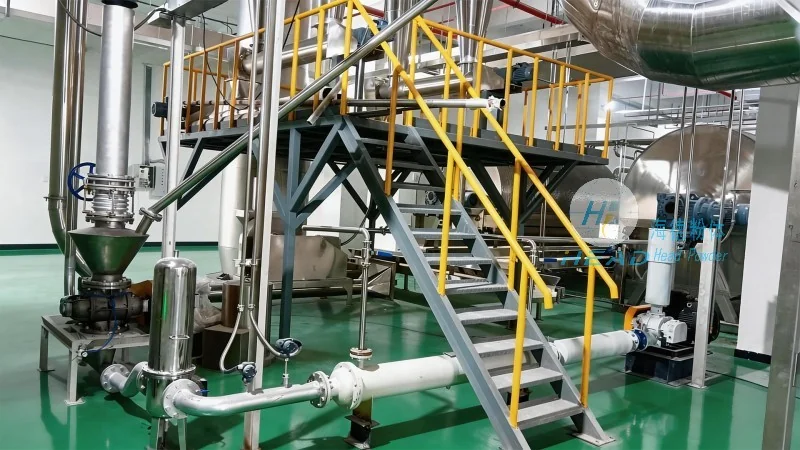
Shandong HeadPowder Engineering Co., Ltd. offers customized pneumatic conveying solutions tailored to the specific needs of oat processing facilities. The company considers factors such as the volume of material to be conveyed, the distance between the source and destination, and the required material quality when designing a system. For example, in large-scale oat processing plants, a combination of suction and pressure conveying may be used to transport oats from storage silos to processing lines, while maintaining the integrity of the grain.
Pneumatic conveying systems are a cornerstone of efficient oat handling, and their proper classification and component design are essential for optimal performance. By understanding the different types of systems and the role of each component, oat processing facilities can select the most suitable solution to meet their operational requirements. Shandong HeadPowder Engineering Co., Ltd. continues to lead in the development of advanced pneumatic conveying systems, providing reliable and efficient solutions for the agricultural and food industries.

 Shandong Headpowder Engineering Co., Ltd.
 156-6277-7102(Manager Zhang)
  0531-83386006
  Zhangqiu District, Jinan City, Shandong Province, China
telephone
WeChatconsult
top