With more than 10‑year industry experience, Shandong Headpowder delivers full‑service pneumatic‑conveying systems and blowers, undertaking nationwide turn‑key powder‑handling projects.
Clay, as a common industrial raw material, often presents challenges during material handling due to its high moisture content and cohesive properties. Traditional conveying methods may struggle with blockages, increased wear on equipment, and inefficient material transport. Pneumatic conveying offers a viable alternative, enabling the efficient and safe transportation of clay through the use of air pressure. This article explores several effective solutions for pneumatic conveying of clay, highlighting the expertise of Shandong HeadPowder Engineering Co., Ltd. (HeadPowder), a leading provider of industrial material handling solutions based in Shandong, China.
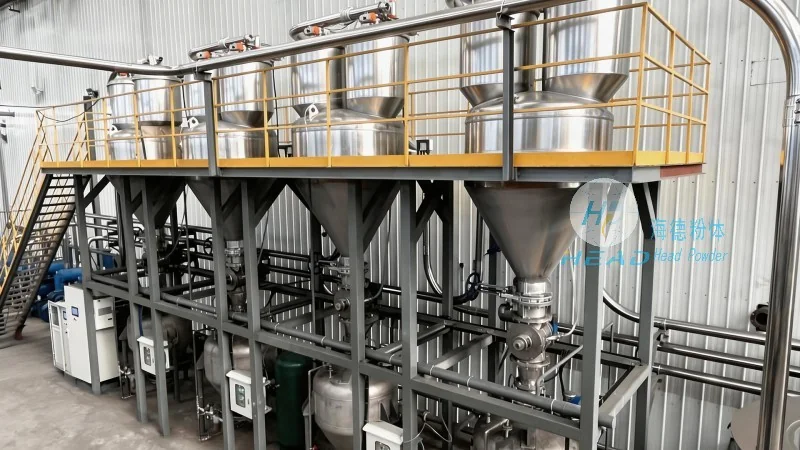
Before delving into solutions, it's crucial to understand the unique challenges associated with clay. Clay particles are often fine and have a tendency to stick together, leading to issues like pipeline blockages and increased energy consumption. Additionally, the moisture content in clay can affect its flowability, making it difficult to maintain consistent conveying rates. These factors necessitate specialized equipment and system designs to ensure reliable operation.
When designing a pneumatic conveying system for clay, several key factors must be considered. The first is the type of conveying system—whether it's a pressure or vacuum system. Pressure systems are generally more suitable for long-distance or high-capacity applications, as they can maintain consistent flow rates and reduce the risk of material degradation. Vacuum systems, on the other hand, are ideal for short distances or when the material needs to be transported from multiple sources. Another critical consideration is the material's moisture content and particle size distribution, as these directly impact the system's performance and maintenance requirements. Proper system sizing and air velocity management are essential to prevent clogging and ensure efficient transport.
One of the most effective solutions for clay pneumatic conveying is the positive pressure dilute phase system. This method involves blowing air through a pipeline at a high velocity, carrying the clay particles in a suspended state. The system typically uses a blower or compressor to generate the necessary pressure, with the air velocity maintained above the minimum fluidization velocity to prevent particle settling. This approach is particularly advantageous for long-distance transport, as it can handle high volumes of material with minimal equipment wear. The dilute phase design also reduces the risk of material buildup and blockages, making it suitable for continuous operation. Shandong HeadPowder Engineering Co., Ltd. specializes in designing and implementing such systems, ensuring optimal performance and reliability for industrial applications.
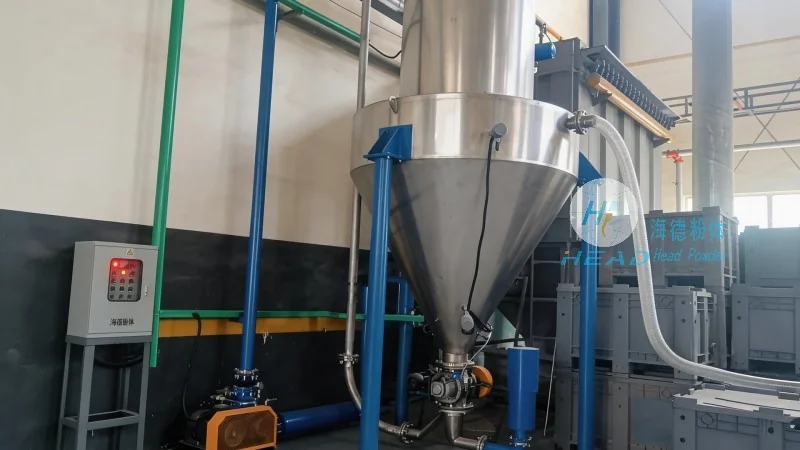
For applications requiring material transport from multiple points or over shorter distances, vacuum conveying systems with cyclone separators are an excellent choice. This solution involves using a vacuum pump to draw material from the source and transport it through a pipeline. The cyclone separator at the receiving end separates the clay particles from the air, allowing for efficient material recovery and disposal. This method is particularly useful in environments where material contamination is a concern, as the cyclone provides a clean separation process. The vacuum system is also more energy-efficient for shorter distances, as it requires less pressure to move the material. HeadPowder's expertise in vacuum system design ensures that these systems are optimized for clay's unique properties, minimizing energy consumption and maximizing material throughput.
In some cases, a hybrid approach combining both pressure and vacuum elements may be the most effective solution. For example, a system might use a pressure system to transport clay from a central storage facility to a processing plant, and then use a vacuum system to move the material from the plant to individual workstations. This hybrid design allows for flexibility in material handling, adapting to different operational needs while maintaining efficiency. The hybrid system can also reduce overall energy consumption by using the most appropriate conveying method for each segment of the transport route. Shandong HeadPowder Engineering Co., Ltd. offers customized hybrid solutions tailored to specific industrial requirements, ensuring that clients achieve the best possible performance and cost-effectiveness.
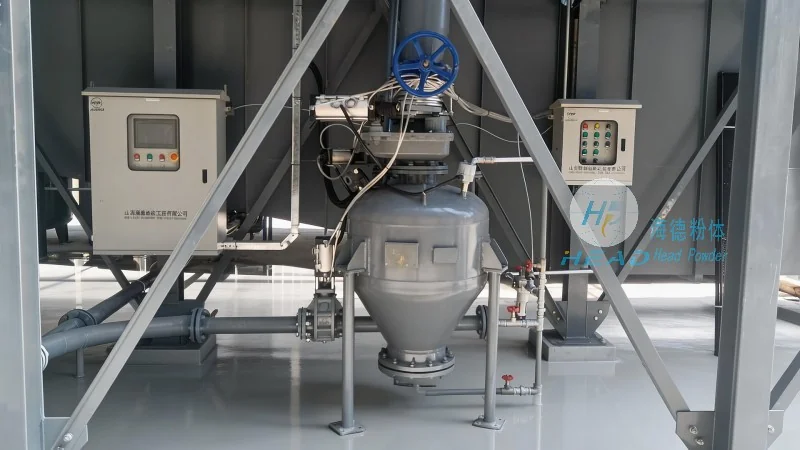
Regardless of the chosen solution, the quality of equipment and components is critical to the success of a pneumatic conveying system. Key components include blower/compressors, air filters, material feeders, and separation devices. For clay applications, it's essential to use equipment that can handle fine particles and high moisture content without clogging or degradation. HeadPowder uses high-quality materials and advanced design techniques to ensure that their equipment is durable and long-lasting. For example, their blower systems are designed with corrosion-resistant materials to withstand the acidic or alkaline nature of clay, and their material feeders are equipped with anti-clogging mechanisms to prevent blockages. Proper maintenance and regular inspections are also crucial to ensure the system operates at peak efficiency. HeadPowder provides comprehensive maintenance services to help clients maximize the lifespan of their equipment and minimize downtime.
Shandong HeadPowder Engineering Co., Ltd. has successfully implemented pneumatic conveying solutions for numerous clients across various industries. For instance, a client in the ceramics industry required a system to transport clay from a quarry to a processing plant over a distance of 2 kilometers. HeadPowder designed a positive pressure dilute phase system with a high-capacity blower, ensuring consistent material flow and minimal wear on equipment. The system was able to handle the high moisture content of the clay without any blockages, resulting in a significant reduction in operational costs. Another client in the construction materials sector needed a vacuum system to transport clay from multiple storage silos to a mixing facility. HeadPowder's vacuum system with cyclone separators was able to efficiently collect and transport the material, reducing the risk of contamination and improving overall production efficiency. These case studies demonstrate the effectiveness of HeadPowder's solutions in addressing the unique challenges of clay handling and improving industrial processes.
Pneumatic conveying offers a reliable and efficient solution for transporting clay, overcoming the challenges associated with traditional methods. By selecting the appropriate system design and equipment, industrial facilities can achieve improved material handling, reduced energy consumption, and enhanced operational reliability. Shandong HeadPowder Engineering Co., Ltd. plays a key role in this process, providing expert design, implementation, and maintenance services tailored to the specific needs of each client. As industrial demands continue to evolve, the company remains committed to developing innovative solutions that meet the changing needs of the industry. With their focus on quality, efficiency, and customer satisfaction, HeadPowder is positioned as a leading provider of pneumatic conveying systems for clay and other challenging materials.

 Shandong Headpowder Engineering Co., Ltd.
 156-6277-7102(Manager Zhang)
  0531-83386006
  Zhangqiu District, Jinan City, Shandong Province, China
telephone
WeChatconsult
top