With more than 10‑year industry experience, Shandong Headpowder delivers full‑service pneumatic‑conveying systems and blowers, undertaking nationwide turn‑key powder‑handling projects.
Shandong HeadPowder Engineering Co., Ltd., a leading enterprise based in China, specializes in the design, manufacturing, and supply of advanced pneumatic conveying systems tailored for the cassava processing industry. These systems are crucial for efficiently transporting cassava from processing stages to storage or further processing units, ensuring optimal material handling and operational efficiency. This article provides an in-depth overview of the classification and key components that constitute a typical cassava pneumatic conveying system, highlighting the technical aspects and functional roles of each element.
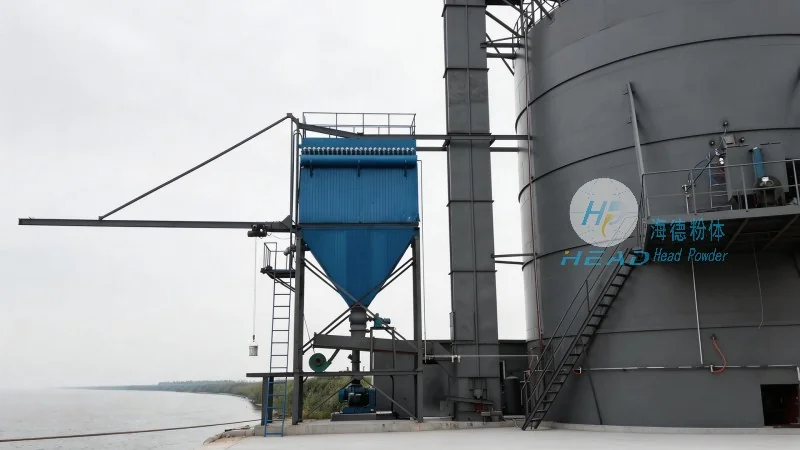
Pneumatic conveying systems utilize air or gas to transport bulk materials like cassava, offering advantages such as reduced mechanical wear, minimal product contamination, and the ability to handle materials in enclosed environments. For cassava processing, which often involves handling high-volume, granular or powdered products, these systems are essential for maintaining product quality and operational safety. The systems are designed to integrate seamlessly with existing processing lines, providing a reliable solution for material transport in agricultural and food processing applications.
Cassava pneumatic conveying systems can be classified based on several key parameters, including the method of air delivery, the type of material flow, and the system pressure. The primary classifications include:
1. Positive Pressure Systems: These systems generate air pressure within the conveying line, pushing the material forward. They are commonly used for short to medium distance transport and are suitable for handling fine or dusty materials. The air is supplied by a blower or compressor, creating a positive pressure environment that ensures material is continuously moved through the pipeline.
2. Negative Pressure (Suction) Systems: In contrast, negative pressure systems create a vacuum in the conveying line, drawing material from the source. This method is ideal for long-distance transport and for handling materials that may be prone to dust generation or require a closed environment to prevent contamination. The system typically includes a vacuum pump or fan to maintain the negative pressure, ensuring efficient material collection and transport.
3. Combined Systems: Some applications may utilize a combination of positive and negative pressure components. For instance, a system might use positive pressure to transport material from a storage silo to an initial processing stage, followed by a negative pressure section to handle fine powders or to connect to a vacuum collection system. This hybrid approach allows for flexibility in handling different material characteristics and transport requirements.
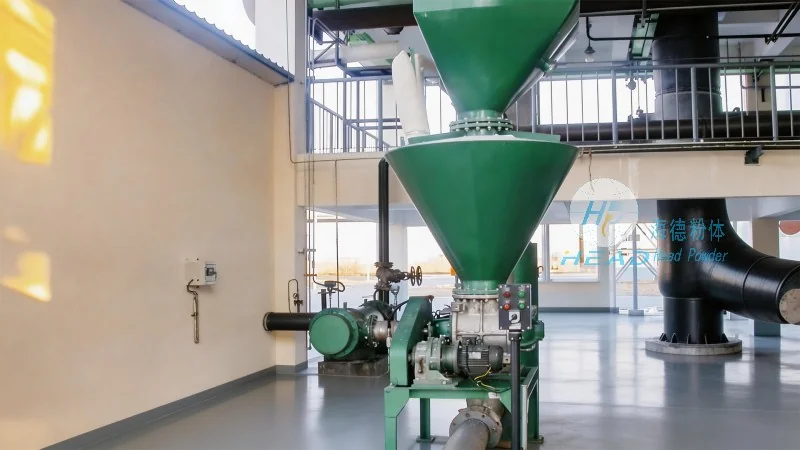
A cassava pneumatic conveying system comprises several critical components, each playing a vital role in the overall operation. The main components include:
1. Feed Hopper and Inlet Valve: The feed hopper is responsible for storing and feeding the cassava material into the system. It is equipped with an inlet valve that controls the flow rate of the material, ensuring a consistent and controlled feed to the conveying line. The hopper is typically designed with a sloped bottom to facilitate material discharge and may include a rotary valve or gate valve to regulate the flow.
2. Conveying Pipeline: The pipeline is the main channel through which the cassava and air travel. It is constructed from materials such as stainless steel, plastic, or coated metal to resist corrosion and wear from the cassava particles. The pipeline is usually arranged in a loop or straight line, depending on the layout of the processing facility. The diameter and length of the pipeline are critical factors that affect the system's performance, as they influence the air velocity and pressure drop.
3. Blower or Vacuum Pump: The blower or vacuum pump provides the necessary air or gas to move the material through the pipeline. In positive pressure systems, a high-pressure blower generates the required pressure, while in negative pressure systems, a vacuum pump creates the suction. The selection of the blower or pump depends on the system's pressure requirements, material characteristics, and the distance to be covered. Efficient blower or pump operation is essential for maintaining the system's throughput and preventing material blockages.
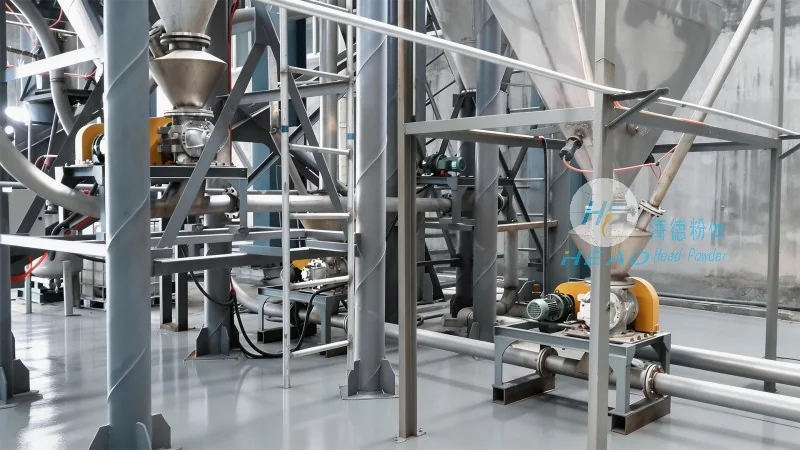
4. Separation and Collection Equipment: At the end of the conveying line, separation equipment is used to separate the material from the air. This may include cyclones, filters, or baghouses, which capture the cassava particles and return them to the processing line or storage. The air, now free of material, is then discharged or recirculated, depending on the system design. Proper separation is crucial to prevent product loss and to maintain air quality, especially in food processing applications where contamination must be minimized.
5. Control and Monitoring Systems: Modern cassava pneumatic conveying systems are equipped with advanced control and monitoring systems to ensure optimal operation. These systems may include sensors for measuring pressure, flow rate, and material level, as well as control panels that allow operators to adjust system parameters in real-time. The control system helps maintain consistent performance, detect faults or blockages, and provide alerts for maintenance or adjustments. This integration of technology enhances the reliability and efficiency of the system, reducing downtime and operational costs.
The design and selection of a cassava pneumatic conveying system depend on various factors, including the processing capacity, the type of cassava (e.g., fresh or dried), and the distance between processing stages. For high-capacity operations, larger diameter pipelines and more powerful blower systems may be required to handle the increased material volume. Additionally, the system must be designed to accommodate the specific properties of cassava, such as its moisture content and particle size, to prevent clogging or degradation of the material.
Operational considerations also include the need for regular maintenance to ensure the system's longevity and performance. Components like the blower, pipeline, and separation equipment require periodic inspection and cleaning to prevent wear and contamination. Proper training of operators on system operation and maintenance is essential to maximize the system's efficiency and minimize operational issues.
Shandong HeadPowder Engineering Co., Ltd. offers comprehensive solutions for cassava pneumatic conveying systems, combining advanced technology with expert engineering to meet the diverse needs of the cassava processing industry. By understanding the classification and key components of these systems, processors can make informed decisions to enhance their material handling efficiency, product quality, and overall operational performance. The integration of reliable components and effective control systems ensures that cassava can be transported safely and efficiently, supporting the growth and sustainability of the agricultural and food processing sectors.

 Shandong Headpowder Engineering Co., Ltd.
 156-6277-7102(Manager Zhang)
  0531-83386006
  Zhangqiu District, Jinan City, Shandong Province, China
telephone
WeChatconsult
top