With more than 10‑year industry experience, Shandong Headpowder delivers full‑service pneumatic‑conveying systems and blowers, undertaking nationwide turn‑key powder‑handling projects.
HeadPowder, a leading manufacturer based in Shandong, China, specializes in the design and production of advanced pneumatic conveying systems tailored for rare earth crystal powders. This article provides a comprehensive overview of the technology, focusing on the structural design and operational principles that enable efficient material handling.
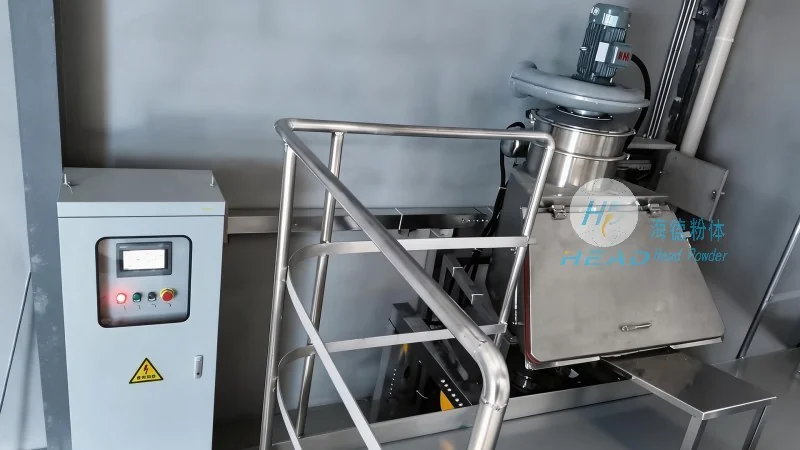
Pneumatic conveying is a critical method for transporting fine powders like rare earth crystals, which are often sensitive to mechanical stress and require gentle handling. The system operates by using compressed air to move the material through a pipeline network. The design of the conveying system is crucial to ensure minimal particle degradation and optimal flow characteristics.
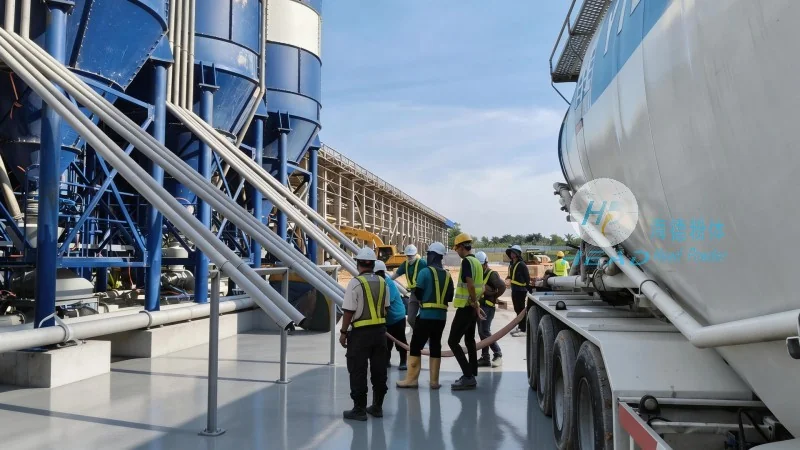
The core components of a rare earth crystal powder pneumatic conveying system include the material feed hopper, the air compressor, the conveying pipeline, and the discharge receiver. The feed hopper is designed to maintain a consistent material level, preventing clogging and ensuring a steady flow. The air compressor generates the necessary pressure to move the powder through the pipeline. The pipeline system is typically made of corrosion-resistant materials to accommodate the chemical properties of rare earth compounds. The discharge receiver collects the material at the end of the conveying line, allowing for smooth unloading.
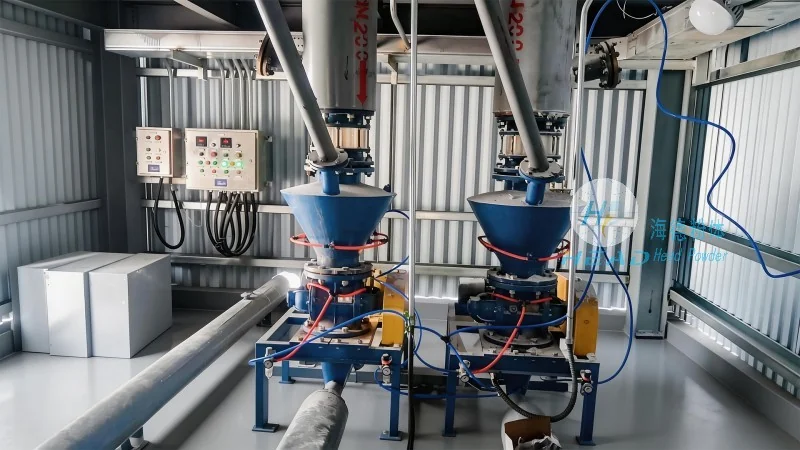
Several factors influence the performance of a pneumatic conveying system for rare earth crystal powders. Particle size and density are critical parameters that affect the air velocity required for proper transport. The system must be designed to maintain a balance between air pressure and material flow to avoid issues such as blockages or excessive energy consumption. Additionally, the system's layout, including the length and diameter of the pipeline, plays a significant role in determining the overall efficiency and cost-effectiveness of the operation.
Shandong HeadPowder Engineering Co., Ltd. leverages years of experience in the field to develop customized pneumatic conveying systems that meet the specific needs of clients. Our engineers work closely with customers to understand their material characteristics and operational requirements, ensuring that the final solution is both efficient and reliable. We utilize advanced materials and engineering techniques to build systems that can handle the unique challenges associated with rare earth crystal powders, such as their high value and sensitivity to handling conditions.
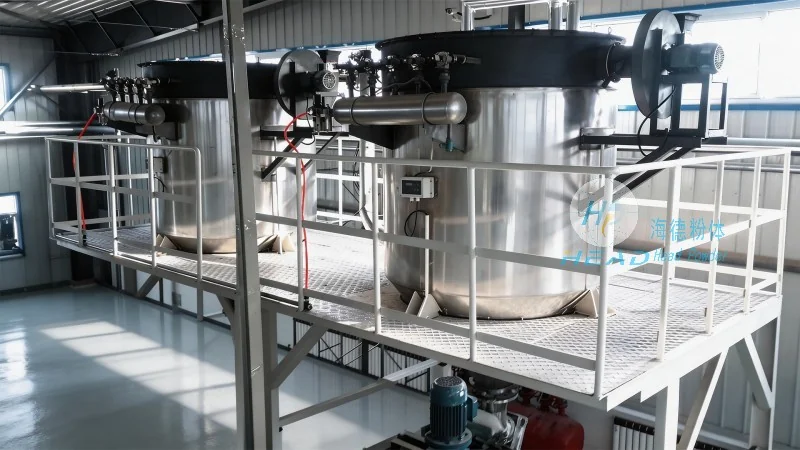
Pneumatic conveying offers a reliable and efficient method for handling rare earth crystal powders, and the proper design and implementation of the system are essential for optimal performance. HeadPowder remains committed to providing high-quality, tailored solutions that enhance the productivity and safety of material handling processes in the rare earth industry.

 Shandong Headpowder Engineering Co., Ltd.
 156-6277-7102(Manager Zhang)
  0531-83386006
  Zhangqiu District, Jinan City, Shandong Province, China
telephone
WeChatconsult
top