With more than 10‑year industry experience, Shandong Headpowder delivers full‑service pneumatic‑conveying systems and blowers, undertaking nationwide turn‑key powder‑handling projects.
As a key component in the battery industry, Lithium Iron Carbonate (LiFeCO₃) plays a crucial role in the production of lithium-ion batteries. The efficient and safe transportation of this material is essential for maintaining the quality and integrity of the final product. This article explores the various methods used for transporting Lithium Iron Carbonate, focusing on the best practices and considerations for handling this material.
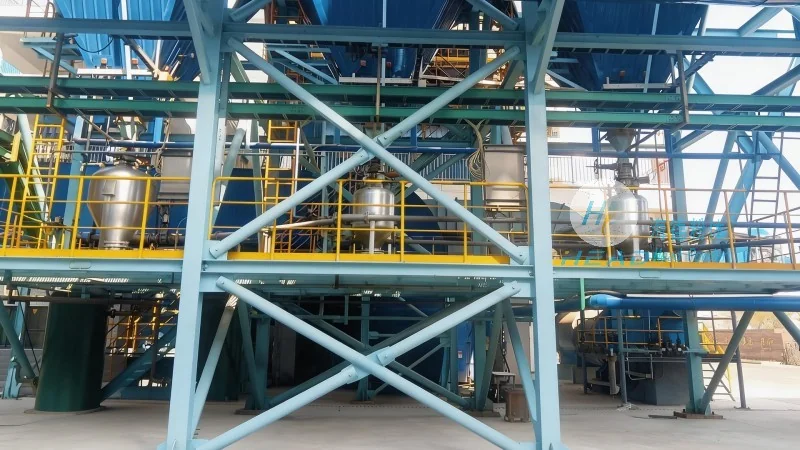
HeadPowder, formally known as Shandong HeadPowder Engineering Co., Ltd., is a leading manufacturer and supplier of advanced powder processing solutions. With a strong presence in Shandong, China, the company specializes in the development and application of materials like Lithium Iron Carbonate, ensuring high-quality production processes from raw material handling to final product delivery.
Transporting Lithium Iron Carbonate requires careful consideration of the material's properties, such as its fine particle size and potential reactivity. Several methods are commonly employed to ensure safe and efficient delivery. These include:
1. Packaging and Containerization: Lithium Iron Carbonate is typically packaged in sealed, moisture-resistant containers to prevent contamination and degradation. Common packaging options include plastic-lined drums, fiber drums, and multi-wall paper sacks. These containers are designed to protect the material from environmental factors and ensure compliance with transportation regulations.
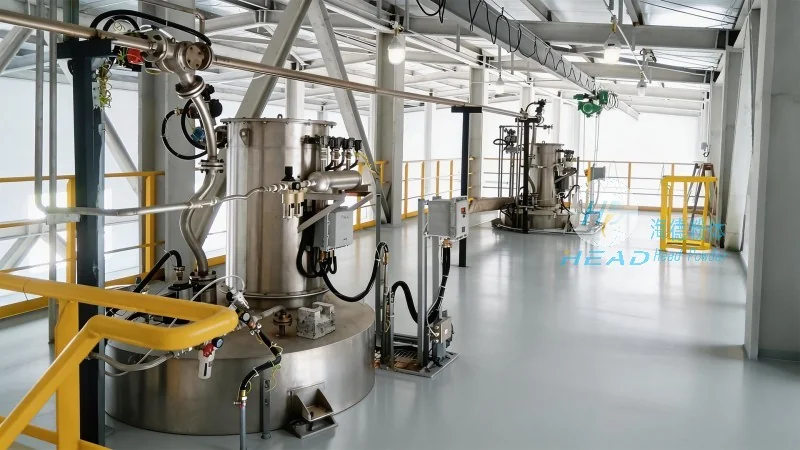
2. Truck Transportation: For short to medium distances, road transport via trucks is the most common method. Specialized vehicles equipped with enclosed cargo areas are used to prevent dust and moisture from entering the container. This method allows for direct delivery to manufacturing facilities, reducing handling steps and minimizing the risk of product loss.
3. Railway Transportation: For longer distances, especially when shipping in bulk quantities, railway transport is an efficient option. Bulk containers or hopper cars are used to transport large volumes of Lithium Iron Carbonate. This method is cost-effective and can handle high volumes, making it suitable for industrial-scale operations.
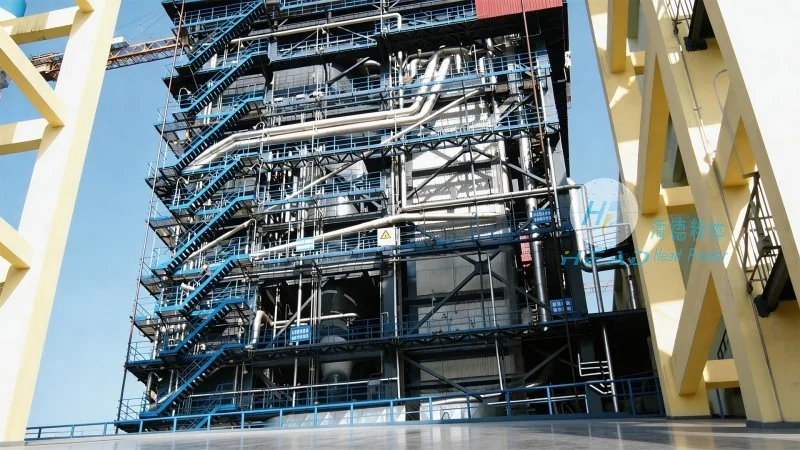
4. Marine Transportation: For international shipments, maritime transport is often used. Large cargo ships or bulk carriers are employed to transport the material in bulk. Proper loading and unloading procedures are essential to prevent spillage and ensure the material remains in good condition during transit.
When transporting Lithium Iron Carbonate, safety and regulatory compliance are paramount. The material is classified as a hazardous substance in many regions, and transportation must adhere to specific guidelines. This includes proper labeling, use of appropriate packaging, and adherence to international and national regulations such as those from the International Maritime Organization (IMO) and the United Nations (UN). Companies like HeadPowder ensure that all transportation processes meet these standards, providing customers with reliable and compliant delivery services.
The transportation of Lithium Iron Carbonate is a critical step in the supply chain for lithium-ion battery manufacturers. By employing appropriate packaging, transportation methods, and safety measures, companies can ensure the material reaches its destination in optimal condition. HeadPowder Engineering, with its expertise in powder processing and transportation solutions, offers comprehensive support to clients, helping them maintain the quality and efficiency of their production processes. Whether through road, rail, or marine transport, the focus remains on safety, compliance, and the preservation of the material's quality throughout the journey.

 Shandong Headpowder Engineering Co., Ltd.
 156-6277-7102(Manager Zhang)
  0531-83386006
  Zhangqiu District, Jinan City, Shandong Province, China
telephone
WeChatconsult
top