With more than 10‑year industry experience, Shandong Headpowder delivers full‑service pneumatic‑conveying systems and blowers, undertaking nationwide turn‑key powder‑handling projects.
When designing a pneumatic conveying system for desulfurization fly ash, several critical factors must be considered to ensure efficient operation, reliability, and cost-effectiveness. The system's performance is directly influenced by the material properties of the fly ash, the required conveying distance, and the overall system layout. This article outlines key design considerations to help engineers and project managers select the most suitable solution for their specific applications.
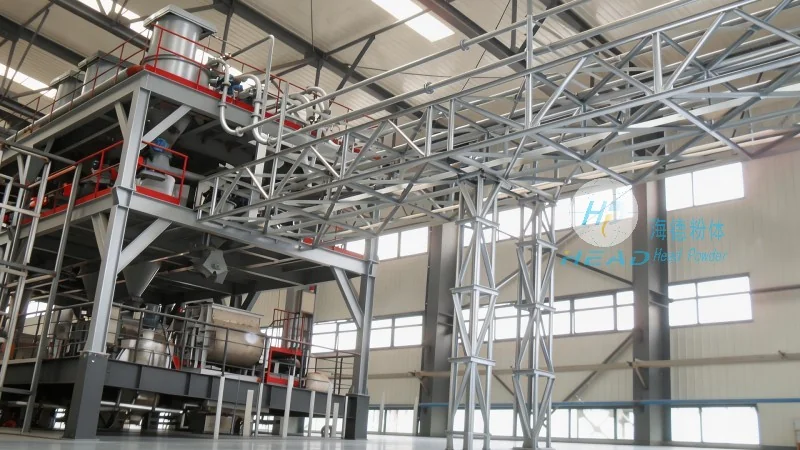
The first step in designing a desulfurization fly ash pneumatic conveying system is to analyze the physical and chemical properties of the fly ash. Key characteristics include particle size distribution, moisture content, density, and abrasiveness. These factors determine the appropriate conveying method—such as dense-phase or dilute-phase pneumatic conveying—and the required air velocity and pressure. For example, fly ash with high moisture content may require pre-drying or the use of a system with higher air capacity to prevent blockages. The system designer must also consider the fly ash's potential to cause corrosion or wear on system components, which influences material selection for pipes, valves, and pumps.
The distance over which the fly ash needs to be conveyed is a primary factor in determining the system's pressure and power requirements. Longer conveying distances typically demand higher air pressure and more robust equipment to maintain material flow. Engineers must calculate the pressure drop across the entire system, including pipes, fittings, and equipment, to ensure sufficient pressure at the discharge point. This involves selecting appropriate pipe diameters, using efficient fittings to minimize pressure loss, and possibly incorporating booster stations or pressure vessels to maintain system pressure. The choice of conveying method—dense-phase, where material is conveyed in a slurry-like state, or dilute-phase, where material is suspended in air—also impacts pressure requirements. Dense-phase systems generally operate at lower air velocities and higher pressures, making them suitable for longer distances or when handling abrasive materials.
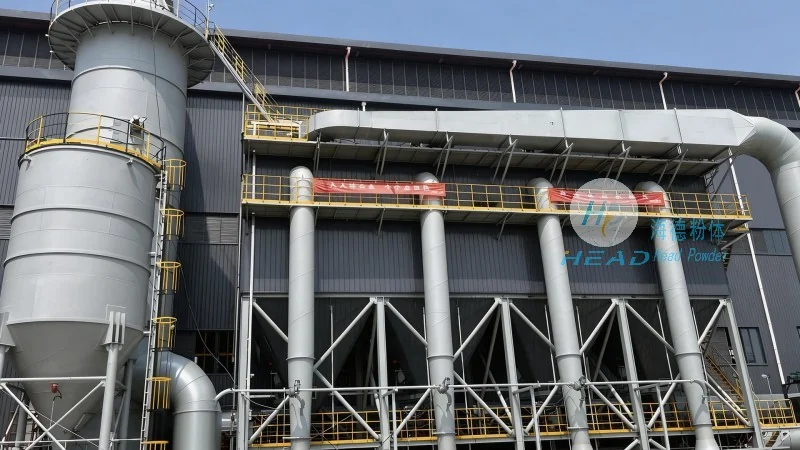
Key equipment components for a desulfurization fly ash pneumatic conveying system include the feed hopper, air compressor, conveying pipes, control valves, and discharge equipment. The feed hopper must be designed to handle the fly ash's bulk density and flow characteristics, often incorporating vibrators or feeders to ensure consistent material supply. The air compressor must be sized to provide the necessary air volume and pressure, with considerations for energy efficiency and noise levels. Conveying pipes are typically made of corrosion-resistant materials like stainless steel or lined with abrasion-resistant coatings to withstand the fly ash's abrasive nature. Control valves, such as rotary valves or slide gates, regulate the flow of fly ash and air, while also providing isolation points for maintenance. The discharge equipment, such as a silo or storage bin, must be compatible with the system's pressure and material characteristics, ensuring safe and efficient material handling.
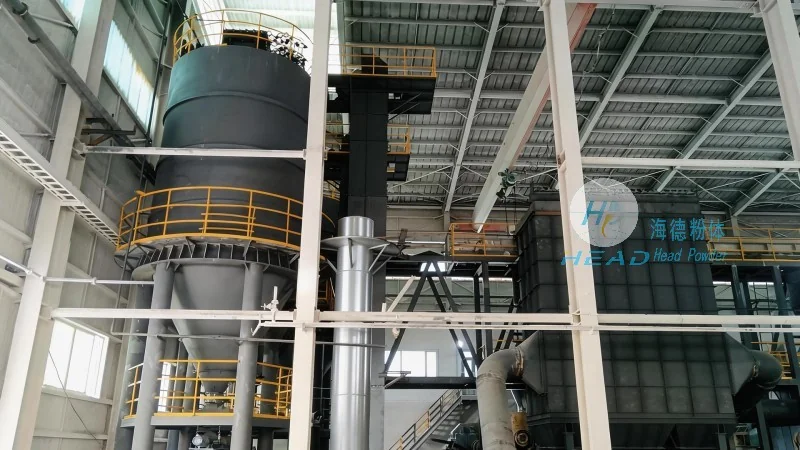
Ensuring the safety of personnel and equipment is paramount in pneumatic conveying systems. Designers must incorporate safety features such as pressure relief valves, explosion vents, and emergency shutdown systems to prevent over-pressurization or accidental releases. Regular maintenance is also critical to system longevity and performance. This includes monitoring air compressor performance, inspecting pipe and equipment for wear or corrosion, and cleaning or replacing filters and seals as needed. A well-designed maintenance plan can extend the system's operational life and reduce downtime, ultimately improving overall efficiency and reducing costs.
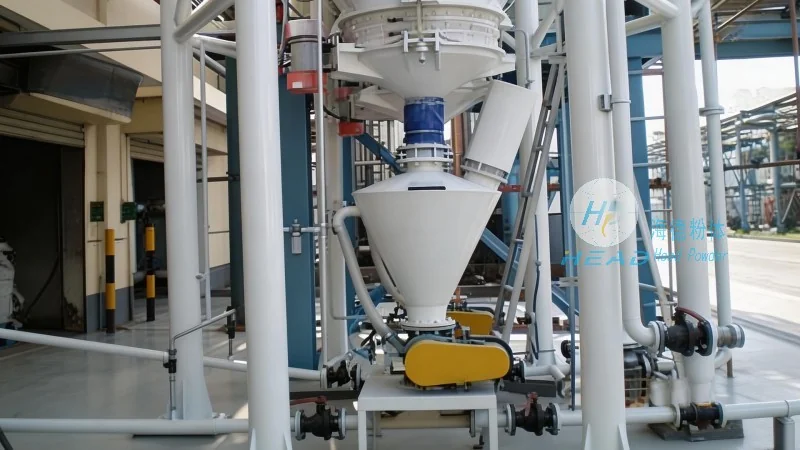
Desulfurization fly ash is often subject to environmental regulations regarding emissions and waste disposal. The pneumatic conveying system must be designed to minimize dust emissions and ensure compliance with local and national standards. This may involve incorporating dust collection systems, such as cyclones or bag filters, at the discharge point or along the system. Additionally, the system must be constructed to prevent leaks or spills of fly ash, which could contaminate the environment. Compliance with regulations related to noise pollution and equipment safety is also essential. By addressing these environmental and regulatory aspects from the design phase, engineers can ensure the system operates in a sustainable and responsible manner.
Shandong HeadPowder Engineering Co., Ltd., a leading provider of pneumatic conveying solutions, has successfully implemented desulfurization fly ash systems for numerous clients. One notable project involved conveying fly ash from a power plant to a storage facility over a distance of 500 meters. The system was designed as a dense-phase pneumatic conveying system with a stainless steel pipe network and a high-capacity air compressor. The system successfully handled the fly ash's abrasive properties and high moisture content, achieving a conveying efficiency of over 95% and minimal downtime. This case study highlights the importance of proper system design, equipment selection, and maintenance in achieving reliable and efficient operation.

 Shandong Headpowder Engineering Co., Ltd.
 156-6277-7102(Manager Zhang)
  0531-83386006
  Zhangqiu District, Jinan City, Shandong Province, China
telephone
WeChatconsult
top