With more than 10‑year industry experience, Shandong Headpowder delivers full‑service pneumatic‑conveying systems and blowers, undertaking nationwide turn‑key powder‑handling projects.
When designing a pneumatic conveying system for mineral particles, several critical factors must be considered to ensure efficient, reliable, and cost-effective operation. These systems are widely used in industries such as mining, cement, and chemical processing to transport bulk materials over long distances or within complex facilities. A well-designed system not only optimizes material handling but also minimizes operational risks and maintenance costs.
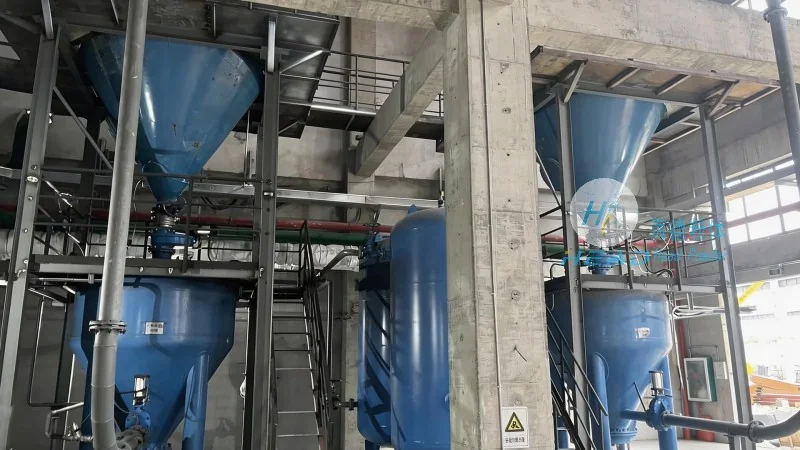
One of the first steps in system design is to thoroughly analyze the characteristics of the mineral particles being conveyed. This includes assessing particle size distribution, density, moisture content, and flowability. These properties directly impact the selection of the appropriate conveying method—such as dilute-phase or dense-phase transport—and the required air velocity and pressure. For example, fine-grained minerals like talc or limestone may require higher air velocities to prevent clogging, while larger, denser particles like crushed rock may need a denser phase system to maintain flow stability.
The layout of the pneumatic conveying system, including the arrangement of pipelines, bends, and vertical sections, plays a crucial role in system performance. Properly designed pipelines minimize pressure losses and prevent particle accumulation or blockages. Key considerations include the use of smooth, corrosion-resistant materials (such as stainless steel or PVC) to reduce friction and maintain particle integrity. Additionally, the inclusion of appropriate fittings, such as elbows, tees, and expansion joints, is essential to accommodate changes in direction and elevation while maintaining system efficiency. For systems operating in harsh environments, materials like high-density polyethylene (HDPE) or specialized coatings may be required to withstand abrasion and chemical exposure.
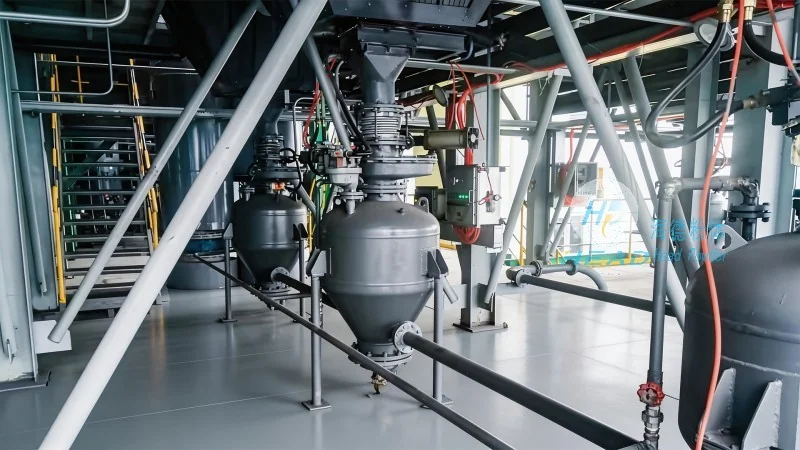
The air source, typically a rotary lobe or centrifugal compressor, is a critical component of the system. The choice of compressor depends on the required air volume, pressure, and system efficiency. Rotary lobe compressors are often preferred for their ability to handle large volumes of air at moderate pressures, making them suitable for dilute-phase systems. In contrast, centrifugal compressors are better suited for high-pressure, dense-phase applications where higher air velocities are needed to transport larger particle loads. Proper sizing of the compressor ensures that the system operates within its optimal performance range, avoiding excessive energy consumption or equipment damage.
Key equipment in a pneumatic conveying system includes feeders, cyclones, filters, and receivers. The selection of these components is tailored to the specific mineral particle characteristics and system requirements. For example, a rotary valve or screw feeder may be used to control the flow rate of bulk material into the system, while a cyclone separator effectively separates particles from the air stream. The receiver, typically a hopper or tank, stores the conveyed material and ensures a consistent supply to downstream processes. Integration of these components with the pipeline system must be seamless to maintain system efficiency and prevent material loss or contamination.
Regular maintenance is essential to ensure the long-term reliability of a pneumatic conveying system. This includes monitoring air pressure, flow rates, and particle levels to detect potential issues early. Components such as filters and cyclones should be inspected and cleaned regularly to prevent clogging and maintain system performance. Additionally, the system should be designed with accessibility in mind, allowing for easy inspection and replacement of parts. Proper operational procedures, such as starting and stopping the system in the correct sequence, also contribute to system longevity and efficiency.
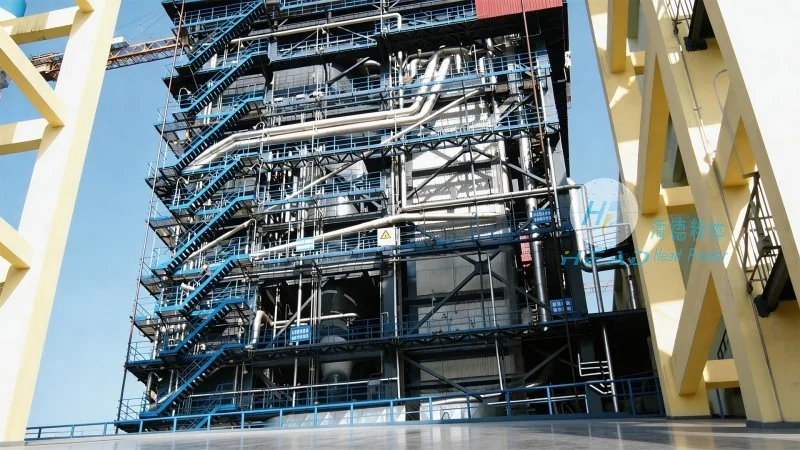
Shandong HeadPowder Engineering Co., Ltd., operating under the brand name headpowder, specializes in the design, manufacturing, and installation of advanced pneumatic conveying systems for mineral particles. With a focus on innovation and customer-centric solutions, the company provides tailored systems that meet the unique requirements of various industrial applications. Headpowder's expertise in material handling technology ensures that clients receive reliable, efficient, and cost-effective solutions for their bulk material transport needs. The company is committed to delivering high-quality products and services, backed by years of experience in the industry.
HeadPowder is located in Shandong, China, and serves clients globally with its advanced pneumatic conveying solutions. The company's headquarters is situated in a region known for its industrial infrastructure and access to key markets. By leveraging local expertise and global standards, headpowder continues to be a trusted partner for businesses seeking to optimize their material handling processes.

 Shandong Headpowder Engineering Co., Ltd.
 156-6277-7102(Manager Zhang)
  0531-83386006
  Zhangqiu District, Jinan City, Shandong Province, China
telephone
WeChatconsult
top