Classification and Composition of Alumina Pneumatic Conveying Systems
Release time:2026-09-14 10:38:53
name of the company:Shandong Headpowder Engineering Co., Ltd.
telephone:156-6277-7102
contacts:Manager Zhang
Alumina, a critical raw material in the aluminum industry, demands efficient and reliable transport solutions to ensure seamless production processes. Pneumatic conveying systems have emerged as a preferred method for handling alumina due to their ability to transport materials in a dust-free environment, enhancing safety and operational efficiency. Shandong HeadPowder Engineering Co., Ltd., a leading provider of industrial material handling solutions, specializes in designing and manufacturing advanced pneumatic conveying systems tailored to the unique needs of alumina handling across various industrial applications.
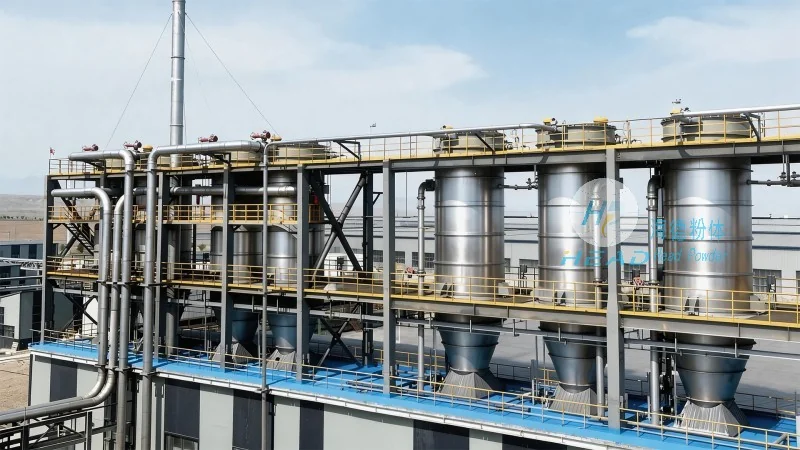
1. Classification of Alumina Pneumatic Conveying Systems
Alumina pneumatic conveying systems are primarily classified based on the pressure within the system and the method of material feeding. The main categories include:
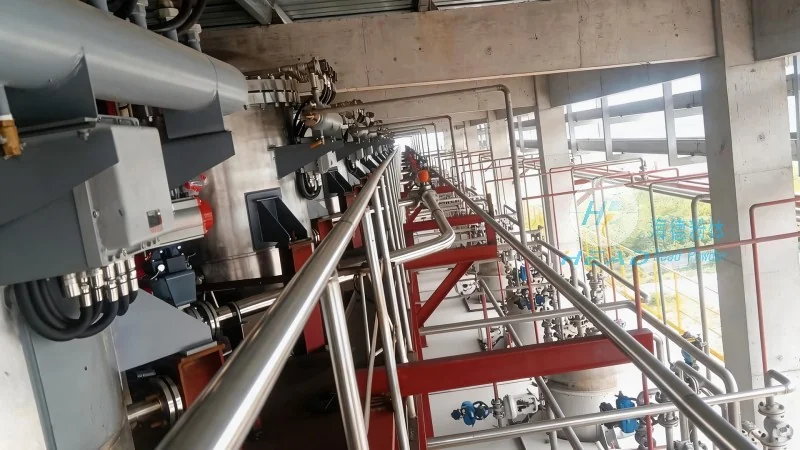
- Absorption Type (Suction System): This system operates under negative pressure, drawing alumina from a storage silo or hopper into the conveying line. It is ideal for short-distance or low-elevation transport, as the vacuum pump creates the necessary suction force to move the material efficiently. The system minimizes pressure buildup and is suitable for handling materials with lower abrasiveness.
- Compression Type (Pressure System): In contrast, compression systems operate under positive pressure, pushing alumina through the conveying line using a positive displacement blower or compressor. This method is suitable for longer distances and higher material throughput, as it can handle more robust material handling requirements. The pressure system ensures consistent material flow and can accommodate various particle sizes and moisture content in the alumina.
- Combined Type (Suction-Pressure System): Some systems combine elements of both suction and pressure methods. This hybrid approach allows for flexibility in handling both short and long-distance transport, as well as varying material loads. The combined system may use a vacuum pump for initial material pickup and a positive displacement blower for subsequent transport, optimizing energy use and operational efficiency.
2. Key Components of Alumina Pneumatic Conveying Systems
The effectiveness of an alumina pneumatic conveying system depends on its well-designed components, each playing a critical role in the overall operation. The main components include:
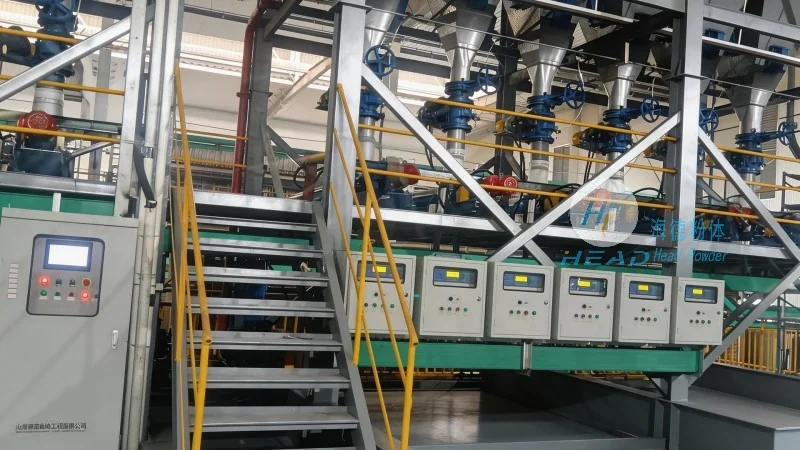
- Feeding Device: The feeding device is responsible for introducing alumina into the conveying line. For alumina, which can be abrasive and prone to bridging, specialized feeders such as rotary valves, star feeders, or screw feeders are used. These devices ensure a consistent and controlled flow of material, preventing blockages and maintaining system efficiency. The choice of feeder depends on the material's properties, such as particle size distribution and moisture content.
- Conveying Pipeline: The pipeline is the backbone of the system, transporting alumina from the feeding point to the destination. It is typically made of corrosion-resistant materials like stainless steel or PVC to withstand the abrasive nature of alumina and prevent material degradation. The pipeline design, including bends and elbows, is crucial for maintaining the material's velocity and preventing deposition or clogging. Properly sized and supported pipelines ensure smooth material flow and minimize energy losses.
- Separation and Cleaning Equipment: As alumina travels through the pipeline, it may carry air or other contaminants. Separation equipment, such as cyclones or filters, is used to separate the material from the air stream, ensuring the alumina reaches its destination in a clean and dry state. Additionally, cleaning devices like pulse jets or rotary cleaners are employed to remove any accumulated material from the pipeline walls, preventing system blockages and maintaining long-term performance.
- Control and Monitoring Systems: Modern alumina pneumatic conveying systems incorporate advanced control and monitoring systems to optimize operation. These systems may include pressure sensors, flow meters, and control valves that regulate the air flow and material feed rate. Real-time monitoring allows operators to detect anomalies, such as pressure drops or material buildup, and take corrective actions promptly. This enhances system reliability and reduces downtime, ensuring consistent alumina transport.
3. Operational Principles and Efficiency Considerations
The operational efficiency of an alumina pneumatic conveying system is influenced by several factors, including material properties, system design, and maintenance practices. Key considerations include:
- Material Properties: Alumina's particle size, density, and moisture content significantly impact system performance. Larger or more abrasive particles may require higher air velocities and more robust components to prevent wear and clogging. Moisture content can affect the material's flowability and may necessitate additional drying steps before transport.
- Air Velocity and Pressure: The air velocity within the pipeline must be sufficient to maintain the material in suspension and prevent deposition. However, excessive air velocity can lead to increased energy consumption and wear on components. Proper system design balances these factors to achieve optimal efficiency. Pressure systems typically operate at higher pressures (e.g., 0.5-1.0 MPa) compared to suction systems, which operate at lower pressures (e.g., -0.1 to -0.5 MPa).
- Maintenance and Upkeep: Regular maintenance is essential to ensure the longevity and reliability of the system. This includes inspecting and replacing worn components, cleaning separation equipment, and checking for leaks in the pipeline. Proper maintenance reduces downtime, minimizes material loss, and extends the lifespan of the system components.
4. Application Examples and Industry Impact
Alumina pneumatic conveying systems are widely used in various industrial applications, including aluminum smelting, ceramic manufacturing, and chemical processing. In aluminum smelting, for instance, alumina is transported from storage silos to the smelting furnaces, where it is used as a raw material. The efficiency of the conveying system directly impacts the overall production rate and cost of aluminum production. In ceramic manufacturing, alumina is used as a filler or reinforcement material, and pneumatic conveying ensures consistent material supply to the production lines.
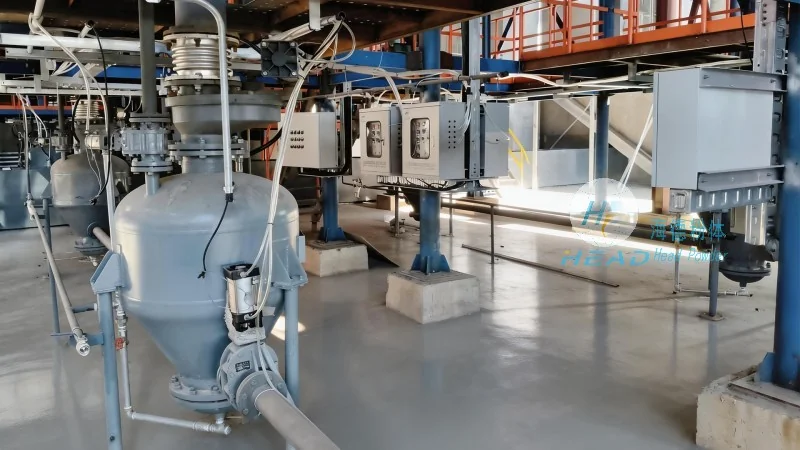
By providing a dust-free and continuous transport method, these systems enhance workplace safety, reduce material loss, and improve overall operational efficiency. The ability to handle abrasive materials like alumina without the need for mechanical conveyors makes pneumatic systems a preferred choice in industries where material handling is critical. Shandong HeadPowder Engineering Co., Ltd. continues to innovate in this field, offering customized solutions that meet the evolving needs of the alumina handling industry.

 Shandong Headpowder Engineering Co., Ltd.
 156-6277-7102(Manager Zhang)
  0531-83386006
  Zhangqiu District, Jinan City, Shandong Province, China