With more than 10‑year industry experience, Shandong Headpowder delivers full‑service pneumatic‑conveying systems and blowers, undertaking nationwide turn‑key powder‑handling projects.
Clay is a fundamental raw material in the manufacturing of ceramics, glass, and refractory products. The quality of the final product is heavily dependent on the integrity of the raw materials used, which makes the transportation process a critical stage in the production line. Traditional methods of clay handling, such as manual scooping or belt conveyors, often present significant challenges. Manual handling is labor-intensive and poses safety risks, while mechanical conveyors can cause dust pollution and product degradation due to friction. As industrial standards rise, the demand for a clean, efficient, and automated solution has become paramount. This is where advanced pneumatic transport systems come into play, offering a sophisticated approach to material logistics.
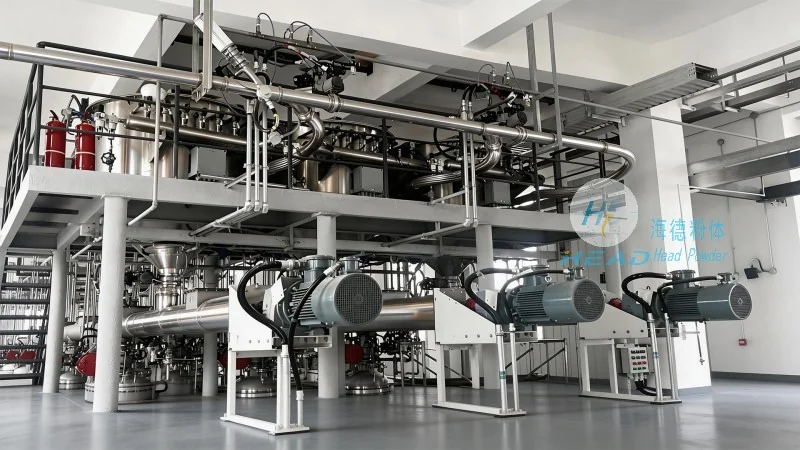
Efficient **clay transportation** is no longer just about moving material from point A to point B; it is about preserving the physical properties of the clay, ensuring environmental compliance, and optimizing operational efficiency. The industry has moved away from dusty, messy, and unreliable methods toward closed-loop systems that guarantee the purity and consistency of the input material.
Pneumatic transport, specifically **clay pneumatic conveying**, utilizes air pressure to move bulk materials through a pipeline system. This technology relies on the principle of fluidization, where air is introduced into the pipeline to suspend the clay particles, allowing them to flow smoothly. Unlike mechanical conveyors that rely on physical contact, pneumatic systems use air as the transport medium, which significantly reduces wear and tear on the material itself.
There are generally two main modes of operation used in **clay pneumatic conveying**: dilute phase and dense phase. Dilute phase systems are typically used for shorter distances and lower capacities, utilizing high-velocity air to carry the material. In contrast, dense phase systems are designed for longer distances and heavier loads, using low-velocity, high-pressure air to push the material. This flexibility allows engineers to design a system that perfectly matches the specific needs of a production facility, ensuring that the **clay transportation** process is both energy-efficient and cost-effective.
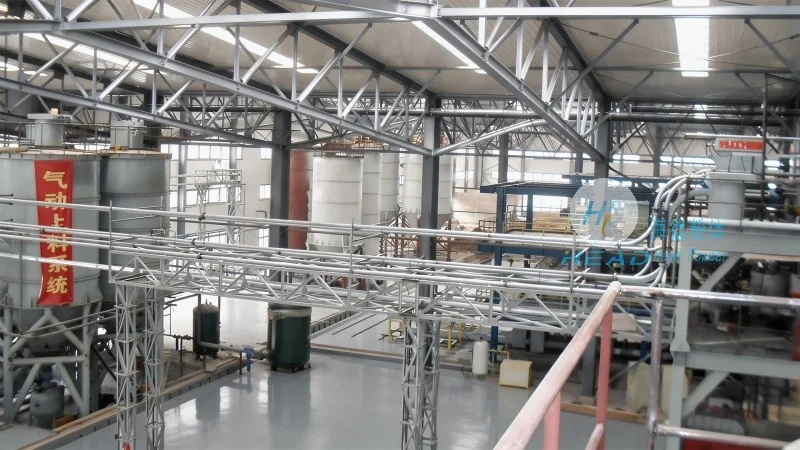
Implementing a pneumatic system for **clay transportation** offers a multitude of benefits that far outweigh the initial investment. The most significant advantage is the elimination of dust. Clay dust is not only a nuisance but can also be hazardous to workers' health and damage sensitive electronic equipment. By using a sealed pipeline, **clay pneumatic conveying** ensures that the process is completely dust-free, creating a safer and cleaner working environment.
Furthermore, pneumatic systems offer exceptional flexibility in terms of layout. Unlike belt conveyors which require flat, unobstructed paths, pneumatic pipelines can be run along walls, ceilings, or through existing structures without interfering with floor traffic. This adaptability makes them ideal for retrofitting into older facilities or for complex plant designs where space is limited. Additionally, because the system is fully automated, it reduces the need for manual intervention, thereby lowering labor costs and minimizing the risk of human error.
When it comes to designing and implementing reliable **clay transportation** solutions, Shandong Headpowder Engineering Co., Ltd. stands out as a leader in the industry. Specializing in advanced **material conveying** technologies, Headpowder has developed a reputation for delivering high-quality systems that withstand the rigors of industrial use. Their expertise lies in understanding the unique characteristics of clay, such as its tendency to agglomerate and its sensitivity to moisture, and engineering systems that address these specific challenges.
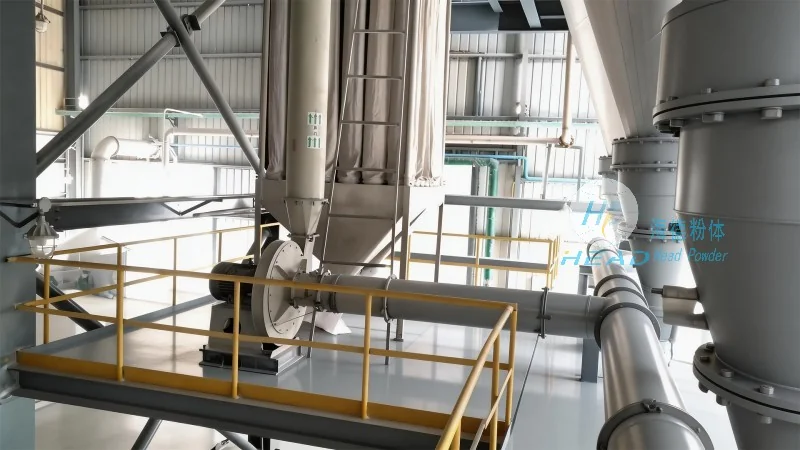
Headpowder’s approach to **clay pneumatic conveying** involves a comprehensive analysis of the client's production requirements. Whether the goal is to transport clay from a storage silo to a kiln or to distribute it across multiple production lines, their team of engineers designs customized solutions. These systems are built with durable components and precision engineering to ensure long-term reliability and minimal maintenance requirements. By choosing Headpowder, manufacturers ensure that their **material conveying** infrastructure is robust, efficient, and future-proof.
The versatility of **clay transportation** systems makes them suitable for a wide range of industrial applications. In ceramic factories, pneumatic systems are used to feed raw clay into mixers and extruders, ensuring a consistent flow that is critical for shaping high-quality tiles or bricks. In the glass industry, the precise metering of clay materials is essential for melting processes, and pneumatic conveying provides the accuracy required for such high-temperature operations.
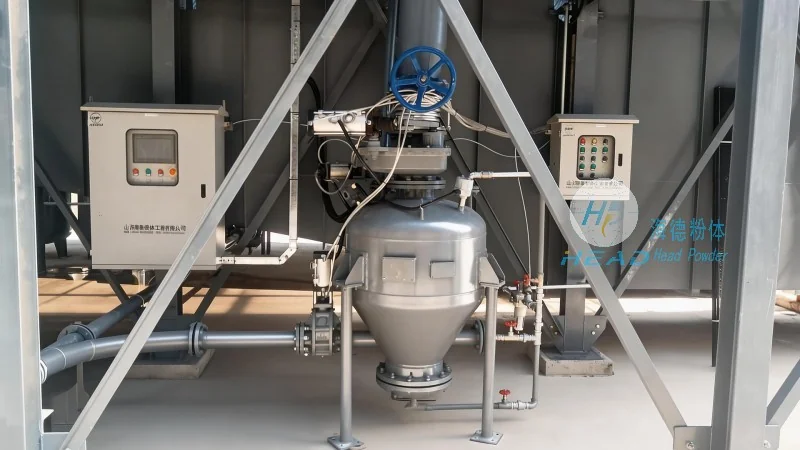
Shandong Headpowder Engineering Co., Ltd. ensures that every **clay pneumatic conveying** system is tailored to the specific density, particle size, and flow properties of the clay being handled. The technical specifications, including pipe diameter, air pressure, and valve selection, are meticulously calculated to prevent blockages and ensure smooth operation. This attention to detail guarantees that the **material conveying** process is seamless, contributing to the overall productivity and profitability of the client's business.
For manufacturers looking to upgrade their production lines or implement new **clay transportation** infrastructure, partnering with an experienced engineering firm is essential. Shandong Headpowder Engineering Co., Ltd. is dedicated to providing top-tier solutions and technical support to clients worldwide. Their team of experts is ready to assist with system design, installation, and maintenance.
If you are interested in learning more about how **clay pneumatic conveying** can optimize your operations, please do not hesitate to reach out. You can contact our sales department directly. The contact person is Manager Zhang, who can be reached via WeChat at 15662777102. Our headquarters is located in Shandong, China, and we are committed to serving clients with professional service and innovative engineering solutions.

 Shandong Headpowder Engineering Co., Ltd.
 156-6277-7102(Manager Zhang)
  0531-83386006
  Zhangqiu District, Jinan City, Shandong Province, China
telephone
WeChatconsult
top