With more than 10‑year industry experience, Shandong Headpowder delivers full‑service pneumatic‑conveying systems and blowers, undertaking nationwide turn‑key powder‑handling projects.
For industrial applications requiring the efficient and reliable delivery of dry lime, understanding the various transportation methods is crucial. As a leading provider in the field, Shandong HeadPowder Engineering Co., Ltd. (commonly known as HeadPowder) offers insights into the different approaches used to transport dry lime, ensuring optimal performance and safety in operations.
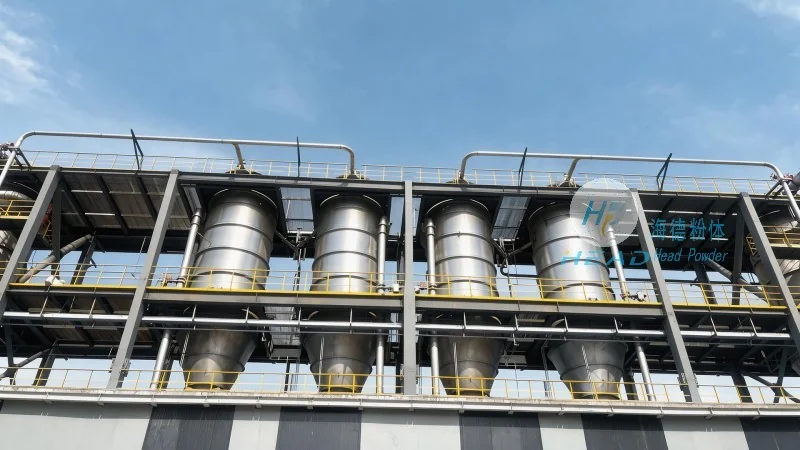
HeadPowder, based in Shandong, China, specializes in engineering solutions for material handling and processing. With years of experience, the company has developed expertise in designing and implementing systems for dry lime transportation, catering to diverse industrial needs.
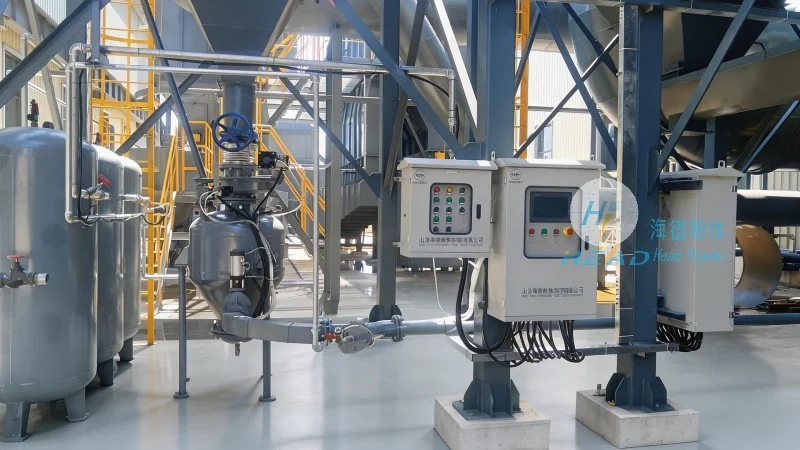
Pneumatic conveying, also known as air-pneumatic transport, is a popular method for transporting dry lime over short to medium distances. This system uses compressed air to move the material through a pipeline. It is particularly effective for handling fine powders like dry lime, as it minimizes dust generation and ensures a consistent flow. The system typically consists of a hopper, a rotary valve, and a pipeline with a receiver at the destination. Pneumatic conveying is ideal for applications where dust control is a priority and the distance between the source and destination is manageable, typically up to several hundred meters.
Belt conveyors are widely used in bulk material handling, including the transport of dry lime. These systems utilize a continuous belt to move material from one point to another. For dry lime, a heavy-duty belt made of materials resistant to abrasion and chemical exposure is employed. The conveyor may be inclined or horizontal, depending on the layout of the facility. Belt conveyors are suitable for longer distances and higher volumes, as they can handle large quantities of material efficiently. They are often integrated with storage silos or processing equipment, providing a seamless flow from extraction to processing.
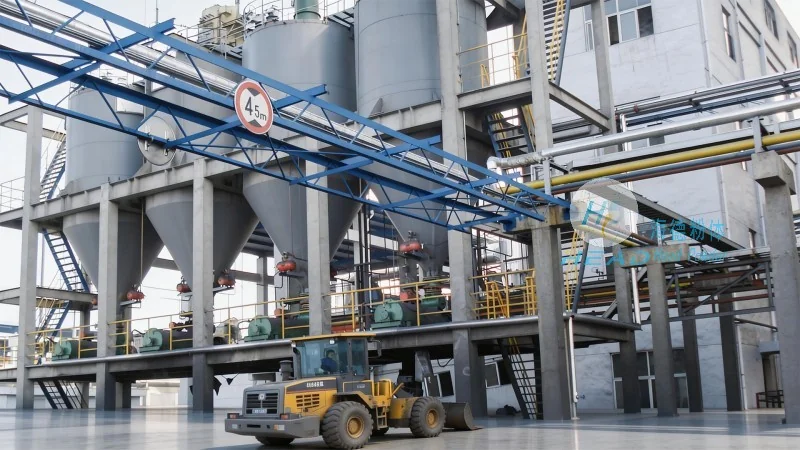
For longer distances or when transporting dry lime to off-site locations, truck transportation is a common method. This involves loading the dry lime into bulk trucks equipped with specialized containers to prevent dust and spillage. The trucks are designed to maintain the material's integrity during transit, with features such as airtight compartments and secure loading mechanisms. Truck transportation is flexible and can reach remote sites or industrial facilities that are not connected by fixed infrastructure. It is particularly useful for supplying dry lime to construction sites, power plants, or other end-users located away from the production facility.
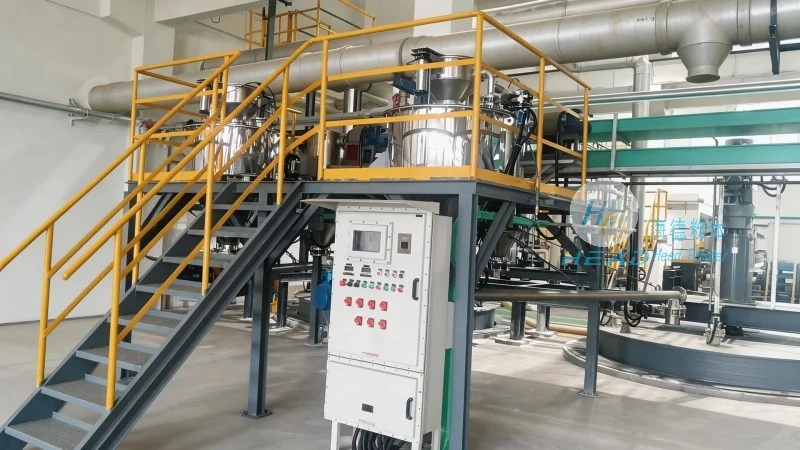
Screw conveyors, also known as auger conveyors, are another effective method for transporting dry lime, especially in vertical or inclined applications. These systems use a rotating screw (auger) to move material along a trough. Screw conveyors are suitable for moderate distances and can handle dry lime with varying moisture content. They are often used in conjunction with other equipment, such as mixers or feeders, to control the flow rate and ensure uniform delivery. The design of the screw and trough can be customized to accommodate different particle sizes and material characteristics, making screw conveyors a versatile option for dry lime transportation.
Hydraulic conveying, or slurry transport, involves mixing dry lime with water to form a slurry, which is then pumped through pipelines. This method is suitable for transporting dry lime over longer distances, especially in applications where the material needs to be delivered to a processing plant or storage facility. Hydraulic conveying can handle larger volumes and is effective in overcoming significant elevation changes. However, it requires additional equipment for slurry preparation and handling, and the system must be designed to prevent clogging and maintain the material's consistency.

 Shandong Headpowder Engineering Co., Ltd.
 156-6277-7102(Manager Zhang)
  0531-83386006
  Zhangqiu District, Jinan City, Shandong Province, China
telephone
WeChatconsult
top