With more than 10‑year industry experience, Shandong Headpowder delivers full‑service pneumatic‑conveying systems and blowers, undertaking nationwide turn‑key powder‑handling projects.
Resin powder pneumatic conveying systems are essential for efficient material handling in various industrial applications. These systems utilize air or gas to transport resin powders from one location to another, offering a dust-free, low-cost, and flexible solution compared to traditional mechanical conveying methods. The operation and working principles of such systems are crucial for ensuring optimal performance and reliability in production lines.
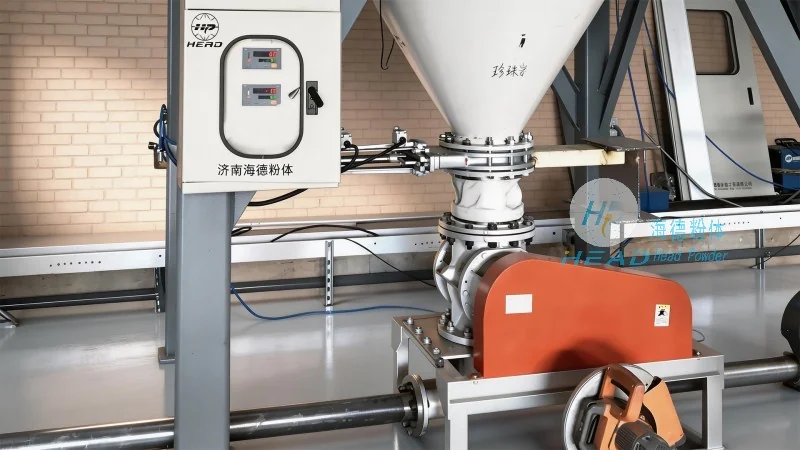
Resin powder pneumatic conveying systems typically consist of several key components that work in tandem to facilitate the movement of resin powders. The primary components include a hopper for material storage, a conveyor line (either positive or negative pressure), a filter system to capture and return excess powder, and a dust collector to ensure environmental compliance. Each component plays a vital role in maintaining the system's efficiency and safety. The company, Shandong HeadPowder Engineering Co., Ltd., specializes in designing and manufacturing these systems, with a focus on custom solutions tailored to specific industrial needs.
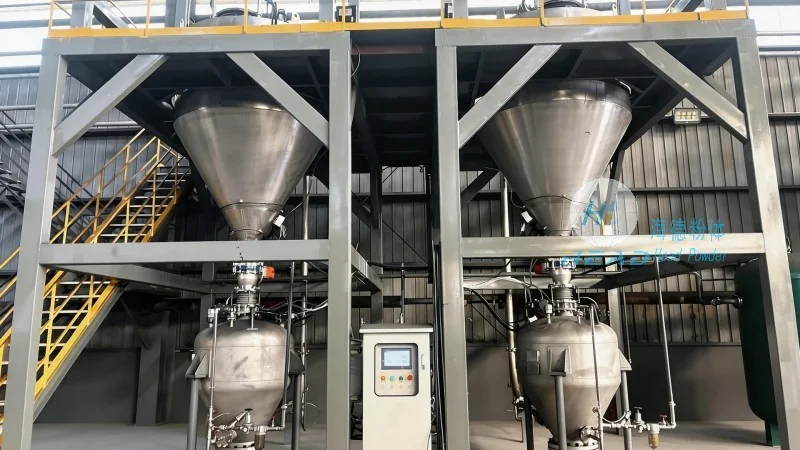
The operation of a resin powder pneumatic conveying system involves a series of controlled steps to ensure smooth material transfer. First, resin powder is fed into the hopper from the source container. The system then activates the conveyor line, which can operate under either positive or negative pressure depending on the application requirements. Positive pressure systems force air through the material, while negative pressure systems draw air and powder through the line. As the powder moves through the conveyor, it is transported to the destination point, such as a processing unit or storage silo. The system continuously monitors pressure and flow rates to maintain consistent performance. The company's expertise in system design ensures that each operational step is optimized for minimal downtime and maximum productivity.
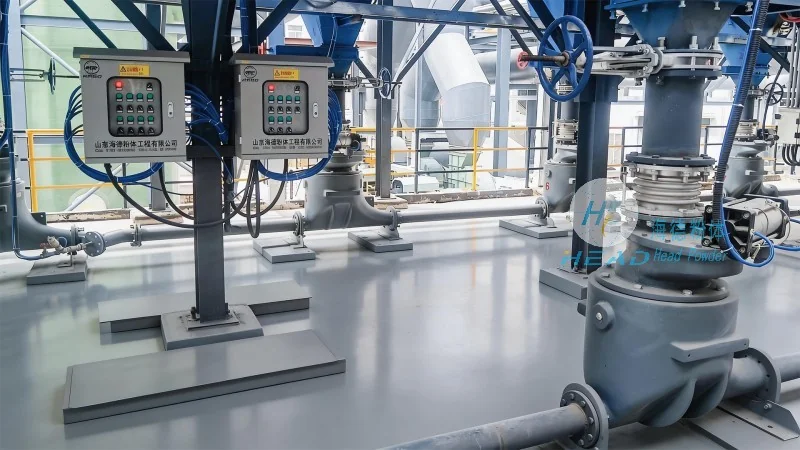
The working principle of a resin powder pneumatic conveying system is based on the principles of fluid dynamics and particle movement. In positive pressure systems, a blower or compressor generates high-pressure air that is introduced into the hopper. This air lifts the resin powder particles and propels them through the conveyor line. The air and powder mixture travels to the receiving end, where a separator or filter separates the powder from the air. The air is then recirculated back to the system, while the powder is collected and delivered to the destination. In negative pressure systems, a vacuum pump creates a low-pressure environment that draws air and powder from the hopper into the conveyor line. The mixture is then transported to the receiving end, where the powder is separated from the air and collected. The company's engineers design the system's pressure and flow parameters to match the specific characteristics of the resin powder, ensuring efficient and reliable transport.
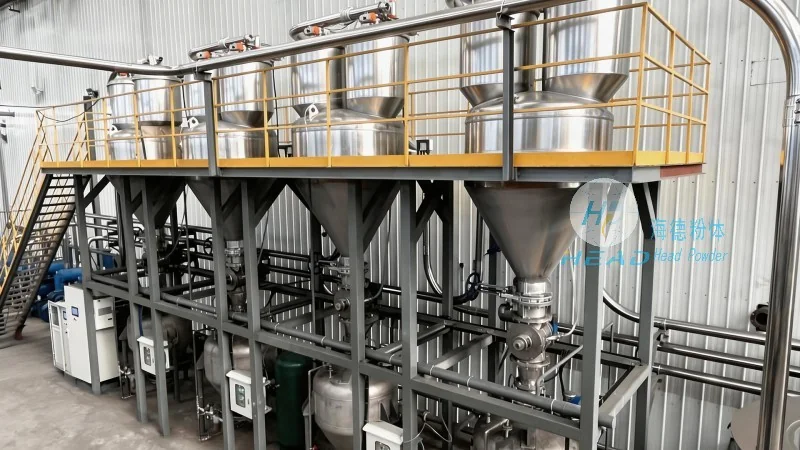
Resin powder pneumatic conveying systems offer several advantages over traditional mechanical conveying methods. These include reduced dust generation, lower maintenance costs, and the ability to transport materials over long distances without the need for complex infrastructure. The systems are widely used in industries such as plastics manufacturing, pharmaceuticals, and food processing, where the handling of fine powders requires precision and cleanliness. Shandong HeadPowder Engineering Co., Ltd. has successfully implemented these systems in various industrial applications, providing customized solutions that meet the unique requirements of each client. The company's commitment to quality and innovation ensures that their systems deliver consistent performance and reliability in demanding industrial environments.

 Shandong Headpowder Engineering Co., Ltd.
 156-6277-7102(Manager Zhang)
  0531-83386006
  Zhangqiu District, Jinan City, Shandong Province, China
telephone
WeChatconsult
top