With more than 10‑year industry experience, Shandong Headpowder delivers full‑service pneumatic‑conveying systems and blowers, undertaking nationwide turn‑key powder‑handling projects.
Automatic bulk material pneumatic conveying systems are sophisticated industrial solutions designed to efficiently transport dry bulk materials from one location to another using air as the primary conveying medium. These systems are integral to modern manufacturing and processing facilities, offering a reliable and flexible method for handling a wide range of materials such as powders, granules, and fine particles. The operation process and working principle of such systems involve several key components and steps that work in tandem to ensure smooth and consistent material transfer.
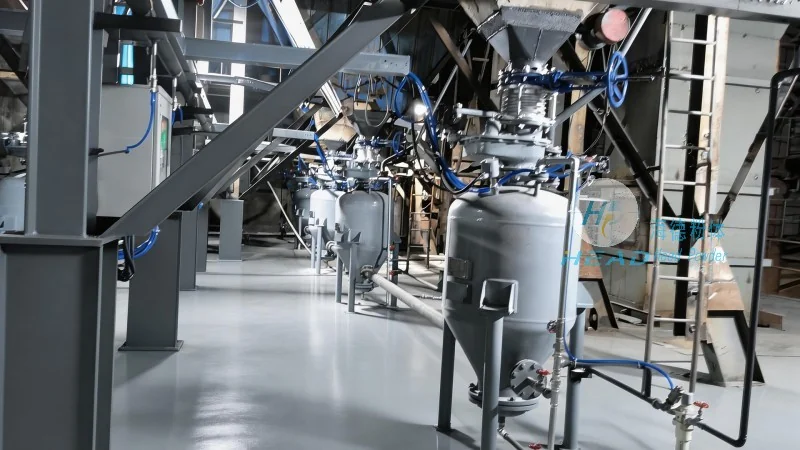
The core components of an automatic bulk material pneumatic conveying system typically include a hopper or feed bin for material storage, a feeder (often a screw or rotary valve) to control the flow rate of material, a conveying line (usually made of metal or plastic pipes), a blower or air compressor to generate the necessary air pressure, and a receiver or discharge hopper where the material is deposited. Each component plays a crucial role in the overall functionality of the system, ensuring that material is conveyed without blockages or loss of efficiency.
The working principle of a pneumatic conveying system is based on the use of compressed air to create a flow that transports the bulk material through the conveying line. When the feeder releases material into the conveying line, the air from the blower is introduced, creating a low-pressure zone that draws the material along with the air stream. This process, known as dilute-phase or dense-phase conveying depending on the air-to-material ratio, allows for the efficient movement of materials over long distances or through complex layouts without the need for mechanical components like belts or buckets.
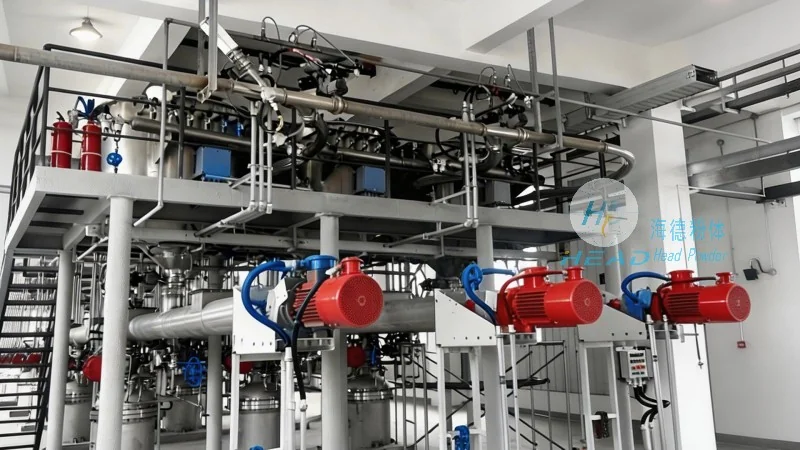
The operation process of an automatic bulk material pneumatic conveying system can be broken down into several sequential steps that ensure consistent and controlled material transfer. First, the bulk material is loaded into the feed hopper or storage bin. The feeder then regulates the flow of material into the conveying line, typically by adjusting the speed or rotation of the screw or valve. Simultaneously, the blower or air compressor generates the required air pressure, which is directed into the conveying line. As the material enters the line with the air, it is carried through the system to the discharge point. The receiver or discharge hopper collects the material, and the system continues to operate until the material supply is depleted or the process is manually stopped.
Automatic bulk material pneumatic conveying systems offer numerous advantages over traditional mechanical conveying methods. These include reduced labor costs due to automated operation, improved safety by minimizing human interaction with moving parts, and enhanced flexibility in handling different material types and processing requirements. Additionally, these systems are highly efficient in terms of energy consumption and can handle materials that are difficult to transport using conventional methods, such as fine powders that are prone to caking or dust generation.
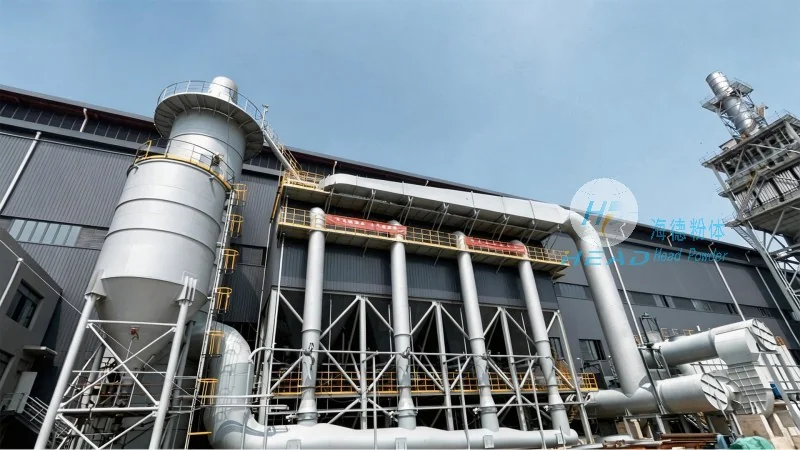
The versatility of automatic bulk material pneumatic conveying systems makes them suitable for a wide range of industrial applications. In the chemical industry, they are used to transport raw materials and finished products, ensuring a clean and dust-free environment. In the food and pharmaceutical sectors, these systems are employed to handle sensitive materials, maintaining strict hygiene standards. Furthermore, in the mining and construction industries, they facilitate the movement of bulk materials like ores, cement, and aggregates, contributing to increased productivity and operational efficiency.
To ensure optimal performance and longevity of the automatic bulk material pneumatic conveying system, regular maintenance is essential. This includes checking the condition of the feeder and hopper, inspecting the conveying line for blockages or wear, and monitoring the air compressor or blower for proper operation. Proper maintenance not only prevents system downtime but also extends the lifespan of the equipment. Operational considerations also involve adjusting the air pressure and flow rate based on the material being conveyed, as different materials may require different conveying parameters to achieve efficient transport.

 Shandong Headpowder Engineering Co., Ltd.
 156-6277-7102(Manager Zhang)
  0531-83386006
  Zhangqiu District, Jinan City, Shandong Province, China
telephone
WeChatconsult
top