With more than 10‑year industry experience, Shandong Headpowder delivers full‑service pneumatic‑conveying systems and blowers, undertaking nationwide turn‑key powder‑handling projects.
Chili powder, as a widely used spice with rich flavor and diverse applications, requires efficient and reliable handling to maintain its quality and safety. The pneumatic conveying system is a critical technology in the processing industry, particularly for handling fine powders like chili powder. This article explores the operation process and working principle of a chili powder pneumatic conveying system, highlighting its technical features and practical applications, developed by Shandong HeadPowder Engineering Co., Ltd., a leading manufacturer in the field.
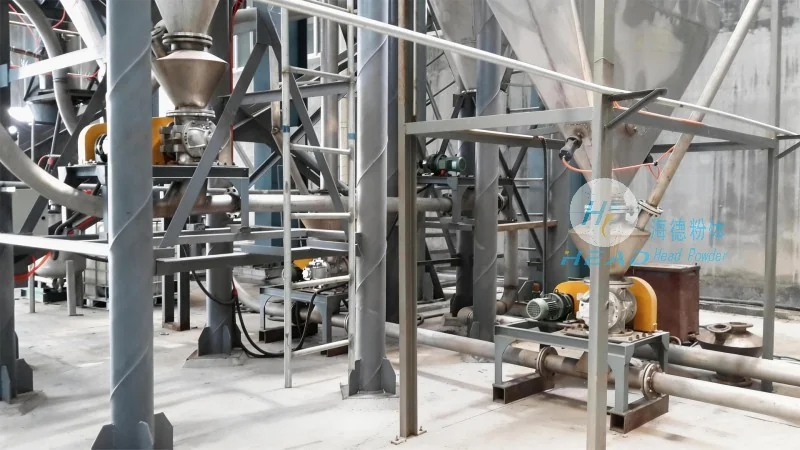
Pneumatic conveying systems use air as the medium to transport bulk materials, such as powders, granules, and small particles, from one location to another. Unlike mechanical conveying methods like belts or screws, pneumatic systems offer advantages in terms of flexibility, cleanliness, and the ability to handle sensitive materials without contamination. For chili powder, which is sensitive to moisture and temperature changes, a well-designed pneumatic system is crucial to maintain its quality and flavor profile.
A typical chili powder pneumatic conveying system consists of several key components, each playing a vital role in the overall operation. These components include the hopper (or storage silo), feeder, air compressor, conveying line, dust collector, and control system. The hopper is responsible for storing the chili powder, ensuring a consistent supply to the feeder. The feeder, often a rotary valve or a star feeder, regulates the flow rate of the powder into the conveying line. The air compressor generates the necessary pressure and airflow to move the powder through the system. The conveying line, usually made of stainless steel or other corrosion-resistant materials, transports the powder and air mixture. The dust collector removes any fine particles that may escape from the system, ensuring environmental compliance and product purity. The control system monitors and adjusts the operation parameters, such as air pressure and flow rate, to maintain optimal performance.
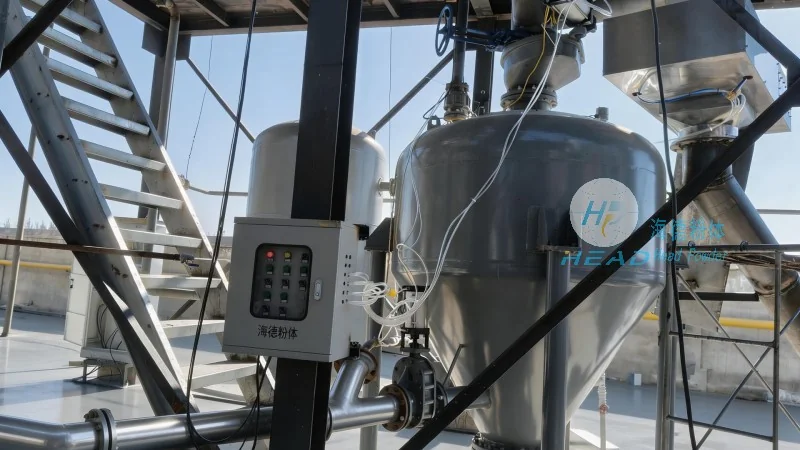
The operation of a chili powder pneumatic conveying system follows a sequential process. First, the chili powder is fed from the hopper into the feeder. The feeder then releases the powder into the conveying line at a controlled rate. Simultaneously, the air compressor supplies compressed air into the conveying line, creating a flow that carries the powder particles. As the air and powder mixture moves through the line, the powder is suspended and transported to the destination, such as a processing unit or a storage silo. The system may include multiple conveying lines or branches to distribute the powder to different locations. At the end of the conveying line, the powder is separated from the air, typically through a cyclone separator or a filter, and collected in the receiving hopper. The air, now free of powder particles, is then discharged or recirculated back into the system, depending on the design.
The operation process of the system can be broken down into several stages, each requiring precise control to ensure efficiency and safety. The initial stage involves preparing the system for operation, which includes checking the hopper level, verifying the air compressor pressure, and ensuring all components are properly lubricated and functional. Once the system is ready, the air compressor is started, and the feeder is activated to begin the powder flow. The control system monitors the pressure and flow rates, adjusting them as needed to maintain a stable conveying process. During operation, the system continuously transports the chili powder, with the dust collector working to capture any fine particles that may be released. The receiving hopper is monitored for level, and when it reaches a certain level, the system may be adjusted or stopped to prevent overfilling. The entire process is designed to be automated, with minimal human intervention required, reducing labor costs and improving operational consistency.
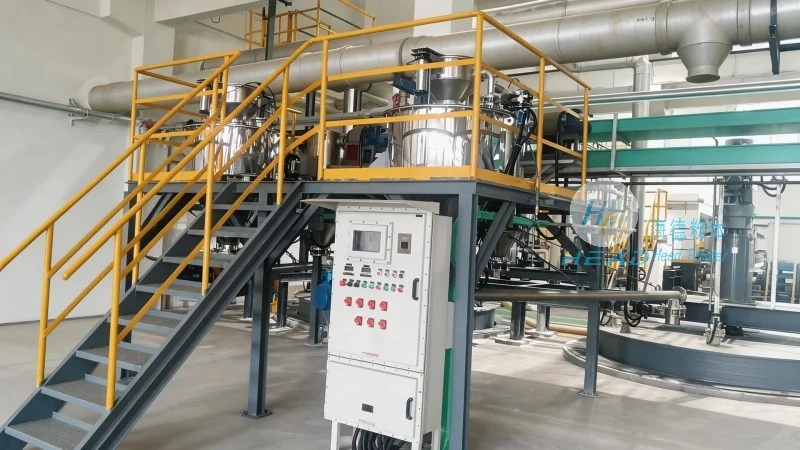
The chili powder pneumatic conveying system offers several key features and benefits that make it an ideal choice for handling this sensitive material. One of the primary benefits is the ability to handle fine powders without causing segregation or agglomeration, which can affect the product's quality. The system also provides a clean and hygienic environment, as the powder is contained within the conveying line and the dust collector prevents dust from escaping into the workspace. Additionally, the system is flexible and can be easily modified to accommodate changes in production volume or product specifications. The use of stainless steel components ensures durability and resistance to corrosion, which is important for handling chili powder that may contain acidic or moisture-rich particles. The system also contributes to energy efficiency by using compressed air as the primary transport medium, reducing the need for mechanical components that may require more maintenance.
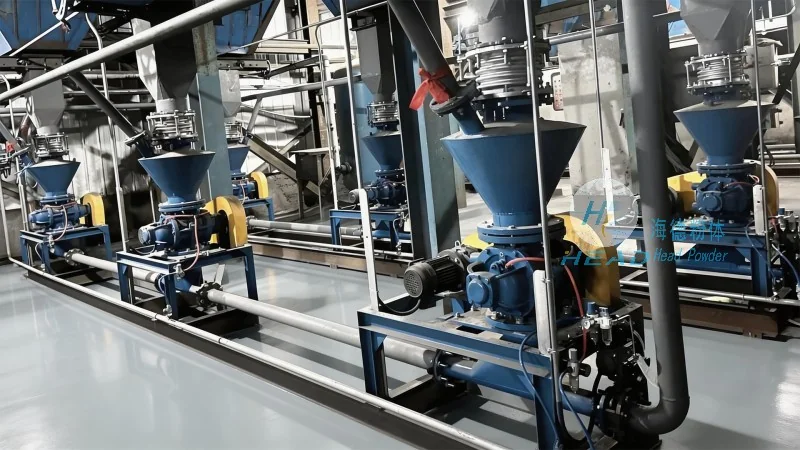
The chili powder pneumatic conveying system is widely used in various industries that process chili powder and other fine powders. These industries include food processing, pharmaceuticals, and chemical manufacturing. In the food industry, the system is used in chili powder production lines to transport raw chili powder from storage to processing units, such as grinding or mixing equipment. In pharmaceutical applications, the system is used to handle chili powder as an ingredient in herbal supplements or medicinal products, ensuring that the powder is transported without contamination. In chemical manufacturing, the system may be used to transport chili powder as a raw material in the production of spices or flavorings. The versatility of the system makes it suitable for a wide range of applications, from small-scale operations to large industrial plants.
Maintaining the chili powder pneumatic conveying system is essential to ensure its long-term performance and safety. Regular maintenance tasks include checking the air compressor for wear and tear, cleaning the conveying line and dust collector to prevent clogging, and inspecting the feeder and hopper for any signs of damage or wear. The system should be cleaned regularly to remove any chili powder residue, which can affect the system's efficiency and product quality. Safety considerations are also important, as the system operates at high pressures and involves moving parts. Proper training for operators is required to ensure they understand the system's operation and safety protocols. The system should also be equipped with safety features, such as pressure relief valves and emergency stop buttons, to prevent accidents and ensure operator safety.

 Shandong Headpowder Engineering Co., Ltd.
 156-6277-7102(Manager Zhang)
  0531-83386006
  Zhangqiu District, Jinan City, Shandong Province, China
telephone
WeChatconsult
top