With more than 10‑year industry experience, Shandong Headpowder delivers full‑service pneumatic‑conveying systems and blowers, undertaking nationwide turn‑key powder‑handling projects.
Multi-functional pneumatic conveying systems are advanced industrial equipment designed to transport bulk materials efficiently through the use of air pressure. These systems are widely used in various industries such as food processing, pharmaceuticals, chemicals, and mining, offering a flexible and reliable solution for material handling. The operation and working principles of such systems are crucial for understanding their effectiveness and maintenance.
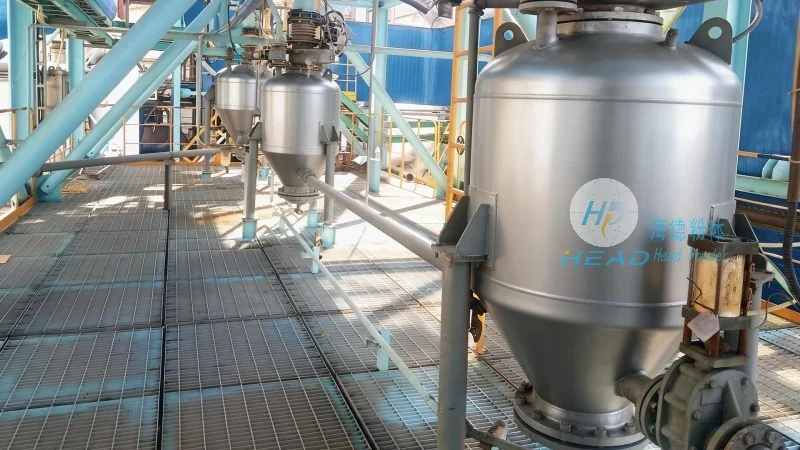
HeadPowder, a leading manufacturer in the field, specializes in the design, production, and installation of high-quality pneumatic conveying systems. With a strong presence in Shandong, China, the company has built a reputation for delivering robust and efficient solutions tailored to the specific needs of clients. The company's commitment to innovation and quality ensures that each system meets the highest industry standards.
All pneumatic conveying systems, regardless of their complexity, consist of several core components that work in harmony to achieve material transport. The primary components include a material hopper or feeder, a conveyor line (usually a pipe), a blower or air compressor, and a receiver or discharge hopper. The material hopper is responsible for storing and feeding the bulk material into the system. The conveyor line, typically made of stainless steel or other corrosion-resistant materials, provides the path for the material to travel. The blower or air compressor generates the necessary air pressure to move the material through the pipe. Finally, the receiver or discharge hopper collects the material at the destination point.
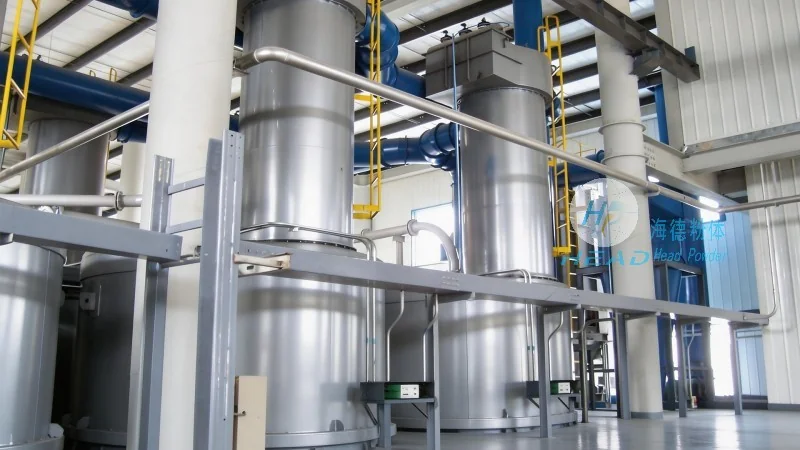
The working principle of a pneumatic conveying system is based on the movement of material particles suspended in a stream of air. There are two main types of pneumatic conveying systems: dilute-phase and dense-phase. Dilute-phase systems operate at higher air velocities, where the material is carried as a fine mist or suspended particles, allowing for longer transport distances and higher throughput. Dense-phase systems, on the other hand, operate at lower air velocities, where the material is transported in a more concentrated form, often in the form of slugs or plugs. This method is particularly useful for transporting sensitive materials that require minimal agitation.
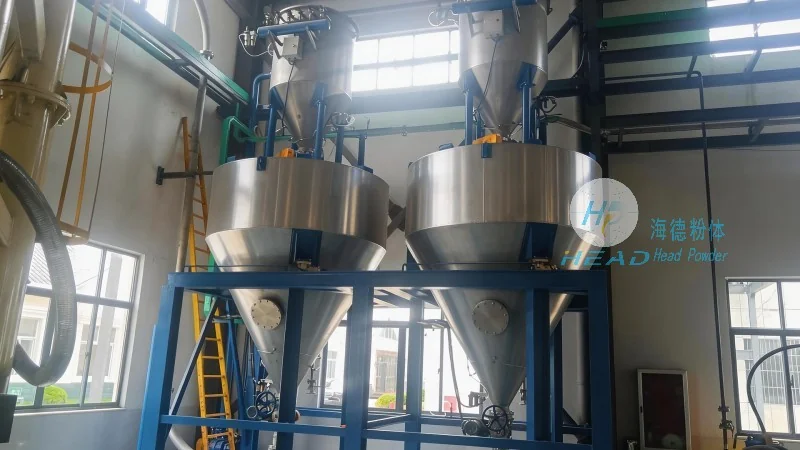
The operation process of a multi-functional pneumatic conveying system involves several steps to ensure smooth and efficient material transport. First, the bulk material is loaded into the material hopper. The feeder then regulates the flow of material into the conveyor line. The blower or air compressor then starts, generating the required air pressure. As the air flows through the pipe, it picks up the material particles and transports them to the receiver. The receiver collects the material and may include a discharge valve or other equipment to control the release of the material. The system may also include additional components such as filters, cyclones, or separators to remove air from the material stream and ensure clean material delivery.
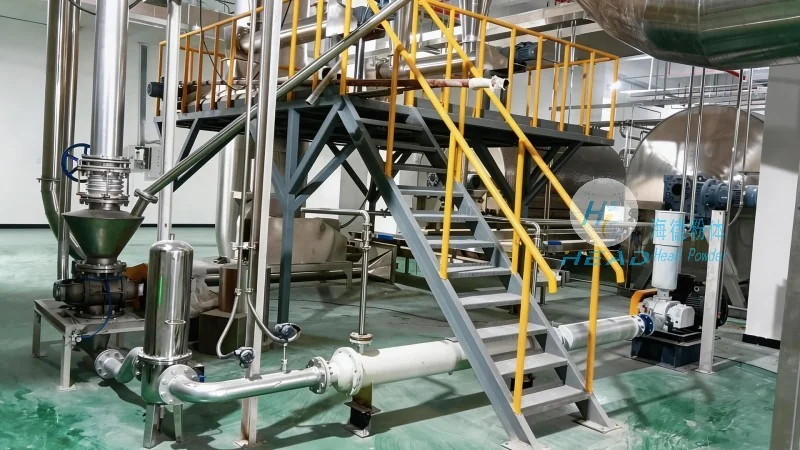
Multi-functional pneumatic conveying systems offer numerous advantages over traditional material handling methods. These systems are highly flexible, allowing for changes in material type, flow rate, and transport distance without significant modifications. They are also relatively compact, requiring less floor space compared to other systems like belt conveyors. Additionally, pneumatic conveying systems are capable of handling a wide range of materials, including powders, granules, and even bulk solids with varying moisture content. The systems are also hygienic and easy to clean, making them suitable for industries with strict sanitary requirements, such as food and pharmaceuticals. Furthermore, they can be integrated with other equipment, such as mixers, classifiers, or packaging machines, to create a comprehensive material handling solution.
Maintaining the proper operation of a multi-functional pneumatic conveying system is essential to ensure its longevity and efficiency. Regular maintenance includes checking the air compressor or blower for proper performance, inspecting the conveyor line for blockages or wear, and cleaning the filters and cyclones to prevent clogging. If the system experiences issues such as reduced throughput or material buildup, it is important to check the feeder settings, the air pressure, and the condition of the material hopper. HeadPowder provides comprehensive maintenance services and technical support to help clients keep their systems running smoothly.

 Shandong Headpowder Engineering Co., Ltd.
 156-6277-7102(Manager Zhang)
  0531-83386006
  Zhangqiu District, Jinan City, Shandong Province, China
telephone
WeChatconsult
top