With more than 10‑year industry experience, Shandong Headpowder delivers full‑service pneumatic‑conveying systems and blowers, undertaking nationwide turn‑key powder‑handling projects.
Light calcium powder pneumatic conveying systems are advanced industrial solutions designed to efficiently transport light calcium powder from one location to another within manufacturing facilities. These systems utilize air as the primary medium to move the powder, offering a dust-free, low-maintenance, and flexible method of material handling. The operation process and working principle of such systems involve several key components and steps that ensure reliable and continuous material transport.
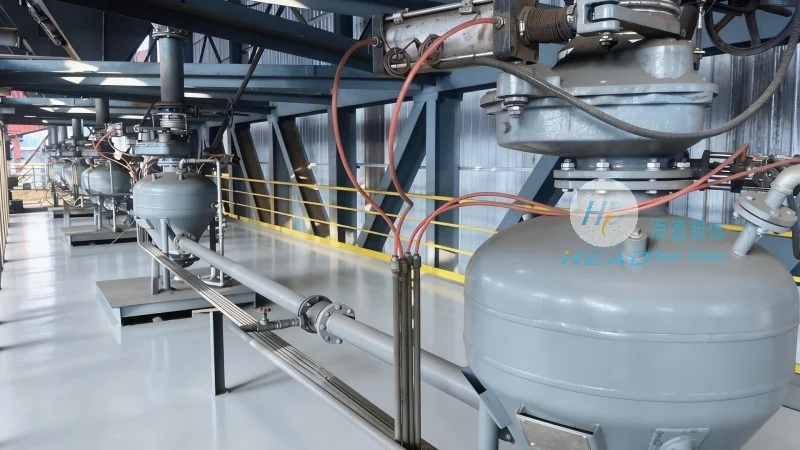
At the core of a light calcium powder pneumatic conveying system are several essential components that work in tandem to achieve efficient material transport. The primary components include a powder feeder, a blower or air compressor, a conveying line (often equipped with bends and straight sections), a dust collector, and a discharge device. The powder feeder is responsible for controlling the flow rate of the light calcium powder into the system, ensuring a consistent and controlled feed. The blower or air compressor generates the necessary air pressure and volume to move the powder through the conveying line. The conveying line, typically made of stainless steel or other corrosion-resistant materials, is designed to withstand the abrasive nature of the light calcium powder and maintain airtight integrity. The dust collector is crucial for capturing any fine particles that may escape during the conveying process, ensuring environmental compliance and product purity. Finally, the discharge device, such as a rotary valve or a venturi system, regulates the release of the powder at the destination point.
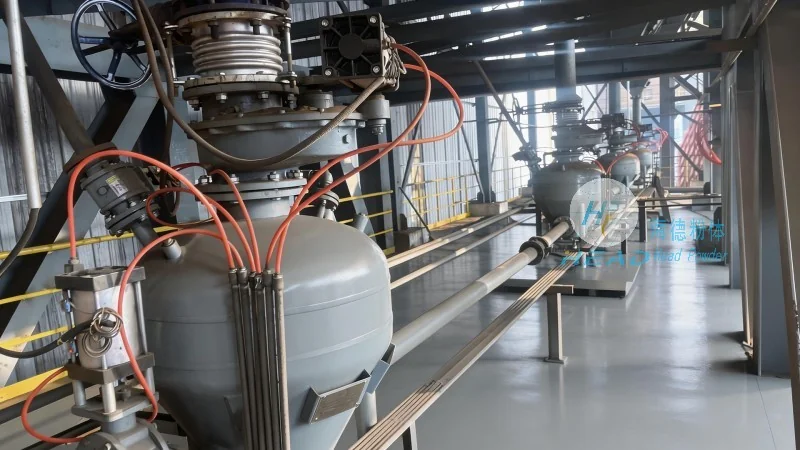
The operation process of a light calcium powder pneumatic conveying system begins with the feeding of light calcium powder into the system via the powder feeder. The feeder ensures a steady flow of the powder, preventing blockages and maintaining consistent material transport. Simultaneously, the blower or air compressor starts operating, generating a flow of air through the conveying line. As the air moves through the line, it picks up the light calcium powder particles, creating a slurry-like mixture known as a "conveying stream." This stream travels through the conveying line, which may include various bends and straight sections to navigate the path from the source to the destination. The conveying line is designed with appropriate diameters and angles to minimize pressure drop and ensure efficient movement of the powder-air mixture. Upon reaching the destination point, the discharge device regulates the release of the powder, allowing it to be deposited into a storage silo, a processing unit, or another location as required. The dust collector continuously operates to capture any fine particles that may have escaped during the conveying process, ensuring that the system remains clean and compliant with environmental regulations.
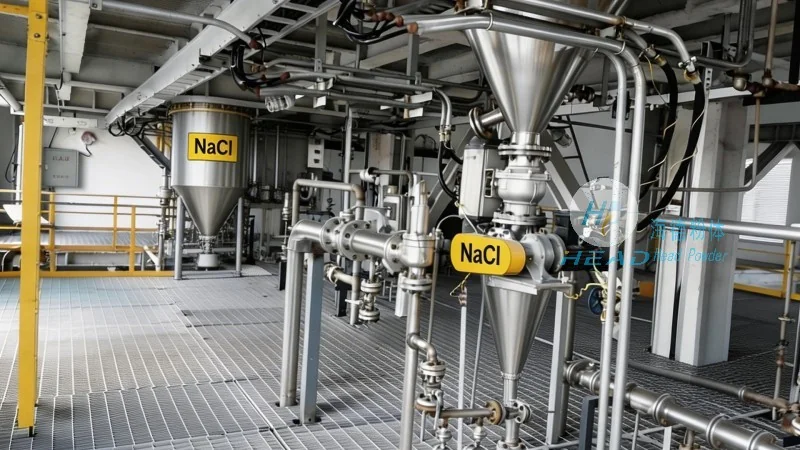
The working principle of light calcium powder pneumatic conveying systems is based on the principle of fluidization and pneumatic transport. When air is introduced into the conveying line at a sufficient velocity, it creates a turbulent flow that lifts and transports the light calcium powder particles. The key to efficient operation is maintaining the air velocity above the "minimum conveying velocity" of the powder, which is the velocity at which the powder particles are just suspended in the air stream without settling. This velocity depends on factors such as the particle size, density, and shape of the light calcium powder, as well as the air pressure and temperature. The system operates by creating a pressure differential between the source and destination points, with the blower or air compressor providing the necessary pressure to move the powder. The pressure drop along the conveying line is managed by optimizing the line diameter, length, and number of bends, ensuring that the pressure remains sufficient to maintain the conveying velocity. The dust collector works in conjunction with the conveying system to capture any fine particles that may have escaped, using filters or cyclones to separate the particles from the air stream. The collected powder is then returned to the system or disposed of as waste, depending on the system design. Overall, the working principle involves the continuous circulation of air and powder, with the air providing the energy to transport the powder while the components work together to ensure efficient and reliable operation.
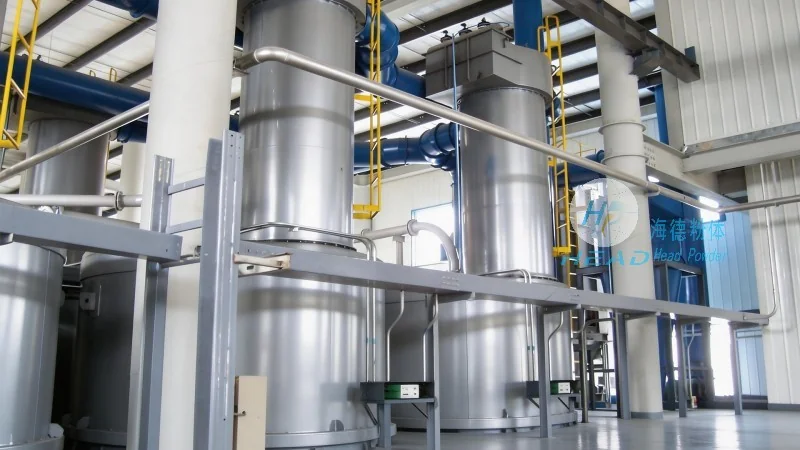
Shandong HeadPowder Engineering Co., Ltd., commonly known as HeadPowder, is a leading manufacturer and supplier of industrial pneumatic conveying systems, including light calcium powder pneumatic conveying systems. With a strong focus on innovation and quality, HeadPowder has established itself as a trusted partner for businesses in the chemical, food, and pharmaceutical industries. The company is headquartered in Shandong, China, and has a team of experienced engineers and technicians dedicated to designing, manufacturing, and installing high-performance pneumatic conveying systems. HeadPowder's products are known for their durability, efficiency, and reliability, meeting the demanding requirements of modern industrial applications. The company adheres to strict quality control standards and provides comprehensive after-sales support to ensure customer satisfaction and long-term partnership. Whether for new installations or system upgrades, HeadPowder offers tailored solutions that address the specific needs of each client, helping to improve operational efficiency and reduce material handling costs.

 Shandong Headpowder Engineering Co., Ltd.
 156-6277-7102(Manager Zhang)
  0531-83386006
  Zhangqiu District, Jinan City, Shandong Province, China
telephone
WeChatconsult
top