With more than 10‑year industry experience, Shandong Headpowder delivers full‑service pneumatic‑conveying systems and blowers, undertaking nationwide turn‑key powder‑handling projects.
HeadPowder, a leading provider of advanced material handling solutions, specializes in the design and implementation of pneumatic conveying systems tailored for lithium-ion battery materials. These systems are critical in the production and processing of materials such as lithium carbonate, lithium hydroxide, and other raw materials used in battery manufacturing. The following sections detail the operational process and working principles of such systems, highlighting their efficiency, reliability, and the technical expertise behind their design.
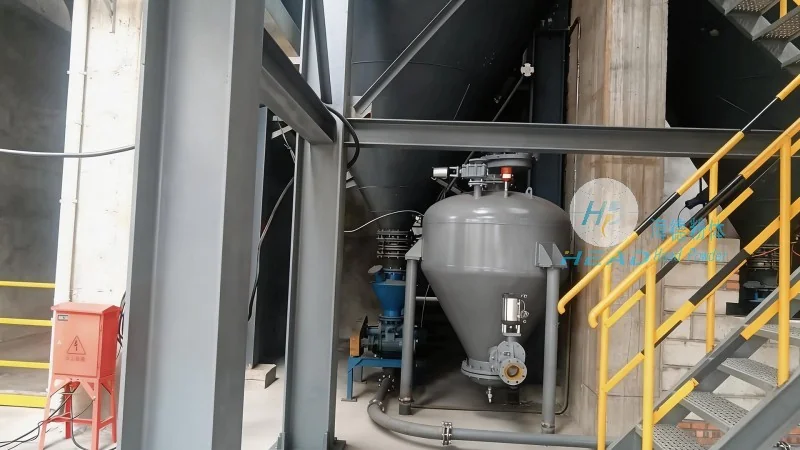
The pneumatic conveying system for lithium-ion battery materials typically consists of several key components that work in tandem to ensure smooth material transport. These components include the material hopper, feeding mechanism, air supply system, conveying pipeline, and collection or discharge unit. Each component plays a vital role in the overall functionality of the system. The material hopper is designed to store and feed the bulk material into the system, often equipped with a rotary valve or screw feeder to control the flow rate. The air supply system generates the necessary air pressure or vacuum to move the material through the pipeline. The conveying pipeline, usually made of stainless steel or other corrosion-resistant materials, ensures the material is transported safely and efficiently. The collection or discharge unit then receives the material and prepares it for the next stage of processing.
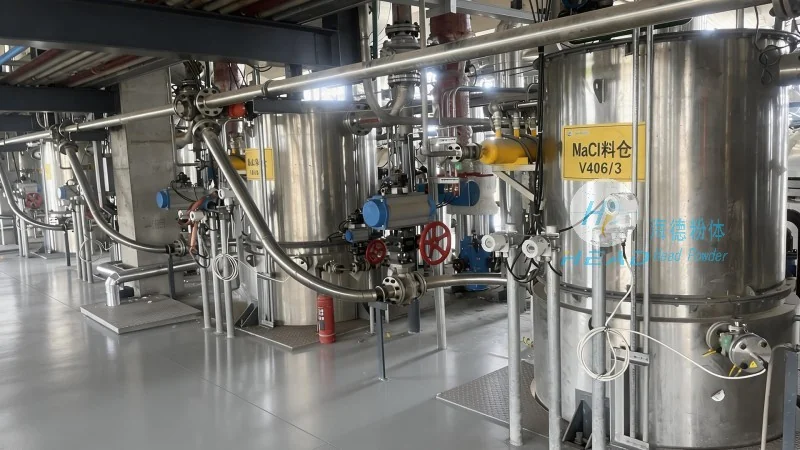
The working principle of the pneumatic conveying system involves the use of air to transport solid materials. There are two main types of pneumatic conveying: pressure and vacuum systems. In a pressure system, compressed air is introduced into the conveying pipeline from the discharge end, pushing the material forward. In a vacuum system, a vacuum is created at the discharge end, drawing the material into the pipeline. For lithium-ion battery materials, a combination of these systems may be used to optimize material handling based on the specific characteristics of the material, such as its particle size, density, and moisture content. The system operates by first feeding the material from the hopper into the pipeline. The air supply then introduces air into the pipeline, creating a flow that lifts and transports the material. The material is carried by the air stream as a suspension, moving through the pipeline until it reaches the collection point. The air and material then separate at the discharge unit, where the material is collected and the air is either filtered or recirculated.
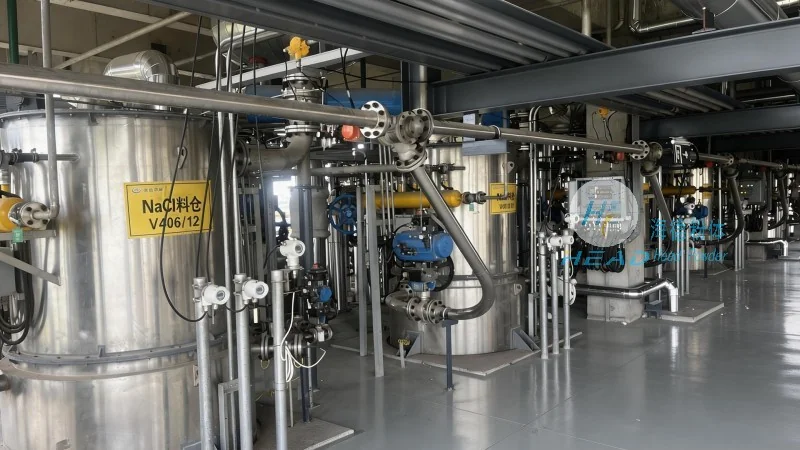
The operational process of the pneumatic conveying system for lithium-ion battery materials follows a systematic sequence to ensure consistent and efficient material transport. The process begins with material loading into the hopper. The feeding mechanism then controls the flow rate of the material into the pipeline. The air supply system adjusts the air pressure or vacuum to maintain the desired conveying velocity. The material travels through the pipeline, and at the discharge end, it is collected. The system continuously monitors parameters such as air pressure, flow rate, and material level to ensure optimal performance. Any deviations are automatically adjusted by the control system to maintain consistent operation. This step-by-step process ensures that the material is handled safely and efficiently, minimizing the risk of material degradation or system downtime.
Pneumatic conveying systems offer several advantages when handling lithium-ion battery materials. These include the ability to transport materials in a closed system, which reduces dust exposure and environmental contamination. The systems are also highly flexible, allowing for changes in material flow rates and pipeline configurations without significant modifications. Additionally, pneumatic conveying systems are capable of handling a wide range of material properties, including fine powders and bulk materials, making them suitable for various stages of battery material processing. The systems are also energy-efficient and can be integrated with existing production lines, reducing the need for additional space or infrastructure. These advantages make pneumatic conveying systems a preferred choice for manufacturers seeking reliable and efficient material handling solutions.
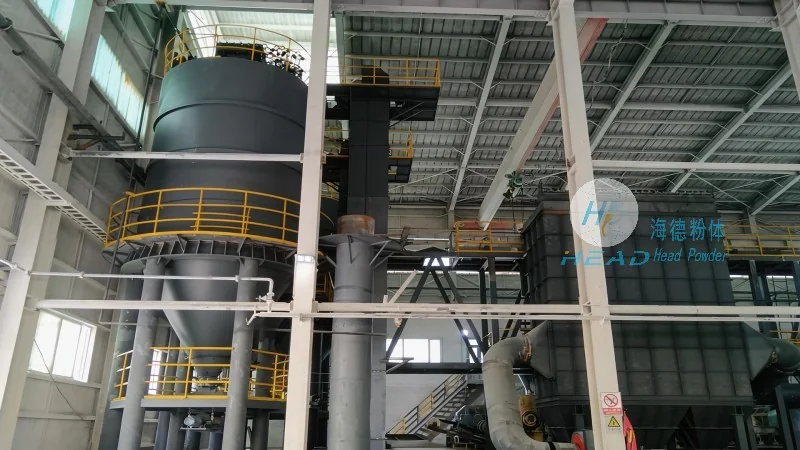
HeadPowder, with its headquarters in Shandong, China, brings over years of experience in designing and manufacturing pneumatic conveying systems for diverse industrial applications. The company's team of engineers and technicians specializes in understanding the unique requirements of lithium-ion battery materials and tailoring systems to meet those needs. Customization is a key aspect of HeadPowder's approach, as each system is designed to address the specific challenges of the client's production process. This includes selecting the appropriate material of construction, determining the optimal conveying velocity, and integrating the system with existing equipment. HeadPowder's commitment to quality and innovation ensures that their systems not only meet but exceed industry standards, providing long-term reliability and performance.

 Shandong Headpowder Engineering Co., Ltd.
 156-6277-7102(Manager Zhang)
  0531-83386006
  Zhangqiu District, Jinan City, Shandong Province, China
telephone
WeChatconsult
top