With more than 10‑year industry experience, Shandong Headpowder delivers full‑service pneumatic‑conveying systems and blowers, undertaking nationwide turn‑key powder‑handling projects.
Denitrization ash, also known as flue gas desulfurization (FGD) ash, is a byproduct generated during the process of removing nitrogen oxides from industrial exhaust gases. Efficient and reliable transport of this ash is crucial for maintaining the operational efficiency of power plants and other industrial facilities. The choice of transport method depends on several factors including the ash characteristics, plant layout, and environmental regulations. This article explores the various methods used for transporting denitrization ash, highlighting the key considerations and technologies employed by industry leaders like Shandong HeadPowder Engineering Co., Ltd.
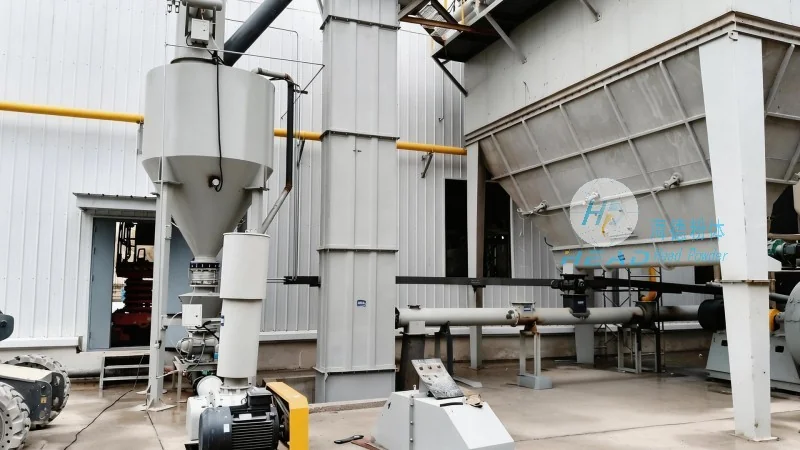
Denitrization ash typically consists of calcium-based compounds, such as calcium sulfite or calcium sulfate, along with other minerals and trace elements. These materials are often fine-grained and can be abrasive, requiring specialized equipment to handle without causing damage or contamination. The transport process must ensure minimal dust emissions, as airborne ash particles can pose health risks and environmental concerns. Additionally, the system needs to be designed for durability and low maintenance to minimize operational downtime.
Several methods are commonly employed for transporting denitrization ash, each with its own advantages and applications. The selection of a method is often based on the specific needs of the facility and the characteristics of the ash being handled.
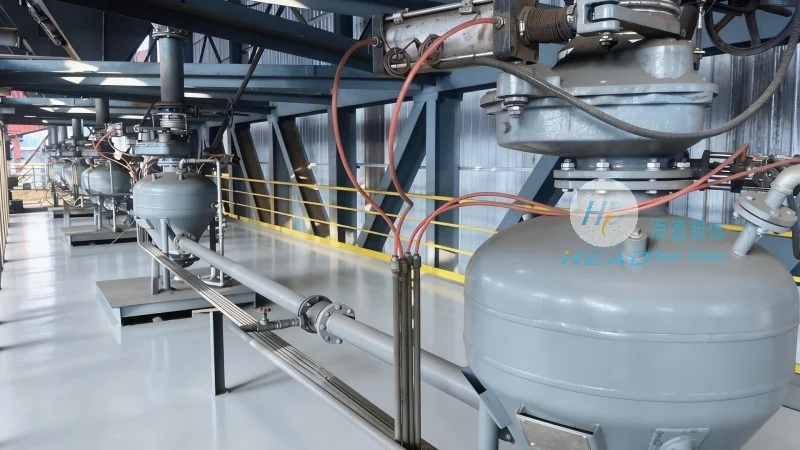
Pneumatic conveying systems use compressed air to transport ash particles through a pipeline. This method is particularly effective for handling fine, dry ash and can be implemented in both positive and negative pressure configurations. Positive pressure systems push the ash through the pipeline using air, while negative pressure systems draw the ash into the system using a vacuum. Pneumatic conveyors offer advantages such as low maintenance, the ability to transport ash over long distances, and the flexibility to integrate with existing plant infrastructure. However, they may require higher energy consumption compared to other methods and can be susceptible to clogging if the ash is too wet or contains large particles.
Belt conveyors are a traditional and widely used method for transporting bulk materials, including denitrization ash. These systems consist of a continuous belt that moves over rollers, transporting the ash from the source to the disposal or utilization point. Belt conveyors are known for their high capacity, reliability, and ability to handle large volumes of ash. They are particularly suitable for horizontal or slightly inclined transport routes and can be equipped with dust suppression systems to minimize emissions. However, they require regular maintenance to ensure the belt remains in good condition and may not be suitable for very long vertical lifts or complex layouts.
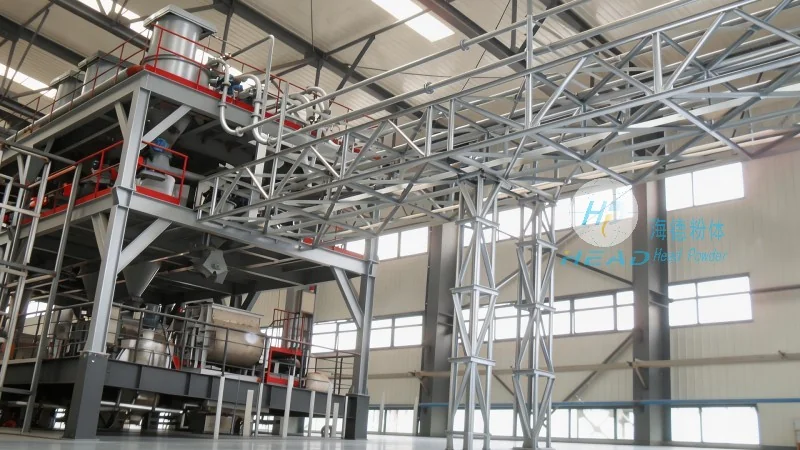
Screw conveyors use a rotating screw or auger to move ash through a tube or trough. This method is effective for handling dry or semi-dry ash and is commonly used for short to medium distance transport within a facility. Screw conveyors are compact, easy to install, and can be integrated into existing plant structures. They are particularly useful for vertical transport or when space is limited. However, they may not be suitable for very fine or abrasive ash, as this can cause excessive wear on the screw and trough.
Hydraulic transport systems use water to transport ash in a slurry form. The ash is mixed with water to create a slurry, which is then pumped through pipelines to the disposal site. This method is effective for handling wet or high-volume ash and can be used over long distances. Hydraulic systems are known for their ability to handle abrasive materials and can be designed to minimize wear and corrosion. However, they require significant water usage and may generate additional wastewater that needs to be treated before disposal.
When selecting a transport method for denitrization ash, several factors must be considered to ensure the most efficient and cost-effective solution. These include the ash's physical properties (such as particle size, moisture content, and abrasiveness), the distance and layout of the transport route, the required capacity, and environmental regulations. Additionally, the cost of equipment, installation, and maintenance should be evaluated against the operational benefits of each method.
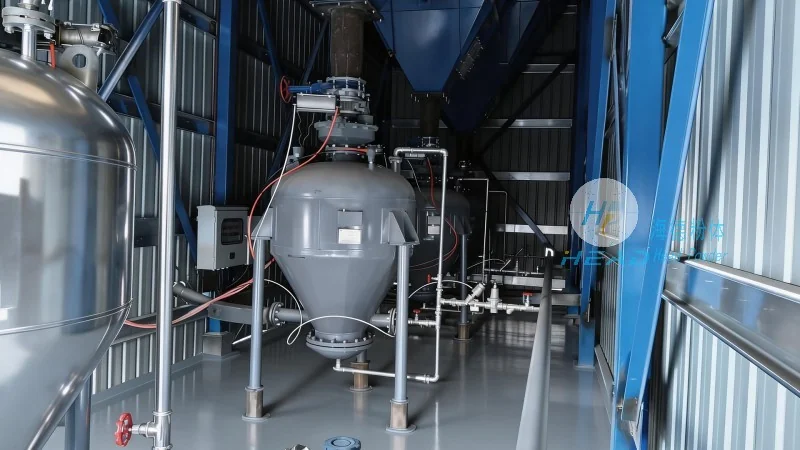
Shandong HeadPowder Engineering Co., Ltd., commonly known as HeadPowder, is a leading provider of engineering solutions for ash handling and transport systems. With a strong presence in China, particularly in Shandong, the company specializes in designing and manufacturing customized transport solutions tailored to the specific needs of power plants and industrial facilities. HeadPowder's expertise lies in integrating various technologies, such as pneumatic conveying, belt conveyors, and slurry transport systems, to create comprehensive ash management solutions. The company's commitment to quality, reliability, and environmental compliance ensures that their systems meet the highest industry standards and contribute to the sustainable operation of their clients' facilities.
Efficient transport of denitrization ash is essential for the smooth operation of industrial facilities and the protection of the environment. By understanding the characteristics of the ash and the available transport methods, facilities can select the most appropriate solution. Companies like Shandong HeadPowder Engineering Co., Ltd. play a crucial role in providing advanced engineering solutions that enhance the efficiency and sustainability of ash handling processes. As technology continues to evolve, the industry will likely see further innovations in ash transport systems, leading to even more efficient and environmentally friendly solutions.

 Shandong Headpowder Engineering Co., Ltd.
 156-6277-7102(Manager Zhang)
  0531-83386006
  Zhangqiu District, Jinan City, Shandong Province, China
telephone
WeChatconsult
top