With more than 10‑year industry experience, Shandong Headpowder delivers full‑service pneumatic‑conveying systems and blowers, undertaking nationwide turn‑key powder‑handling projects.
HeadPowder, a leading manufacturer based in Shandong, China, specializes in the design and production of advanced pneumatic conveying equipment tailored for handling aluminum foil and similar lightweight materials. The company's core focus is on delivering efficient, reliable, and cost-effective solutions for material transport in various industrial applications.
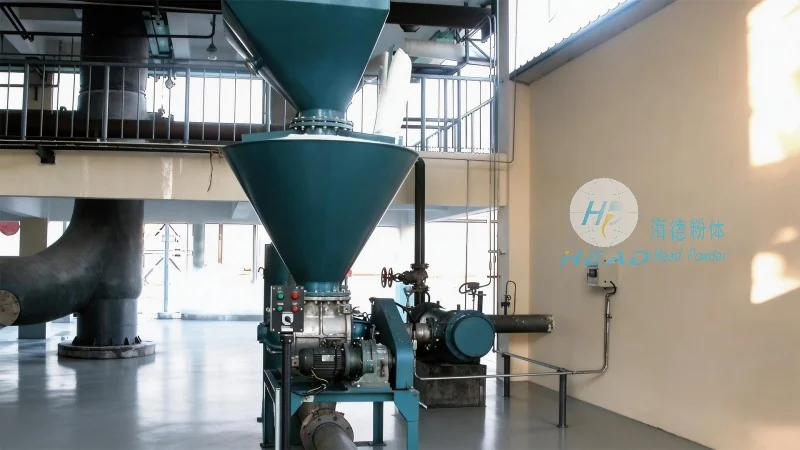
Aluminum foil is a versatile and widely used material in industries such as food packaging, pharmaceuticals, and electronics. However, its lightweight and low bulk density characteristics pose unique challenges during material handling. Traditional methods like belt conveyors or manual handling are often inefficient and may cause material damage. Pneumatic conveying systems offer a solution by utilizing air pressure to transport aluminum foil particles or sheets through a closed pipeline network. This technology not only enhances material flow efficiency but also ensures minimal product contamination and damage.
The fundamental principle behind pneumatic conveying is the use of compressed air to create a flow of material within a pipeline. In the case of aluminum foil handling, the system typically operates under negative pressure (suction) or positive pressure (blowing). The negative pressure system draws material from a hopper or storage container into the pipeline using a vacuum created by a fan or blower. The positive pressure system, on the other hand, forces material through the pipeline by blowing compressed air from the discharge end. For aluminum foil, which is often in sheet or roll form, the equipment may include specialized feeders and separators to break down the material into manageable particles or strips before conveying.
The aluminum foil pneumatic conveying system consists of several critical components that work in tandem to ensure smooth operation. These include: 1. **Hopper and Feeder**: The hopper stores the aluminum foil and feeds it into the conveying line at a controlled rate. The feeder, often a rotary valve or screw feeder, regulates the material flow to prevent blockages and maintain consistent pressure. 2. **Conveying Pipeline**: Made of durable materials like stainless steel or plastic, the pipeline transports the aluminum foil particles or sheets from the feed point to the discharge point. The pipeline design considers the material's properties to minimize friction and ensure efficient flow. 3. **Fan or Blower**: This component generates the necessary air pressure or vacuum to move the material. The choice between a fan (for low-pressure systems) and a blower (for high-pressure systems) depends on the conveying distance and material characteristics. 4. **Separator and Filter**: As the material exits the pipeline, a separator separates the aluminum foil from the air stream. The filter then cleans the air, removing any fine particles or dust before releasing it back into the environment. 5. **Discharge Unit**: The discharge unit collects the aluminum foil at the end of the pipeline and transfers it to the next processing stage, such as packaging or further processing.
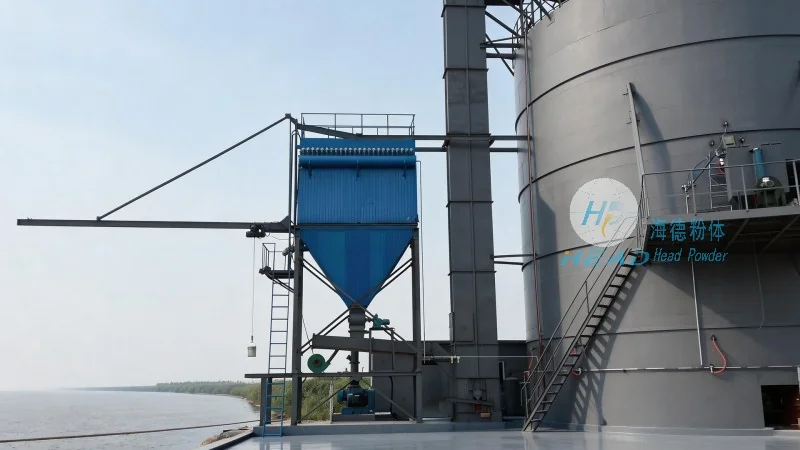
The operation of the aluminum foil pneumatic conveying equipment follows a systematic process that ensures efficient material transport. The steps are as follows: 1. **Material Loading**: Aluminum foil is loaded into the hopper from the storage area. The hopper is designed to accommodate bulk quantities of the material, ensuring a steady supply for continuous operation. 2. **Feeding and Conditioning**: The feeder regulates the flow of aluminum foil from the hopper into the conveying pipeline. This step may include conditioning, such as breaking down large sheets or rolls into smaller pieces to facilitate smooth transport. 3. **Conveying**: The fan or blower creates a negative pressure (suction) that draws the aluminum foil particles or strips into the pipeline. The material is carried along by the air flow, moving from the feed point to the discharge point. 4. **Separation and Filtration**: At the discharge end, the separator separates the aluminum foil from the air stream. The filter then cleans the air, removing any residual particles. 5. **Discharge and Collection**: The aluminum foil is collected in the discharge unit and transferred to the next processing stage. The system may include a storage bin or conveyor to move the material to the packaging or further processing equipment. 6. **System Monitoring and Control**: Modern pneumatic conveying systems are equipped with sensors and control panels that monitor pressure, flow rate, and material level. This allows operators to adjust the system parameters in real-time, ensuring optimal performance and preventing issues such as blockages or air leaks.
Implementing aluminum foil pneumatic conveying equipment offers several advantages over traditional material handling methods. These benefits include: 1. **Efficiency and Speed**: The system enables rapid and continuous material transport, reducing downtime and increasing production throughput. 2. **Minimal Product Damage**: Unlike mechanical conveyors, pneumatic systems minimize physical contact with the aluminum foil, preventing scratches, tears, or other forms of damage. 3. **Clean and Contamination-Free**: The closed pipeline design prevents exposure to external contaminants, ensuring the material remains clean and suitable for sensitive applications like food packaging or pharmaceuticals. 4. **Space Efficiency**: Pneumatic conveying systems are compact and can be installed in limited spaces, making them ideal for facilities with space constraints. 5. **Versatility**: The equipment can handle various forms of aluminum foil, including sheets, rolls, and granules, making it adaptable to different production needs. 6. **Cost-Effectiveness**: Over time, the reduced labor costs, lower maintenance requirements, and increased production efficiency make the system a cost-effective solution for material handling.
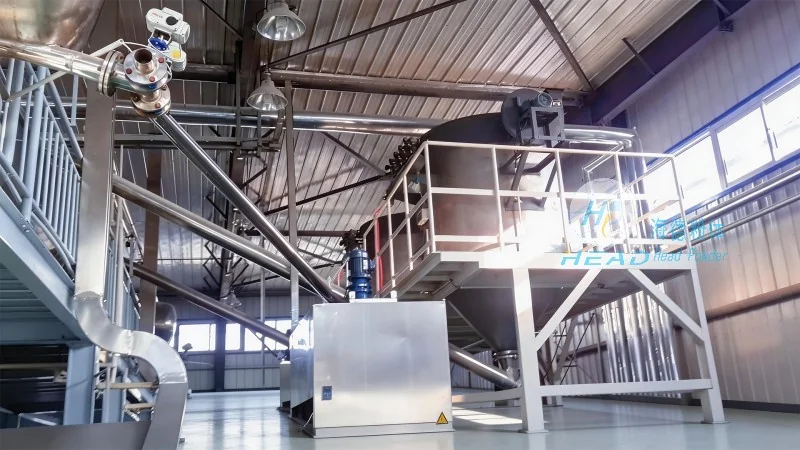
Aluminum foil pneumatic conveying equipment is widely used in several industries due to its ability to handle lightweight and delicate materials. Some of the key applications include: 1. **Food and Beverage Industry**: Used for transporting aluminum foil used in food packaging, such as snack bags or beverage containers. 2. **Pharmaceutical Industry**: Employed in the handling of aluminum foil used for pharmaceutical packaging, ensuring the material remains sterile and free from contamination. 3. **Electronics Industry**: Utilized for transporting aluminum foil used in electronic components, such as capacitors or batteries, where precision and cleanliness are critical. 4. **Packaging Industry**: Applied in the production of aluminum foil packaging for various products, including cosmetics, medical devices, and household items. 5. **Manufacturing Industry**: Used in the handling of aluminum foil during the manufacturing process, such as in the production of foil containers or decorative items.
To ensure the longevity and optimal performance of the aluminum foil pneumatic conveying equipment, regular maintenance is essential. Key maintenance tasks include: 1. **Filter Cleaning**: The air filter should be cleaned or replaced regularly to prevent clogging and maintain efficient air flow. 2. **Pipeline Inspection**: Regular inspection of the pipeline for any signs of wear, corrosion, or blockages is necessary to prevent system failures. 3. **Component Replacement**: Parts such as the fan, feeder, or separator may need replacement over time due to wear and tear. 4. **System Calibration**: Periodic calibration of the control system ensures that the pressure, flow rate, and material level are accurately monitored and controlled. 5. **Operator Training**: Proper training of operators on the system's operation and maintenance is crucial to prevent accidents and ensure efficient performance.
Aluminum foil pneumatic conveying equipment, manufactured by Shandong HeadPowder Engineering Co., Ltd., offers an efficient and reliable solution for handling aluminum foil in various industrial applications. By leveraging the principles of pneumatic conveying, the system ensures minimal product damage, clean material transport, and high operational efficiency. With its versatility and cost-effectiveness, this equipment is an essential component for industries that rely on aluminum foil for packaging, manufacturing, and other processes. HeadPowder's commitment to quality and innovation ensures that their pneumatic conveying systems meet the highest standards of performance and durability, making them a trusted choice for businesses seeking to optimize their material handling operations.

 Shandong Headpowder Engineering Co., Ltd.
 156-6277-7102(Manager Zhang)
  0531-83386006
  Zhangqiu District, Jinan City, Shandong Province, China
telephone
WeChatconsult
top