With more than 10‑year industry experience, Shandong Headpowder delivers full‑service pneumatic‑conveying systems and blowers, undertaking nationwide turn‑key powder‑handling projects.
Calcium oxide, commonly known as quicklime, is a vital industrial material utilized in sectors such as steel production, water treatment, and chemical manufacturing. The efficient and safe transportation of calcium oxide from production sites to processing facilities is crucial for maintaining operational efficiency and product quality. This article provides an overview of calcium oxide pneumatic conveying systems, detailing their structural components and operational principles.
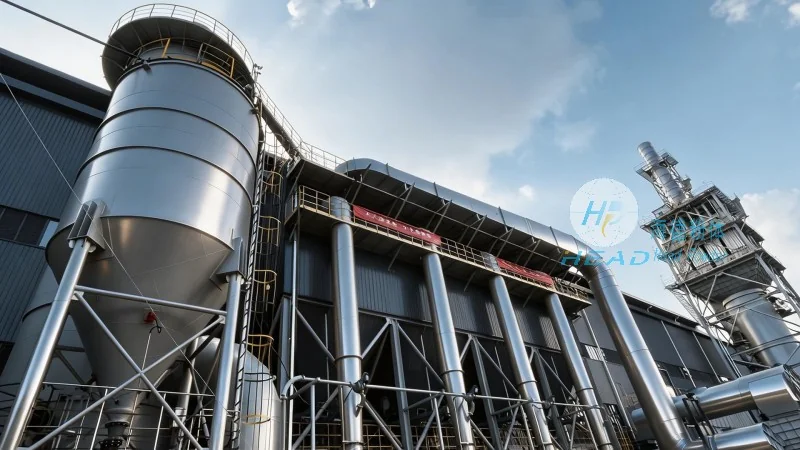
A typical calcium oxide pneumatic conveying system comprises several essential components that collaborate to ensure reliable material transport. The primary components include the material hopper, which stores the calcium oxide, and the conveying pipeline that transports the material. The system also features a blower or compressor that generates the necessary air pressure to move the material through the pipeline. Additionally, a dust collector or filter is often integrated to capture any fine particles and ensure environmental compliance. The system may also include a control panel that monitors and regulates the conveying process, ensuring optimal performance and safety.
The operation of a calcium oxide pneumatic conveying system relies on the principle of air movement to transport the material. The process begins with the material being fed from the hopper into the conveying pipeline. The blower then generates a high-pressure airflow that propels the calcium oxide particles through the pipeline. As the material travels, it may encounter various components such as bends, valves, and expansion joints, which are designed to maintain the flow and prevent blockages. The system is engineered to handle the specific characteristics of calcium oxide, including its density and particle size, to ensure efficient and consistent transport. The dust collector at the end of the system captures any residual particles, preventing them from being released into the environment and ensuring a clean operation.
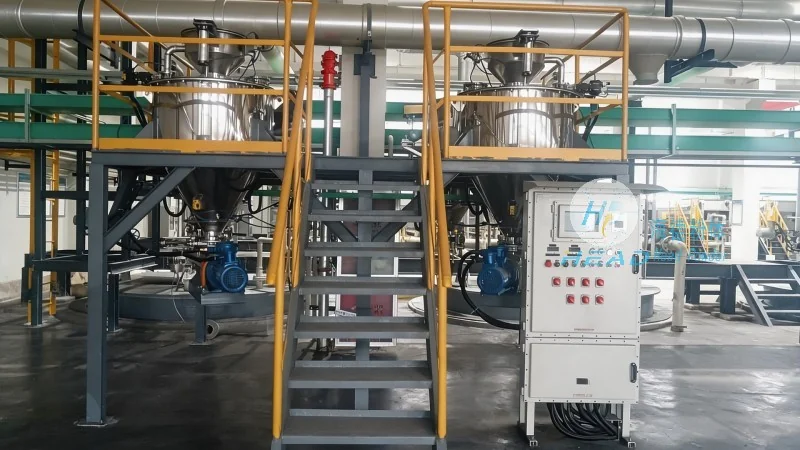
Pneumatic conveying systems offer several advantages when transporting calcium oxide. These systems are capable of handling both dry and wet materials, providing flexibility in material handling. The enclosed pipeline design minimizes dust exposure, enhancing workplace safety and reducing the risk of material contamination. Additionally, pneumatic conveying systems can transport materials over long distances with minimal energy consumption compared to other methods like belt conveyors. The system's ability to operate continuously without the need for manual intervention also contributes to increased productivity and operational efficiency.
Shandong HeadPowder Engineering Co., Ltd., commonly known as HeadPowder, is a leading manufacturer and supplier of industrial conveying systems. With a focus on innovation and quality, HeadPowder specializes in designing and manufacturing pneumatic conveying systems tailored to the needs of various industries, including the calcium oxide sector. The company's commitment to customer satisfaction and technical excellence has established it as a trusted partner in the field of material handling solutions. HeadPowder's team of engineers and technicians work closely with clients to understand their specific requirements and develop customized solutions that meet their operational and safety standards. The company's facilities in Shandong, China, are equipped with advanced technology and quality control measures to ensure that all products meet the highest industry standards.
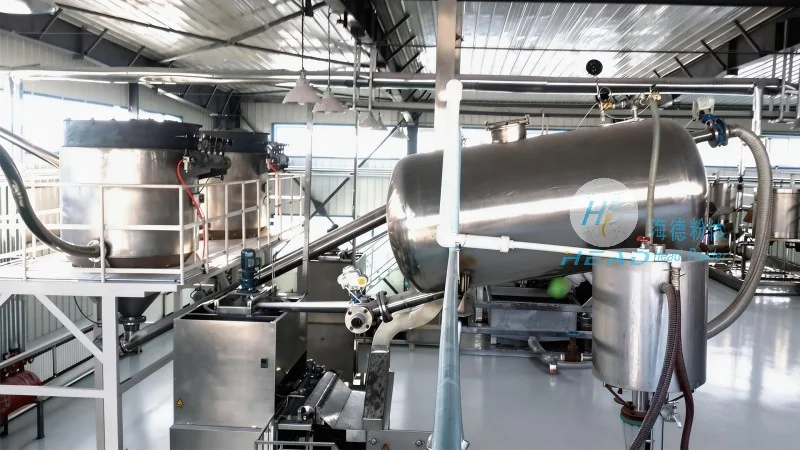
Calcium oxide pneumatic conveying systems are widely used in various industrial applications. In steel production, the system is used to transport quicklime to the blast furnace, where it plays a crucial role in the steelmaking process. In water treatment plants, the system is used to deliver calcium oxide for pH adjustment and water purification. Additionally, the system is used in chemical manufacturing for the transport of raw materials and finished products. The versatility of the pneumatic conveying system makes it suitable for a wide range of applications, ensuring efficient material handling in various industrial settings.
Calcium oxide pneumatic conveying systems are essential for the efficient and safe transportation of this critical industrial material. The system's design and operational principles ensure reliable performance, while the advantages of enclosed transport and flexibility make it a preferred choice for many industries. With the expertise of companies like Shandong HeadPowder Engineering Co., Ltd., manufacturers can access high-quality pneumatic conveying systems that meet their specific needs and contribute to improved operational efficiency and product quality.

 Shandong Headpowder Engineering Co., Ltd.
 156-6277-7102(Manager Zhang)
  0531-83386006
  Zhangqiu District, Jinan City, Shandong Province, China
telephone
WeChatconsult
top