With more than 10‑year industry experience, Shandong Headpowder delivers full‑service pneumatic‑conveying systems and blowers, undertaking nationwide turn‑key powder‑handling projects.
Sorghum, a versatile cereal grain widely used in food, feed, and industrial applications, requires efficient and reliable handling systems to ensure optimal processing and transportation. The sorghum pneumatic conveying system is a specialized equipment designed to transport sorghum and other similar bulk materials through a pipeline using air pressure. This system offers significant advantages over traditional mechanical conveying methods, such as reduced labor costs, improved material cleanliness, and enhanced safety in handling operations.
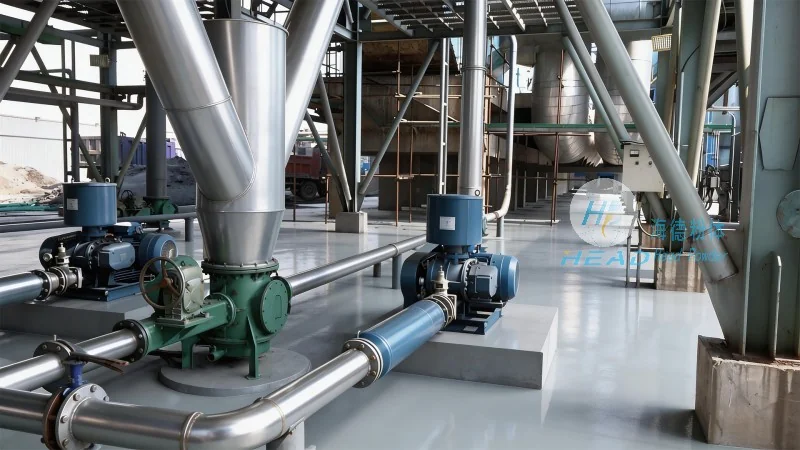
The sorghum pneumatic conveying system consists of several critical components that work in tandem to achieve effective material transport. The main components include the hopper, feeder, air compressor, pipeline system, and discharge unit. Each component plays a vital role in the overall operation of the system.
Firstly, the hopper serves as the storage and feeding container for the sorghum. It is typically designed with a sloped bottom to facilitate the smooth flow of the grain into the feeder. The hopper is often equipped with a level indicator to monitor the material volume, ensuring consistent feeding rates. The feeder, usually a rotary valve or a screw feeder, regulates the flow of sorghum from the hopper into the pipeline. This component is crucial for maintaining a steady material supply and preventing blockages.
Secondly, the air compressor generates the necessary air pressure to move the sorghum through the pipeline. The compressor is selected based on the system's capacity and the distance the material needs to be transported. It can be a positive displacement or centrifugal type, depending on the specific requirements. The air is then introduced into the pipeline, creating a flow that carries the sorghum particles along with it.
Thirdly, the pipeline system is the backbone of the conveying process. It consists of a network of pipes that connect the hopper, feeder, and discharge unit. The pipes are typically made of stainless steel or other corrosion-resistant materials to withstand the abrasive nature of the sorghum and the air pressure. The pipeline is designed with appropriate bends and fittings to maintain the air flow and prevent pressure losses. The diameter of the pipeline is determined based on the material flow rate and the required air velocity to ensure efficient transport.
Finally, the discharge unit is responsible for releasing the sorghum from the pipeline at the destination point. This unit can be a rotary valve, a gate valve, or a hopper with a discharge port. The discharge unit is positioned at the end of the pipeline and is designed to handle the material flow smoothly, preventing spillage and ensuring accurate delivery.
The operation of the sorghum pneumatic conveying system follows a sequential process that ensures the efficient transport of the grain. The system starts with the sorghum being fed from the hopper into the feeder. The feeder then regulates the flow rate, controlling the amount of material entering the pipeline. Simultaneously, the air compressor generates the required air pressure, which is introduced into the pipeline through a venturi or a straight pipe connection.

As the air flows through the pipeline, it picks up the sorghum particles from the feeder and carries them along the pipeline. The air velocity in the pipeline is maintained at a level that is sufficient to keep the particles suspended and prevent them from settling. The pipeline system is designed with appropriate dimensions and bends to minimize pressure losses and ensure the material reaches the discharge unit without any issues.
At the discharge point, the air and sorghum mixture enters the discharge unit. The unit separates the air from the material, allowing the sorghum to be discharged into a storage bin or a processing unit. The air is then either recirculated back to the compressor or released into the atmosphere, depending on the system design. This process is repeated continuously to maintain a steady flow of sorghum through the system.
Implementing a sorghum pneumatic conveying system offers several benefits over traditional conveying methods. One of the primary advantages is the reduction in labor costs, as the system automates the material handling process, eliminating the need for manual loading and unloading. Additionally, the system improves material cleanliness by preventing contamination from external sources, which is crucial for food-grade applications.
Another significant advantage is the enhanced safety in handling operations. The pneumatic system reduces the risk of dust explosions and material handling injuries, as the material is transported in a closed pipeline. This feature is particularly important when handling sorghum, which can generate fine dust particles that pose health and safety risks.
The system also offers flexibility in terms of layout and installation. The pipeline can be configured in various shapes and sizes to fit the available space and the specific requirements of the processing facility. This flexibility allows for easy integration with existing equipment and processes, minimizing the need for major modifications to the facility.
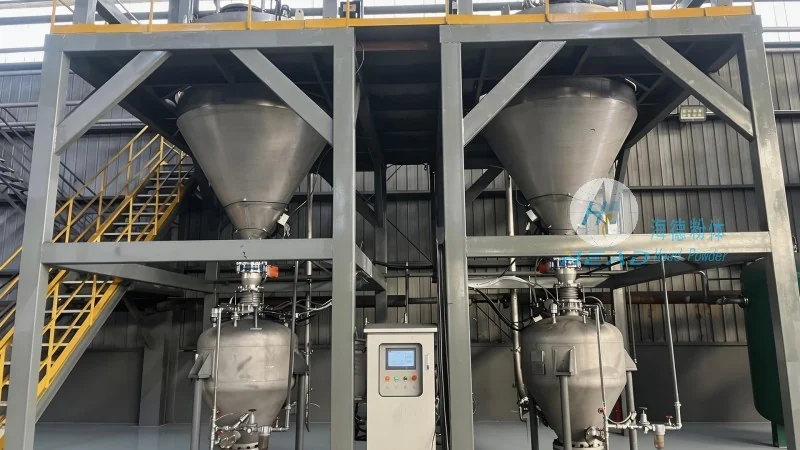
Furthermore, the sorghum pneumatic conveying system provides consistent and reliable material flow, which is essential for maintaining the quality and efficiency of the processing operations. The system can handle a wide range of sorghum types and sizes, making it suitable for various applications, from small-scale farms to large industrial processing plants.
The sorghum pneumatic conveying system is widely used in various industries that process sorghum and other bulk materials. In the food industry, it is commonly used for transporting sorghum to processing units such as mills, where it is ground into flour or other food products. The system ensures that the grain is handled hygienically and efficiently, meeting the strict quality standards required for food applications.
In the animal feed industry, the pneumatic system is used to transport sorghum from storage facilities to feed mills. This ensures that the feed is processed consistently and delivered to the animals in a timely manner. The system also helps in reducing the risk of contamination from external sources, which is critical for maintaining the health and well-being of the animals.
In the industrial sector, sorghum is used as a raw material for producing biofuels, ethanol, and other chemical products. The pneumatic conveying system is used to transport the grain to the processing units, where it is converted into these products. The system's efficiency and reliability ensure that the production process runs smoothly and meets the required output levels.
Additionally, the system is used in research and development facilities for testing and evaluating new processing technologies. The ability to transport sorghum in a controlled manner allows researchers to study the material's properties and develop new applications for sorghum-based products.
The sorghum pneumatic conveying system is a vital piece of equipment for the efficient and safe handling of sorghum and other bulk materials. With its advanced design and components, the system offers significant advantages over traditional conveying methods, including reduced labor costs, improved material cleanliness, and enhanced safety. The system's flexibility and reliability make it suitable for various applications in the food, feed, and industrial sectors. As the demand for sorghum and its products continues to grow, the use of pneumatic conveying systems will become increasingly important in ensuring the efficient and sustainable processing of this versatile grain.

 Shandong Headpowder Engineering Co., Ltd.
 156-6277-7102(Manager Zhang)
  0531-83386006
  Zhangqiu District, Jinan City, Shandong Province, China
telephone
WeChatconsult
top