With more than 10‑year industry experience, Shandong Headpowder delivers full‑service pneumatic‑conveying systems and blowers, undertaking nationwide turn‑key powder‑handling projects.
Paint pneumatic conveying equipment is a crucial industrial solution for the efficient and safe transportation of paint materials. This equipment, developed by Shandong HeadPowder Engineering Co., Ltd. (commonly known as HeadPowder), is widely used in the paint manufacturing and processing industries. The company, headquartered in Shandong, China, specializes in providing advanced pneumatic conveying systems tailored to the unique needs of the paint sector.
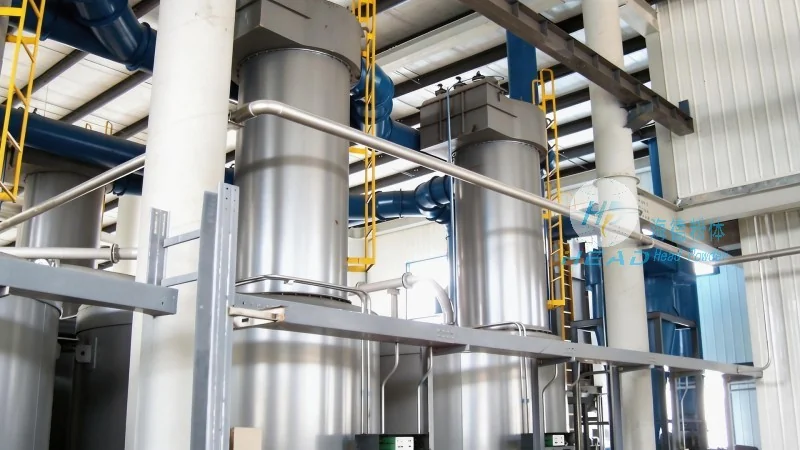
The core working principle of paint pneumatic conveying equipment revolves around the use of air as the conveying medium. The system typically consists of a hopper, a blower or compressor, a pipeline network, and a receiving tank. As paint is fed into the hopper, the blower generates a high-pressure airflow that draws the paint particles into the pipeline. The air-paint mixture travels through the pipeline under pressure, ensuring that the paint is transported without the need for mechanical components like belts or buckets. This pneumatic method minimizes product contamination and wear, making it ideal for handling sensitive paint formulations.
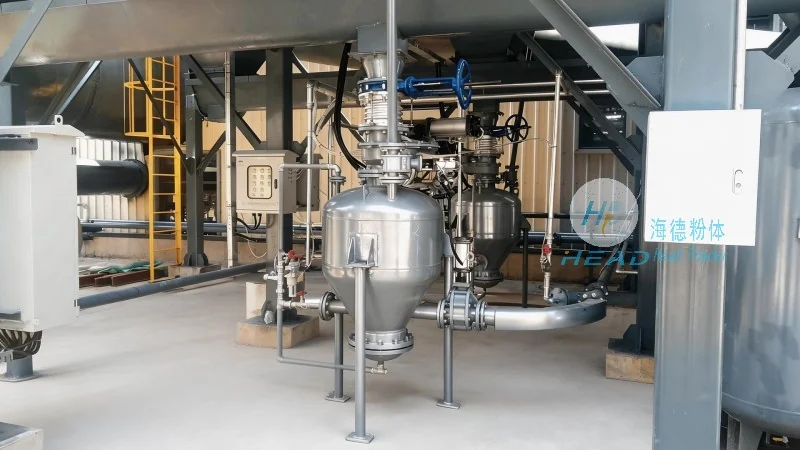
The operation process of paint pneumatic conveying equipment involves several critical steps that ensure smooth and efficient material handling. First, the paint is loaded into the storage hopper. The hopper is equipped with a feeding mechanism that controls the flow rate of the paint into the conveying system. Next, the blower is activated, creating a vacuum or pressure differential that initiates the conveying process. The paint particles are then drawn into the pipeline by the airflow, moving from the hopper to the receiving tank or processing unit. The system continuously monitors pressure and flow rates to maintain optimal operation. When the hopper is empty or the receiving tank is full, the system automatically shuts down or adjusts its operation to prevent overloading or under-conveying. This automated control ensures consistent performance and reduces the need for manual intervention.
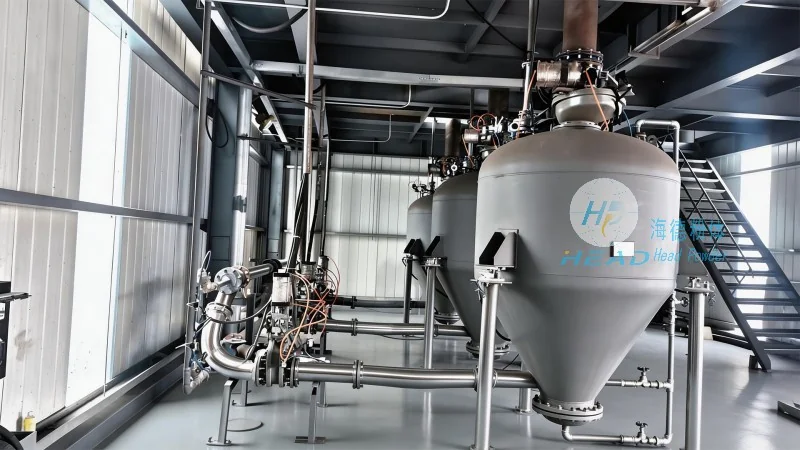
Paint pneumatic conveying equipment offers several technical advantages that make it a preferred choice for paint manufacturers. One of the key benefits is its ability to handle a wide range of paint viscosities and particle sizes, from low-viscosity liquids to high-viscosity pastes. The pneumatic system also provides excellent mixing and homogenization of the paint, ensuring uniform consistency throughout the conveying process. Additionally, the equipment is designed to minimize product degradation, as it avoids direct contact with metal components that could cause contamination or wear. In terms of application scenarios, this equipment is commonly used in paint production lines for transporting raw materials, intermediate products, and finished paint to different processing stages. It is also utilized in industrial painting applications where precise and controlled material delivery is essential.
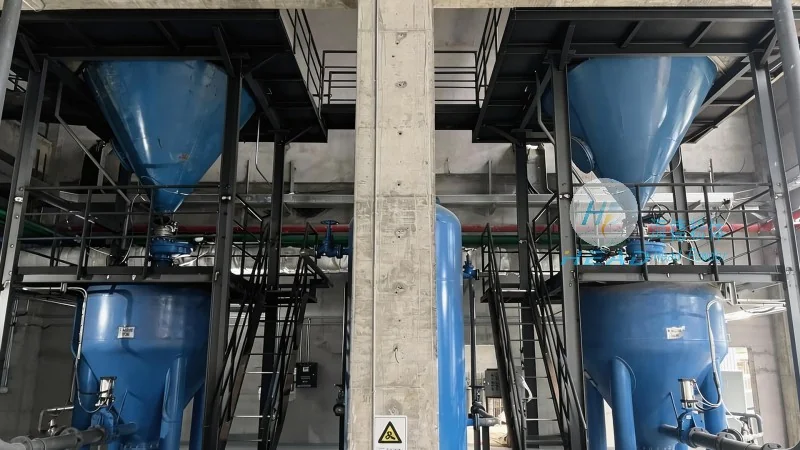
Proper maintenance and adherence to safety protocols are essential for the reliable operation of paint pneumatic conveying equipment. Regular inspection of the blower, pipeline, and hopper is necessary to ensure that there are no blockages or leaks that could affect performance. The system should be cleaned regularly to prevent the buildup of paint residue, which can lead to clogging or reduced efficiency. Safety features such as pressure relief valves and emergency shut-off switches are critical to prevent accidents during operation. The equipment is also designed to comply with industrial safety standards, ensuring that it operates within safe parameters. By following the manufacturer's maintenance guidelines and safety procedures, users can maximize the lifespan of the equipment and maintain its performance.

 Shandong Headpowder Engineering Co., Ltd.
 156-6277-7102(Manager Zhang)
  0531-83386006
  Zhangqiu District, Jinan City, Shandong Province, China
telephone
WeChatconsult
top