With more than 10‑year industry experience, Shandong Headpowder delivers full‑service pneumatic‑conveying systems and blowers, undertaking nationwide turn‑key powder‑handling projects.
PP pellet pneumatic conveying systems represent a sophisticated solution for the efficient handling and transportation of polypropylene (PP) pellets in industrial settings. These systems are engineered to provide reliable, low-maintenance operation while ensuring the integrity of the material being conveyed. As a key component in material handling processes, such systems are widely used across various industries, including plastics manufacturing, chemical processing, and food processing, where the seamless transfer of bulk materials is critical to operational efficiency.
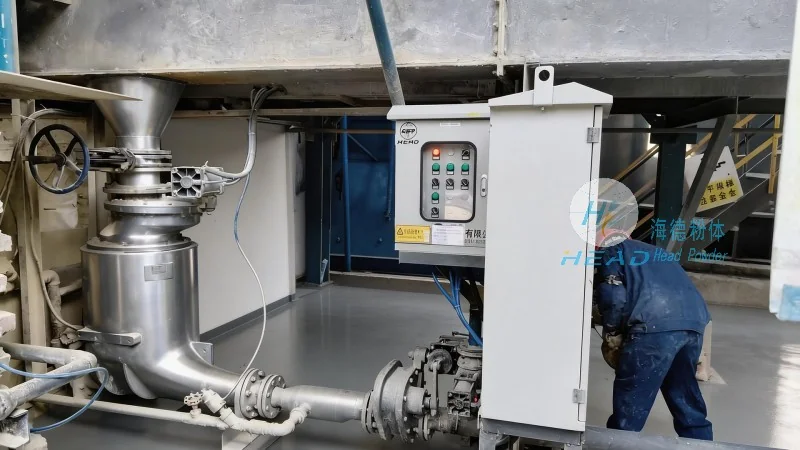
PP pellet pneumatic conveying systems are designed to transport polypropylene pellets from a source, such as a hopper or storage bin, to a destination, like a processing machine or storage area, using air as the conveying medium. The primary advantage of this technology lies in its ability to handle bulk materials without the need for mechanical components like belts or screws, which can be prone to wear and maintenance issues. This makes pneumatic conveying an ideal choice for applications where material contamination must be minimized and operational flexibility is required.
The PP pellet pneumatic conveying system consists of several core components that work in tandem to achieve efficient material transport. These components include the hopper or feed hopper, which holds the PP pellets and regulates the flow into the system; the air compressor or blower, which generates the necessary air pressure to move the material; the conveying line, which is typically made of metal or plastic tubing to withstand the pressure and material abrasion; the control valve, which regulates the air flow and material discharge; and the receiver or discharge hopper, where the pellets are collected at the destination.
Each component is strategically designed to ensure optimal performance. The hopper is equipped with a feeder, such as a rotary valve or a vibratory feeder, to control the rate of material discharge. The air compressor is selected based on the required air volume and pressure, which are determined by factors like the material's bulk density, the conveying distance, and the system's capacity. The conveying line is often equipped with bends and elbows that are carefully angled to minimize pressure loss and prevent material buildup. The control valve, usually a pneumatic or electrically operated device, allows for precise control over the air flow and material discharge, ensuring smooth operation and preventing overloading of the system.
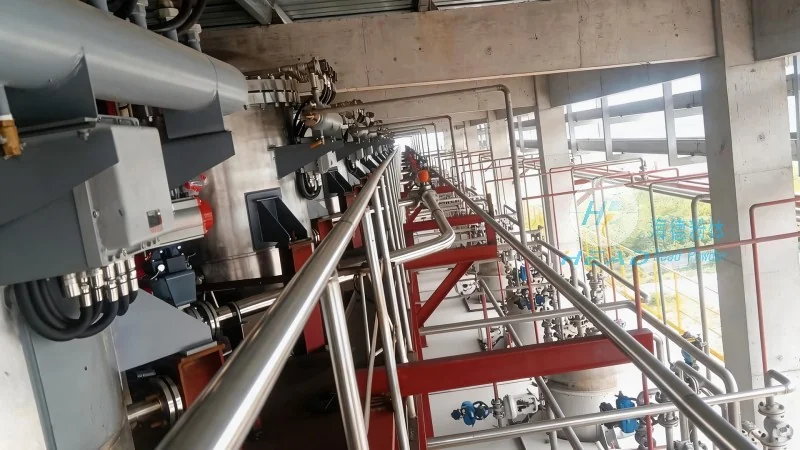
The operation of a PP pellet pneumatic conveying system is based on the principle of air movement and material suspension. When the air compressor starts, it generates a flow of air through the conveying line. As the air passes through the hopper, it creates a negative pressure (or positive pressure, depending on the system design) that draws the PP pellets into the air stream. The pellets are then suspended in the air and carried along the conveying line to the receiver. The velocity of the air is critical; it must be sufficient to keep the pellets in suspension but not so high as to cause excessive wear on the system components or to generate excessive noise.
The system can operate in either positive pressure or negative pressure modes. In positive pressure systems, the air compressor pushes air into the conveying line, creating a pressure higher than the ambient air pressure. This forces the material to move forward. In negative pressure systems, the air is drawn out of the system, creating a vacuum that pulls the material into the line. Both modes have their advantages and are chosen based on the specific application requirements, such as the distance to be covered, the material's properties, and the need to prevent dust emissions.
PP pellet pneumatic conveying systems offer several advantages over traditional mechanical conveying methods. One of the most significant benefits is the reduction in material contamination, as there are no moving parts that can come into contact with the material. This is particularly important for food-grade or pharmaceutical-grade PP pellets, where purity is paramount. Additionally, pneumatic conveying systems are more flexible and can be easily reconfigured to accommodate changes in production processes or material flow requirements.
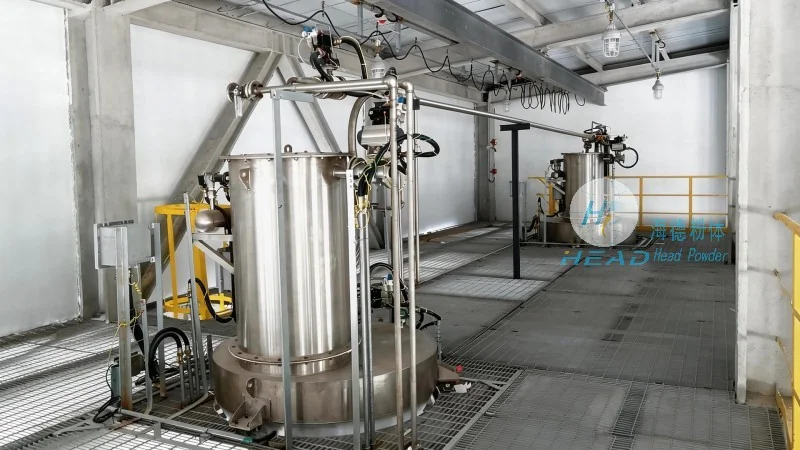
Another advantage is the ability to handle a wide range of material sizes and shapes. PP pellets, being relatively uniform in size, are well-suited for pneumatic conveying, but the system can also handle other bulk materials like powders or granules. The systems are also relatively compact, allowing for installation in spaces where mechanical conveyors may not fit. Furthermore, the low maintenance requirements of pneumatic systems contribute to lower operational costs over time.
PP pellet pneumatic conveying systems are widely used in various industries where the handling of bulk materials is essential. In the plastics industry, these systems are used to transport PP pellets from storage to extrusion or molding machines, ensuring a continuous and efficient production line. In chemical processing, they are used to move chemicals or additives to reactors or processing units. In the food industry, they are employed to handle food-grade PP pellets or other food products, maintaining hygiene and preventing contamination. The versatility of these systems makes them suitable for a wide range of applications, from small-scale operations to large industrial facilities.
PP pellet pneumatic conveying systems are a reliable and efficient solution for the transportation of polypropylene pellets in industrial applications. By understanding the structure and working principles of these systems, manufacturers can make informed decisions about their material handling needs. The systems offered by Shandong HeadPowder Engineering Co., Ltd., a leading provider in this field, are designed to meet the highest standards of performance and reliability, ensuring that customers receive a product that is tailored to their specific requirements. With its headquarters in Shandong, China, HeadPowder has established itself as a trusted partner in providing innovative and effective material handling solutions for the global market.

 Shandong Headpowder Engineering Co., Ltd.
 156-6277-7102(Manager Zhang)
  0531-83386006
  Zhangqiu District, Jinan City, Shandong Province, China
telephone
WeChatconsult
top