With more than 10‑year industry experience, Shandong Headpowder delivers full‑service pneumatic‑conveying systems and blowers, undertaking nationwide turn‑key powder‑handling projects.
HeadPowder, a leading manufacturer based in Shandong, China, specializes in the design and implementation of fiber pneumatic conveying systems. These systems are engineered to efficiently transport fibrous materials through an air-driven process, offering a reliable solution for industries dealing with delicate or abrasive materials. The following overview details the fundamental components, operational principles, and structural design of such systems, highlighting the technical advancements that enhance performance and durability.
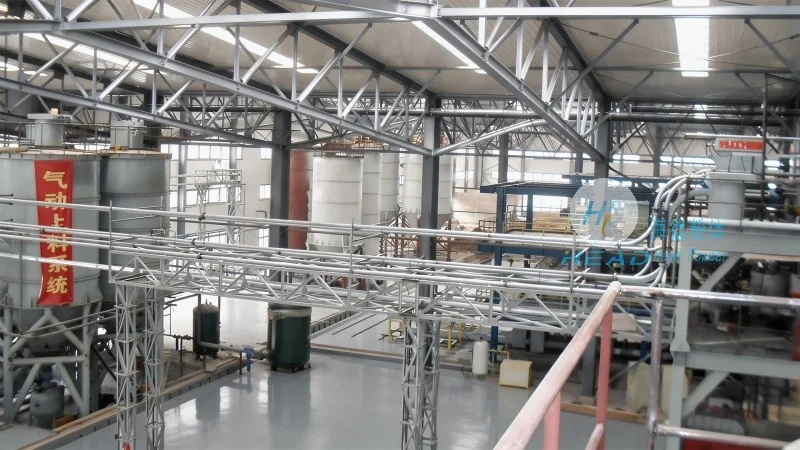
The fiber pneumatic conveying system comprises several key components that work in tandem to facilitate material transport. The primary elements include the material hopper, which stores the fibrous material and feeds it into the system; the air compressor or blower, responsible for generating the necessary airflow to move the material; the conveying line, typically made of flexible or rigid tubing, that carries the material and air mixture; and the receiver or discharge hopper, where the material is deposited after transport. Additionally, auxiliary components such as filters, cyclones, and control valves may be integrated to manage dust, regulate airflow, and ensure system safety.
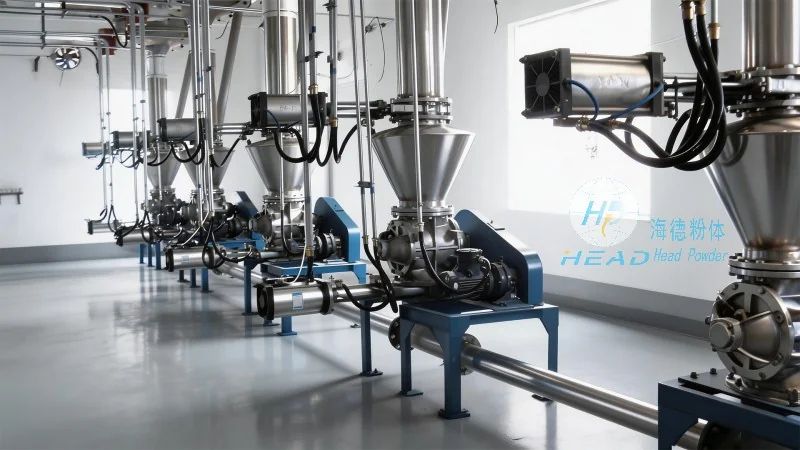
The structural design of a fiber pneumatic conveying system is tailored to handle the unique challenges posed by fibrous materials. The system operates on the principle of pneumatic transport, where compressed air is used to create a low-pressure zone that draws the material into the conveying line. As the air flows through the system, it entrains the fibrous particles, forming a dense mixture known as a "slurry" or "conveyed stream." The velocity and pressure of the air are critical parameters that determine the system's capacity and efficiency. Properly designed components, such as the hopper's discharge mechanism and the conveying line's diameter, ensure that the fibrous material is transported without clogging or degradation. The use of specialized materials for the conveying line, such as stainless steel or high-density polyethylene, further enhances the system's resistance to abrasion and corrosion, extending its operational lifespan.
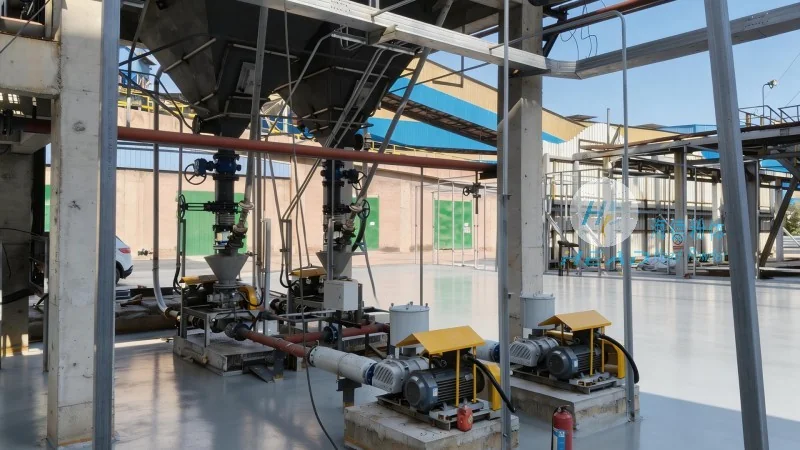
Fiber pneumatic conveying systems offer several advantages over traditional mechanical conveying methods. These include reduced material degradation due to minimal contact with equipment, lower maintenance costs as there are fewer moving parts, and the ability to transport materials over long distances without the need for intermediate storage. The systems are widely used in industries such as paper manufacturing, textile processing, and food processing, where the handling of fibrous materials requires precision and efficiency. For example, in the paper industry, these systems are employed to transport pulp from storage silos to processing machines, ensuring a consistent flow of material for paper production. In textile manufacturing, they facilitate the transport of raw fibers to spinning and weaving equipment, maintaining the quality and integrity of the material throughout the process.
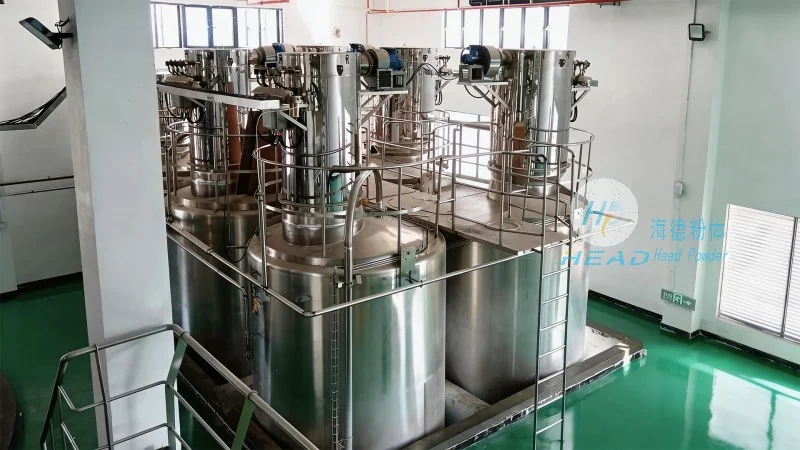
HeadPowder understands that each industrial application has unique requirements, and therefore, offers customized fiber pneumatic conveying solutions tailored to specific needs. The company's engineering team works closely with clients to assess their material characteristics, transport distances, and operational constraints, designing systems that optimize performance and cost-effectiveness. From initial design and prototyping to installation and maintenance, HeadPowder provides comprehensive technical support to ensure the system operates at peak efficiency. The company's commitment to quality and innovation is reflected in its adherence to industry standards and continuous improvement of its products, making it a trusted partner for businesses seeking reliable fiber conveying solutions.

 Shandong Headpowder Engineering Co., Ltd.
 156-6277-7102(Manager Zhang)
  0531-83386006
  Zhangqiu District, Jinan City, Shandong Province, China
telephone
WeChatconsult
top