With more than 10‑year industry experience, Shandong Headpowder delivers full‑service pneumatic‑conveying systems and blowers, undertaking nationwide turn‑key powder‑handling projects.
Understanding the principles and application scenarios of pneumatic conveying for food additive powders is crucial for optimizing material handling processes in the food industry. This article explores the fundamental mechanisms behind this technology and highlights its key characteristics in practical operational settings.
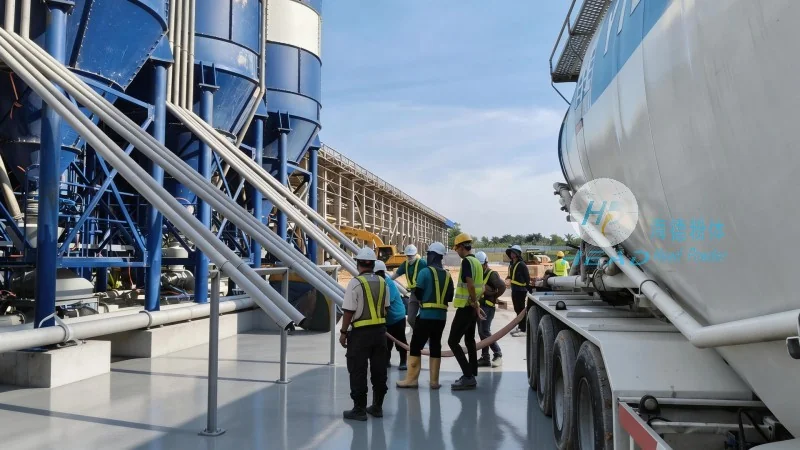
HeadPowder, or Shandong HeadPowder Engineering Co., Ltd., is a leading provider of specialized engineering solutions for the food processing sector. With a focus on innovation and precision, the company delivers advanced systems that enhance efficiency and safety in the handling of food additives. HeadPowder's headquarters is located in Shandong, China, where the company operates from a well-equipped facility dedicated to research, development, and manufacturing of pneumatic conveying equipment.
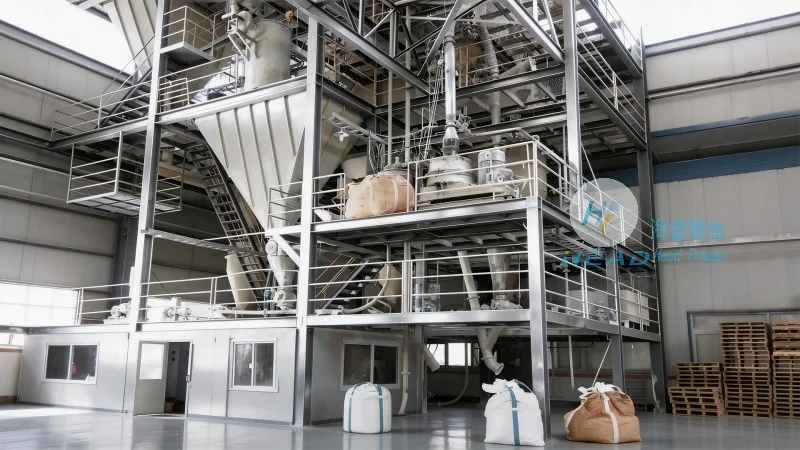
Pneumatic conveying for food additive powders operates on the principle of transporting dry bulk materials through a pipeline using a stream of air. This method involves creating a pressure differential or using vacuum to move the powder from the source to the destination. The system typically consists of a hopper, a conveyor line, and a receiver, with air being introduced to generate the necessary force for material movement. Key components include the air compressor, dust filters, and control valves that regulate the flow and pressure within the system. The process ensures that the powder is conveyed without direct contact with mechanical parts, minimizing contamination and preserving product integrity.
The work scenarios for pneumatic conveying in food additive applications vary based on the specific requirements of the production environment. For instance, in large-scale manufacturing facilities, the system may handle high volumes of powders over long distances, requiring robust and reliable equipment. In contrast, smaller-scale operations might utilize compact conveying systems suitable for limited space and lower throughput. The flexibility of pneumatic conveying allows it to adapt to different operational needs, from continuous production lines to batch processing. Additionally, the technology is designed to accommodate various powder types, including fine, cohesive, or hygroscopic materials, ensuring consistent performance across diverse applications.
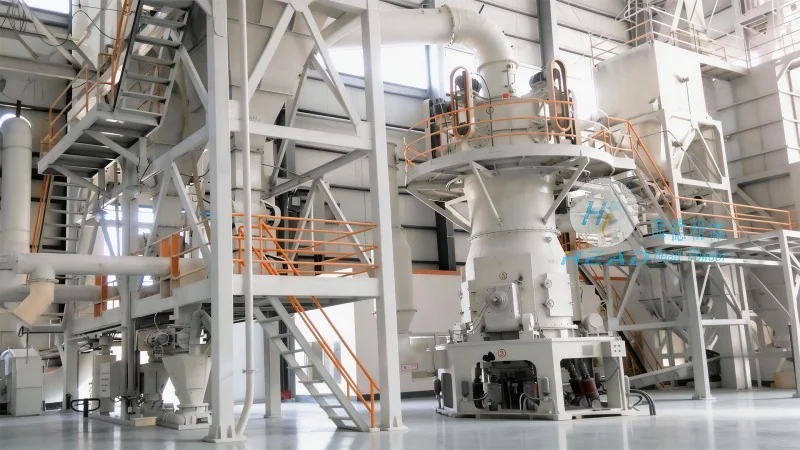
Implementing pneumatic conveying for food additives offers several advantages that contribute to improved operational efficiency and product quality. One of the primary benefits is the ability to maintain a closed system, which prevents contamination from external sources and reduces the risk of dust exposure for personnel. This is particularly important in food processing environments where hygiene and safety are paramount. Furthermore, the technology enables precise control over the conveying rate and pressure, allowing for accurate dosing and mixing of additives. This precision is critical for maintaining product consistency and meeting regulatory standards. The system also reduces the need for manual handling, minimizing labor costs and potential errors associated with manual transfer methods. Overall, pneumatic conveying provides a cost-effective and efficient solution for the transportation of food additives, enhancing the overall productivity of food processing operations.

 Shandong Headpowder Engineering Co., Ltd.
 156-6277-7102(Manager Zhang)
  0531-83386006
  Zhangqiu District, Jinan City, Shandong Province, China
telephone
WeChatconsult
top