With more than 10‑year industry experience, Shandong Headpowder delivers full‑service pneumatic‑conveying systems and blowers, undertaking nationwide turn‑key powder‑handling projects.
When discussing the pneumatic conveying of wheat flour, it's essential to understand the key components that make up this efficient material handling system. The process involves several critical elements working in tandem to ensure safe, reliable, and effective transport of flour from one location to another. As a leading provider in the industry, Shandong HeadPowder Engineering Co., Ltd. specializes in designing and manufacturing comprehensive pneumatic conveying systems tailored to the unique needs of wheat flour processing. The following sections outline the primary components that constitute a typical wheat flour pneumatic conveying system, highlighting the expertise and quality that define our solutions.
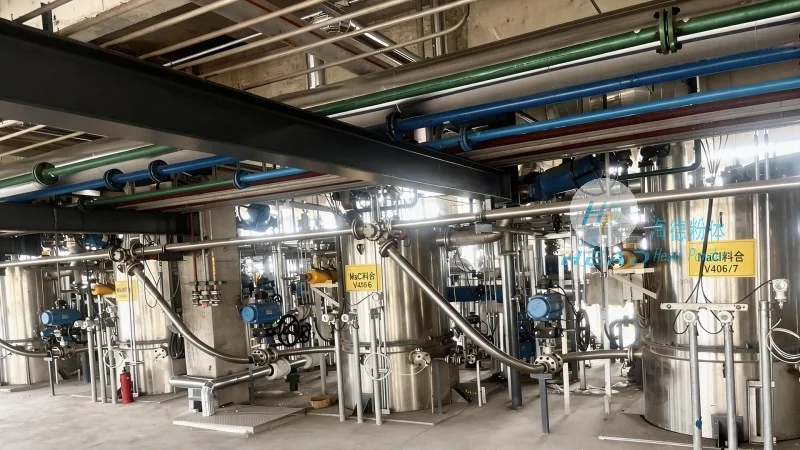
The foundation of any pneumatic conveying system for wheat flour lies in its core components. These elements are designed to handle the unique properties of flour, such as its fine particle size, low bulk density, and potential for dust generation. The main components include the conveying line, air source, feed equipment, and control mechanisms. Each component plays a vital role in the overall operation and efficiency of the system, ensuring consistent performance and minimal downtime.
The conveying line, typically constructed from stainless steel or other corrosion-resistant materials, serves as the pathway for transporting wheat flour. The choice of tubing material is critical, as it must withstand the abrasive nature of flour particles and resist contamination. The line is equipped with various fittings, including elbows, tees, and bends, which direct the flow of flour and air. These fittings are often designed with smooth, internal surfaces to minimize friction and prevent particle buildup, ensuring consistent and reliable conveying performance. The tubing diameter and length are carefully selected based on the material flow rate and system pressure requirements.
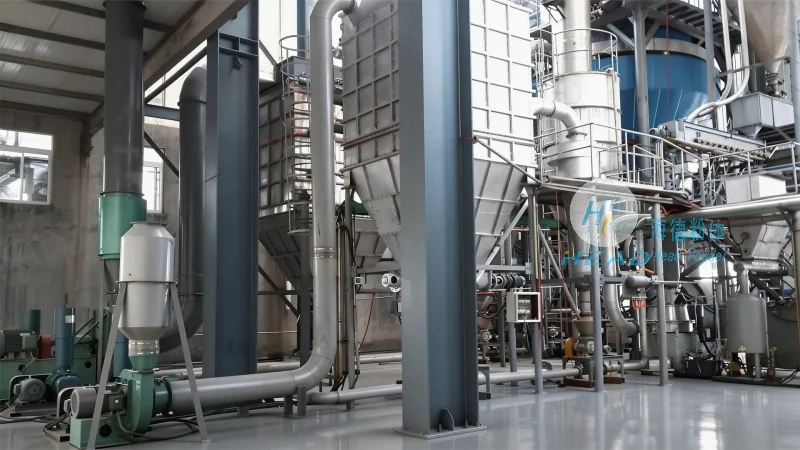
Air is the driving force behind pneumatic conveying. The system relies on a powerful blower or compressor to generate the necessary airflow. For wheat flour applications, positive displacement blowers are commonly used due to their ability to maintain consistent pressure and airflow, even with varying material loads. The air source is connected to the conveying line via a filter and regulator, which ensure that the air is clean and at the appropriate pressure. This component is critical for maintaining system efficiency and preventing damage to downstream equipment. The blower is typically sized to provide sufficient pressure to overcome the resistance of the conveying line and the weight of the flour particles.
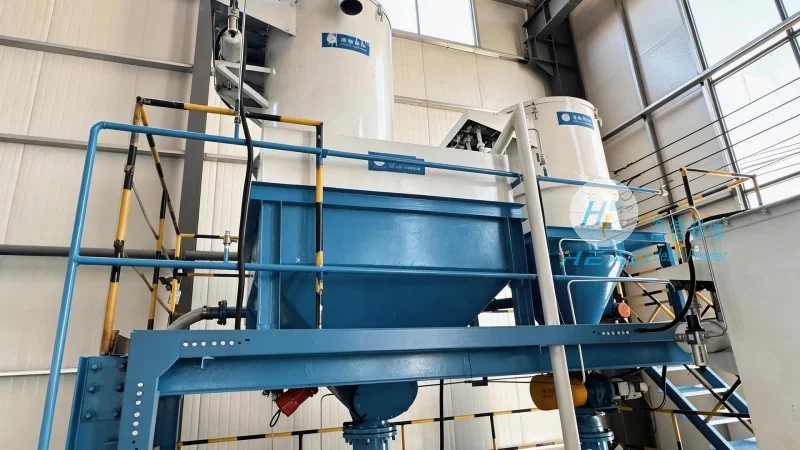
The feed equipment is responsible for introducing wheat flour into the conveying line. A large, hopper-style container is used to store the flour, with a valve mechanism that controls the flow rate. The hopper is often equipped with a feeder, such as a rotary valve or screw feeder, which gradually releases the flour into the line. This controlled feeding process prevents clogging and ensures a steady flow of material. The design of the hopper and valve is tailored to handle the fine nature of flour, minimizing the risk of blockages and maintaining system performance. The hopper may also include a level sensor to monitor the material inventory and trigger feeding when necessary.
Modern pneumatic conveying systems for wheat flour are equipped with advanced control and monitoring systems. These components allow operators to adjust the system parameters in real-time, such as airflow rate and feed speed. Sensors are used to monitor pressure, temperature, and flow rates, providing valuable data for system optimization. The control system may also include safety features, such as pressure relief valves, to prevent over-pressurization and protect equipment. This level of control enhances the reliability and efficiency of the system, reducing downtime and maintenance costs. The monitoring data can be used to identify potential issues before they become major problems, ensuring consistent product quality.
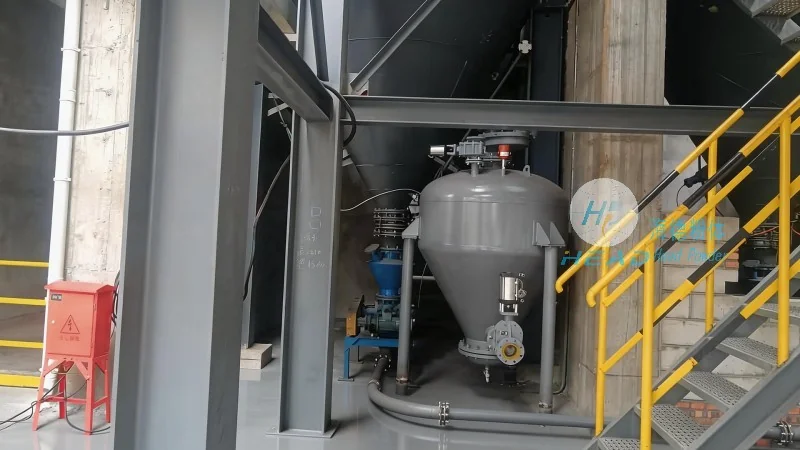
Due to the fine nature of wheat flour, dust control is a critical aspect of pneumatic conveying. The system includes filters and dust collectors to capture any airborne particles and prevent contamination. These components are typically located at the end of the conveying line and are designed to capture flour particles before they are released into the environment. The filters are regularly cleaned or replaced to maintain their effectiveness, ensuring that the system operates within regulatory standards and maintains a safe working environment. The dust collector may use a baghouse or cartridge system to trap particles, with a cleaning mechanism to remove accumulated dust.
In summary, the pneumatic conveying of wheat flour is a complex process that relies on a combination of specialized components working together. From the conveying line and air source to the feed equipment and control systems, each element plays a crucial role in ensuring the efficient and safe transport of flour. The integration of these components, along with regular maintenance and monitoring, is essential for optimal performance. For businesses in the flour industry, understanding these components and their functions is key to selecting and maintaining an effective pneumatic conveying system. Shandong HeadPowder Engineering Co., Ltd. offers comprehensive solutions that incorporate all these components, ensuring that our clients receive reliable, high-performance systems tailored to their specific requirements.

 Shandong Headpowder Engineering Co., Ltd.
 156-6277-7102(Manager Zhang)
  0531-83386006
  Zhangqiu District, Jinan City, Shandong Province, China
telephone
WeChatconsult
top