With more than 10‑year industry experience, Shandong Headpowder delivers full‑service pneumatic‑conveying systems and blowers, undertaking nationwide turn‑key powder‑handling projects.
For businesses in the food processing industry, the efficient and reliable transport of seasonings is a critical aspect of production. Pneumatic conveying systems have emerged as a preferred solution for handling various types of seasonings, offering advantages such as reduced contamination, improved hygiene, and enhanced process control. Understanding the components that make up a typical pneumatic conveying system for seasonings is essential for optimizing operations and ensuring product quality.
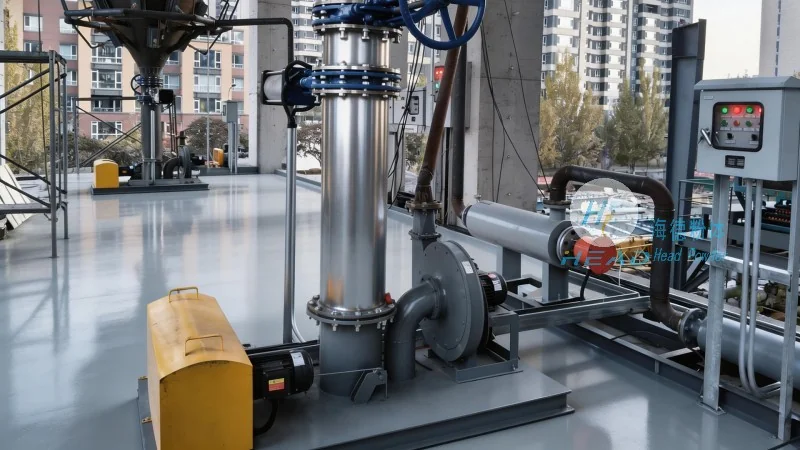
The pneumatic conveying of seasonings typically involves several key components that work together to facilitate the movement of powders or granules from one location to another. These components are designed to ensure the safe and efficient transfer of seasonings while maintaining product integrity. The primary components include:
The effectiveness of a pneumatic conveying system for seasonings is significantly influenced by the physical and chemical properties of the material being handled. Seasonings can vary widely in terms of particle size, density, moisture content, and flowability, which directly impact the design and operation of the conveying system. For example, fine powders like spices or salt may require higher air velocities to prevent caking or blockages, while larger granules like sugar or pepper flakes may need lower velocities to avoid excessive wear on the equipment.
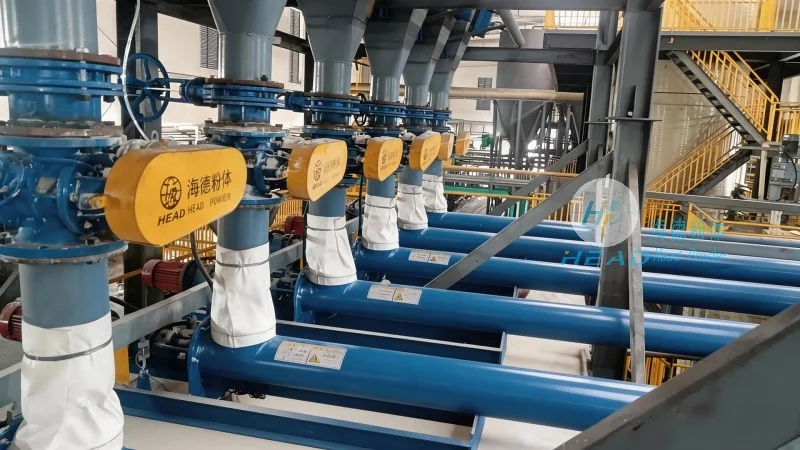
Additionally, the hygroscopic nature of some seasonings, such as salt or sugar, can affect the system's performance. Moisture absorption can lead to clumping, which may cause operational issues if not properly managed. Therefore, the selection of appropriate materials for the hopper, pipe, and other components is critical to prevent corrosion or material degradation over time.
Pneumatic conveying systems offer several advantages over traditional methods like belt conveyors or bucket elevators when handling seasonings. These benefits include:
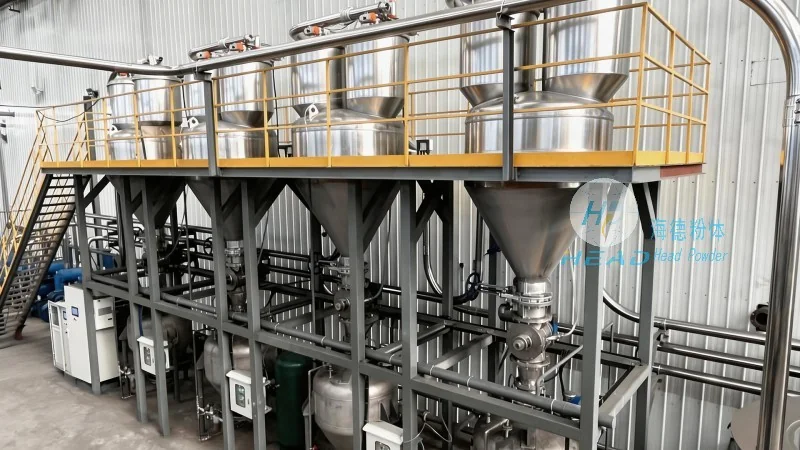
Shandong HeadPowder Engineering Co., Ltd., commonly known as HeadPowder, is a leading manufacturer and supplier of pneumatic conveying systems tailored for the food processing industry. With a focus on innovation and quality, HeadPowder specializes in designing and installing customized solutions that meet the specific needs of their clients. The company's expertise lies in understanding the unique challenges of handling seasonings and developing systems that ensure optimal performance and product integrity.
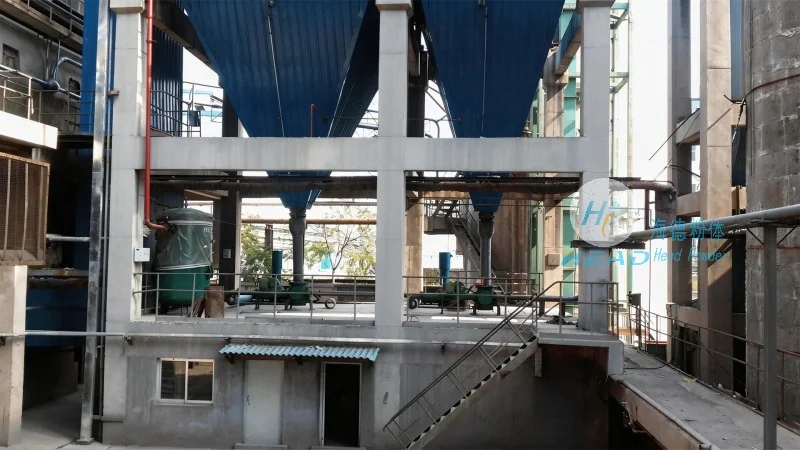
HeadPowder's team of engineers and technicians work closely with clients to assess their production requirements, material characteristics, and operational constraints. This collaborative approach ensures that the final pneumatic conveying system is tailored to deliver the best possible results, whether it's for small-scale seasoning processing or large industrial applications. The company's commitment to using high-quality materials and advanced technology has earned it a reputation for reliability and durability in the industry.
HeadPowder's facilities are located in Shandong, China, where the company maintains state-of-the-art manufacturing and testing capabilities. This allows them to produce systems that meet international standards and comply with food safety regulations. The company also provides comprehensive after-sales support, including maintenance services and technical assistance, to ensure that their clients can maximize the lifespan and efficiency of their pneumatic conveying equipment.

 Shandong Headpowder Engineering Co., Ltd.
 156-6277-7102(Manager Zhang)
  0531-83386006
  Zhangqiu District, Jinan City, Shandong Province, China
telephone
WeChatconsult
top