With more than 10‑year industry experience, Shandong Headpowder delivers full‑service pneumatic‑conveying systems and blowers, undertaking nationwide turn‑key powder‑handling projects.
Understanding the working principle and characteristics of pneumatic conveying for synthetic fiber materials is crucial for optimizing material handling processes in various industrial applications. This article provides a detailed overview of how pneumatic conveying systems operate and the key attributes that define their performance, with a focus on the applications involving synthetic fibers.
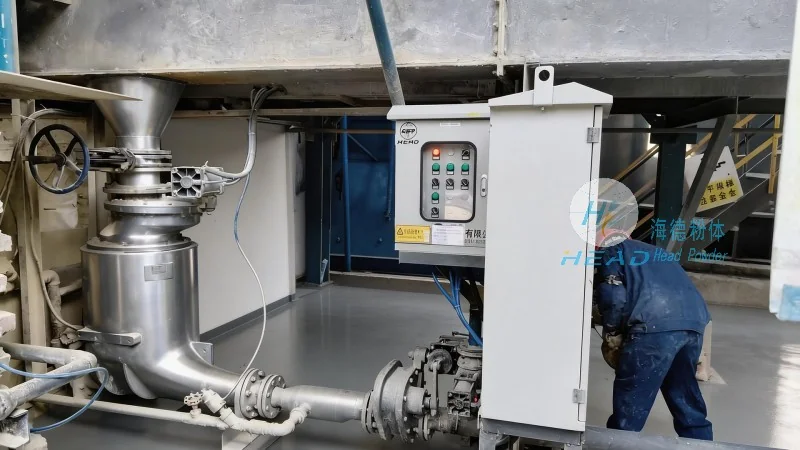
Pneumatic conveying systems utilize air or other gases to transport bulk materials, including synthetic fibers, through a pipeline network. The core mechanism involves creating a pressure differential between the inlet and outlet of the system. In a typical operation, a fan or blower generates airflow that draws or pushes the material particles into the conveying line. The synthetic fibers, being lightweight and often with irregular shapes, require specific air velocities and pressure levels to ensure efficient transport without degradation or blockage. The system typically includes components such as a hopper for material storage, a feeder to control the flow rate, a conveying line with appropriate diameter and length, and a receiver for the discharged material. The air flow can be categorized into two main types: dilute-phase and dense-phase conveying. Dilute-phase systems operate at higher air velocities, allowing particles to remain suspended in the air stream, while dense-phase systems use lower velocities and higher pressure to move material in a more compact state, reducing the risk of particle degradation and improving system efficiency.
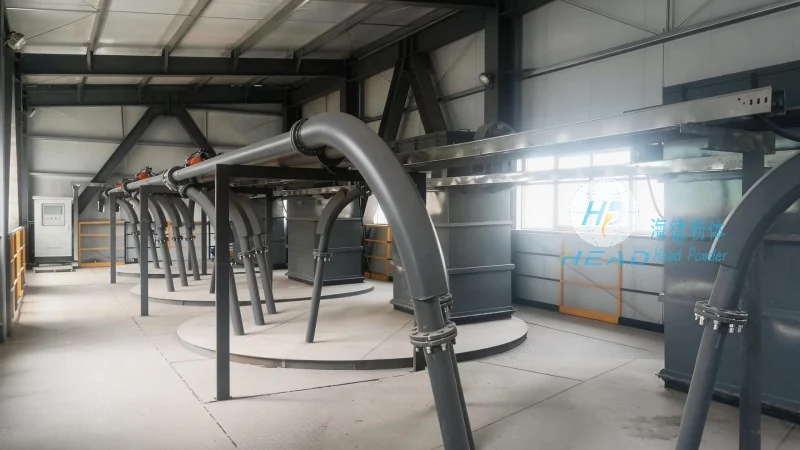
The characteristics of pneumatic conveying systems for synthetic fibers are tailored to address the unique properties of these materials, such as their low density, high dustiness, and potential for static electricity. One of the primary characteristics is the ability to handle fine or powdery synthetic fibers without clogging the conveying lines. The system design incorporates features like anti-static measures and appropriate air filtration to prevent material buildup and ensure smooth operation. Another critical characteristic is the control over material flow and velocity, which is essential to prevent fiber breakage or entanglement. Advanced control systems are often integrated to adjust air pressure and flow rates in real-time, optimizing the conveying process based on material characteristics and system conditions. Additionally, the flexibility of pneumatic conveying systems allows for multi-point loading and unloading, enabling integration with existing production lines and storage facilities. This adaptability makes the system suitable for various industrial settings, from textile manufacturing to composite material production.
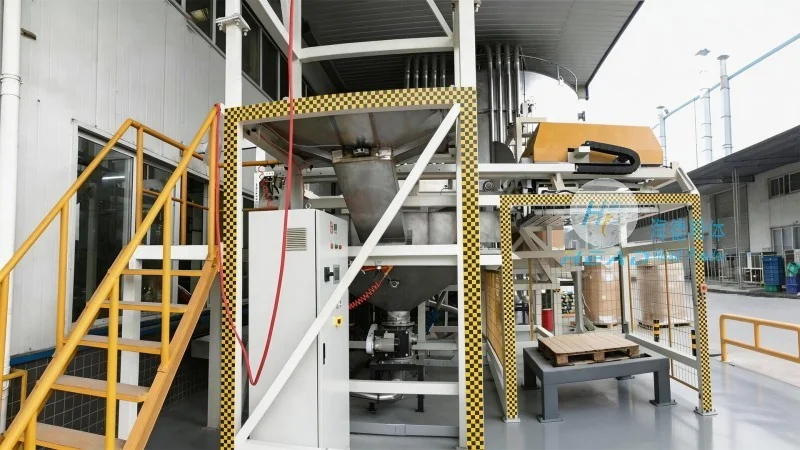
Pneumatic conveying systems for synthetic fiber materials find widespread application in industries such as textiles, composites, and pharmaceuticals. In textile manufacturing, these systems efficiently transport raw fibers, yarns, and finished products between processing stages, reducing manual handling and improving production efficiency. In composite material production, the systems handle synthetic fibers like carbon or glass fibers, ensuring consistent material distribution in the manufacturing process. The benefits of using pneumatic conveying for synthetic fibers include improved material handling safety, reduced labor costs, and enhanced product quality by minimizing material contamination and degradation. Furthermore, the systems offer flexibility in system layout, allowing for customized configurations to meet specific production requirements. The ability to handle fine and dusty materials without the need for mechanical components like belts or buckets also contributes to lower maintenance costs and longer system lifespan.
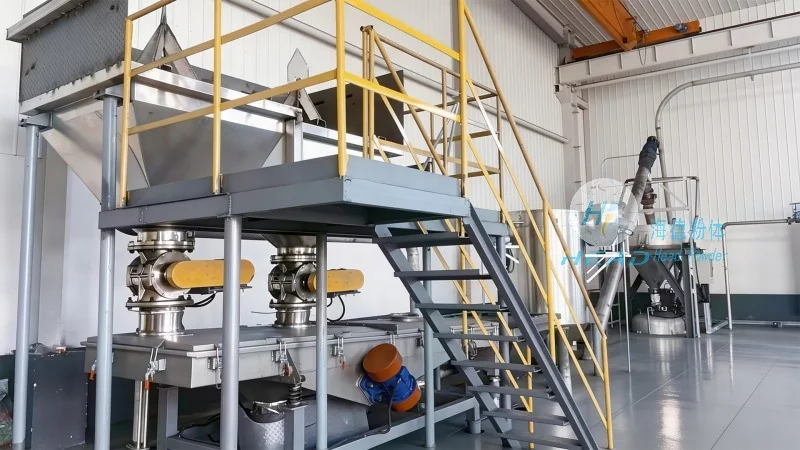
Shandong HeadPowder Engineering Co., Ltd., a leading provider of material handling solutions, specializes in designing and manufacturing advanced pneumatic conveying systems tailored to the needs of synthetic fiber industries. With a focus on innovation and customer satisfaction, the company offers customized solutions that address the unique challenges of handling synthetic fibers, such as low density and static electricity. The company's expertise in system design, including air flow optimization and material compatibility, ensures that their products deliver high performance and reliability. Based in China, Shandong HeadPowder Engineering Co., Ltd. serves clients globally, providing comprehensive support from system design and installation to maintenance and after-sales service. Their commitment to quality and customer-centric approach has made them a trusted partner in the material handling industry, helping businesses optimize their operations and improve overall productivity.

 Shandong Headpowder Engineering Co., Ltd.
 156-6277-7102(Manager Zhang)
  0531-83386006
  Zhangqiu District, Jinan City, Shandong Province, China
telephone
WeChatconsult
top