With more than 10‑year industry experience, Shandong Headpowder delivers full‑service pneumatic‑conveying systems and blowers, undertaking nationwide turn‑key powder‑handling projects.
Shandong HeadPowder Engineering Co., Ltd., commonly known as HeadPowder, is a professional manufacturer and supplier specializing in pneumatic conveying systems for various industrial materials. With a strong focus on innovation and quality, the company has established itself as a trusted partner in the field of material handling solutions. HeadPowder's expertise lies in designing and implementing efficient systems tailored to the unique requirements of different industries, ensuring reliable and cost-effective material transport. The company's commitment to excellence is reflected in its state-of-the-art technology and comprehensive service offerings, catering to clients worldwide.
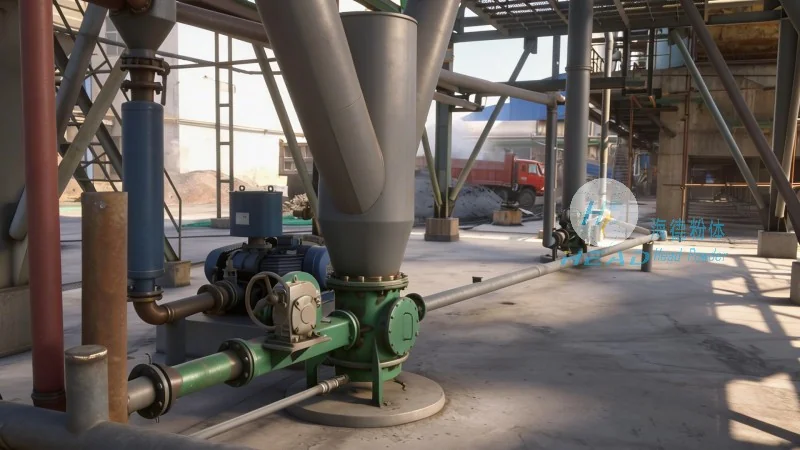
Pneumatic conveying, also known as air conveying, is a widely used method for transporting bulk materials like phosphoric acid calcium hydrogen. This technology involves the use of air or gas to move materials through a pipeline system. The process is particularly advantageous for materials that are dusty, abrasive, or require a controlled environment for transport. Phosphoric acid calcium hydrogen, a common industrial material, benefits significantly from pneumatic conveying due to its properties and the need for efficient handling in production lines. Understanding the working principle and characteristics of this system is crucial for optimizing material handling processes and ensuring operational efficiency.
The pneumatic conveying system for phosphoric acid calcium hydrogen operates on the principle of creating a pressure differential between the conveying line and the ambient environment. The process typically involves several key components: a feeding device, a conveying line, a pressure or vacuum source, and a discharge device. The material is first fed into the system, often using a hopper or a rotary valve, which ensures a consistent flow of the material. The air or gas is then introduced into the conveying line, creating a flow that carries the material particles through the pipeline. Depending on the system design, the conveying can be either positive pressure (where air is blown into the line) or negative pressure (where air is drawn out). For phosphoric acid calcium hydrogen, positive pressure systems are commonly used due to the material's characteristics and the need to maintain a clean environment. The system ensures that the material is transported efficiently from the source to the destination, minimizing the risk of contamination and ensuring a smooth operation.

Phosphoric acid calcium hydrogen material pneumatic conveying systems exhibit several notable characteristics that make them suitable for industrial applications. Firstly, the system offers high efficiency in material transport, with the ability to handle large volumes of material at a consistent rate. This is particularly important in production lines where continuous material flow is essential for maintaining productivity. Secondly, the system provides excellent control over the material's movement, allowing for precise regulation of flow rates and pressure. This control is crucial for preventing material buildup or blockages in the pipeline, which can lead to system downtime. Thirdly, the pneumatic conveying system is highly flexible, capable of transporting materials over long distances and through complex layouts. This flexibility is beneficial for plants with multiple processing units or varying production requirements. Additionally, the system is relatively compact and can be integrated into existing facilities with minimal modifications. The use of air as the conveying medium also reduces the risk of material degradation or contamination, which is critical for materials like phosphoric acid calcium hydrogen that may be sensitive to environmental factors. Finally, the system is energy-efficient compared to traditional methods like belt conveyors or bucket elevators, leading to lower operational costs and reduced environmental impact.
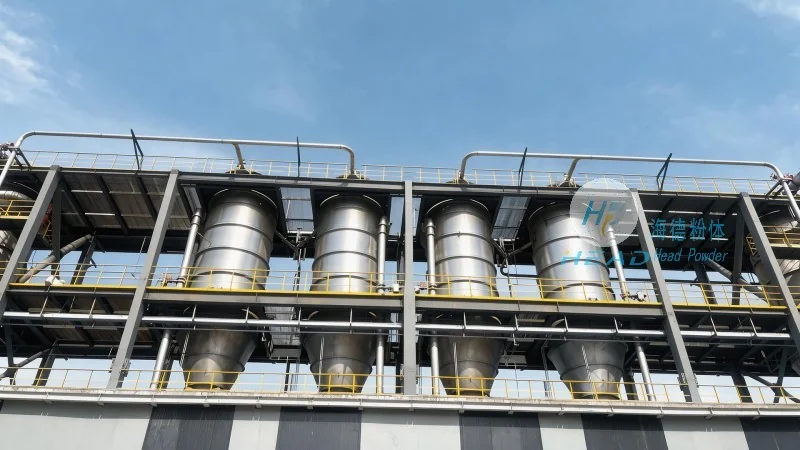
The application of phosphoric acid calcium hydrogen material pneumatic conveying systems brings numerous advantages to industrial settings. One of the primary benefits is the reduction in labor costs and operational time, as the system automates the material handling process. This automation allows for continuous operation, minimizing the need for manual intervention and reducing the risk of human error. Another advantage is the improved safety and hygiene in the workplace. By eliminating the need for manual handling of dusty or abrasive materials, the system reduces the risk of respiratory issues or skin irritation among workers. This is particularly important in the food and pharmaceutical industries, where product purity and worker safety are paramount. The system also contributes to better environmental management by reducing dust emissions and minimizing the need for additional storage or handling equipment. In terms of applications, phosphoric acid calcium hydrogen is commonly used in the production of fertilizers, animal feed supplements, and other industrial products. The pneumatic conveying system is ideal for these applications as it can handle the material's bulk properties and ensure a consistent supply to processing units. The system's ability to transport materials over long distances and through multiple stages of production makes it a versatile solution for various industrial processes.
In conclusion, the pneumatic conveying system for phosphoric acid calcium hydrogen material is a highly effective and efficient method for material handling. The working principle, which relies on air or gas to transport the material through a pipeline, offers several advantages including high efficiency, flexibility, and safety. The characteristics of the system, such as its ability to handle large volumes and maintain a clean environment, make it a preferred choice for industrial applications. As industries continue to seek more efficient and sustainable material handling solutions, the demand for pneumatic conveying systems is expected to grow. Shandong HeadPowder Engineering Co., Ltd. remains at the forefront of this technology, providing innovative and reliable solutions that meet the evolving needs of the industry. With its commitment to quality and customer satisfaction, HeadPowder is well-positioned to continue leading the way in material handling technology, ensuring that clients can achieve optimal performance and operational efficiency in their production processes.

 Shandong Headpowder Engineering Co., Ltd.
 156-6277-7102(Manager Zhang)
  0531-83386006
  Zhangqiu District, Jinan City, Shandong Province, China
telephone
WeChatconsult
top