With more than 10‑year industry experience, Shandong Headpowder delivers full‑service pneumatic‑conveying systems and blowers, undertaking nationwide turn‑key powder‑handling projects.
HeadPowder, a leading engineering company based in Shandong, China, specializes in the design and implementation of advanced polyurethane material handling systems. These systems are engineered to efficiently transport various materials, offering durability, flexibility, and cost-effectiveness compared to traditional metal or rubber alternatives.
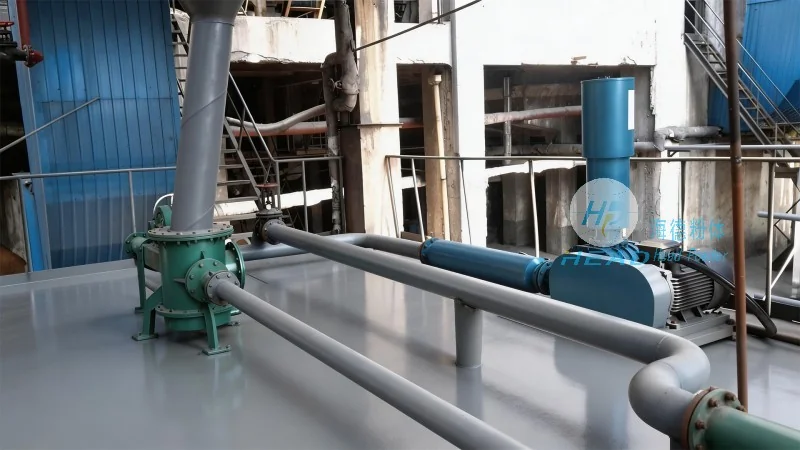
Polyurethane material handling systems typically consist of several key components that work in tandem to ensure smooth material transport. The primary elements include conveyor belts, rollers, idlers, and drive mechanisms. The polyurethane material, often in the form of belts or rollers, is chosen for its excellent abrasion resistance, impact strength, and chemical resistance, making it ideal for handling a wide range of materials, from powders and granules to bulk solids.
The operation of a polyurethane material handling system begins with the drive mechanism, which powers the conveyor belt or rollers. This mechanism can be electric, hydraulic, or mechanical, depending on the system's design and application requirements. The drive system transmits rotational force to the rollers or the belt, causing it to move continuously. As materials are placed on the moving surface, they are carried along the path of the conveyor, guided by the idlers and supported by the rollers. The polyurethane material's smooth surface reduces friction and wear, allowing for efficient material transfer with minimal energy consumption.
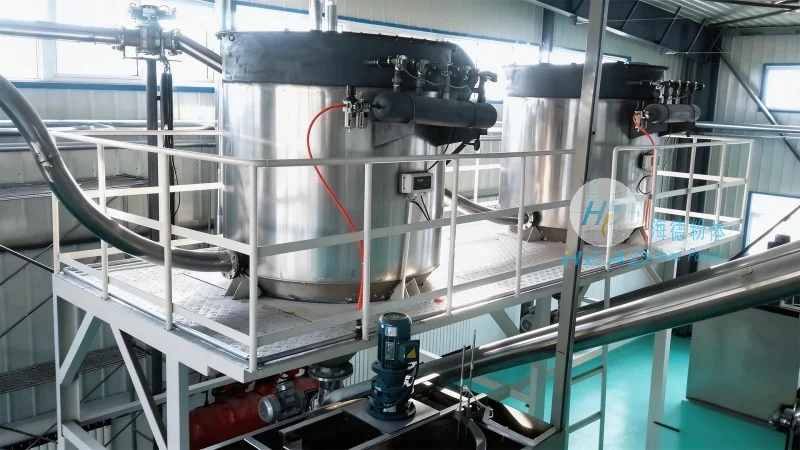
Compared to traditional metal or rubber components, polyurethane offers several advantages that enhance system performance and longevity. Its high abrasion resistance minimizes wear and tear from continuous material contact, reducing the need for frequent replacements. The material's flexibility allows it to conform to irregular surfaces or contours, improving load distribution and preventing material buildup. Additionally, polyurethane is resistant to a wide range of chemicals, oils, and solvents, making it suitable for environments where exposure to harsh substances is common. These properties contribute to lower maintenance costs and higher system reliability over time.
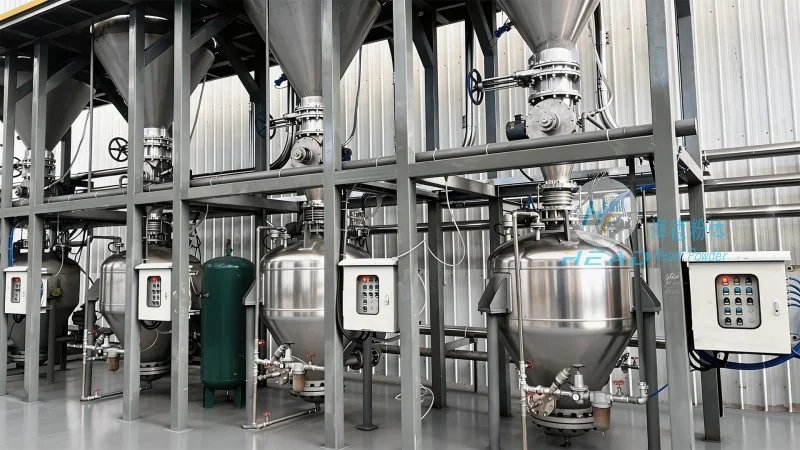
The operation process of a polyurethane material handling system involves several sequential steps that ensure efficient material transport. First, the system is activated by the drive mechanism, which starts the conveyor belt or rollers in motion. Next, materials are loaded onto the moving surface at the input point. As the material moves along the conveyor, it is guided by the idlers and supported by the rollers, maintaining a stable and consistent flow. At the output end, the material is discharged, completing the transport cycle. The system may include additional features such as inclines, declines, or curves, which are designed to handle changes in elevation or direction without compromising material integrity. Proper maintenance, including regular inspection of rollers, idlers, and the polyurethane surface, is essential to ensure the system operates efficiently and prolong its service life.
Polyurethane material handling systems are widely used across various industries, including manufacturing, mining, agriculture, and food processing. In manufacturing, they are used to transport raw materials and finished products in production lines, improving workflow efficiency. In mining, polyurethane conveyor belts are employed to handle abrasive minerals and ores, reducing equipment wear and increasing operational safety. In agriculture, these systems assist in the transport of grains, seeds, and other agricultural products, contributing to streamlined harvesting and processing. The versatility and durability of polyurethane make it a preferred choice for industries that require reliable and low-maintenance material transport solutions.

 Shandong Headpowder Engineering Co., Ltd.
 156-6277-7102(Manager Zhang)
  0531-83386006
  Zhangqiu District, Jinan City, Shandong Province, China
telephone
WeChatconsult
top